Whale Tufnol Rod High Strength Synthetic Resin Bonded Fabric for Wear Resistance, Electrical Insulation, Spacers & Mechanical Parts 10 to 100mm Dia


Price:
Sale price£70.59
 |  (Inc. VAT)

In stock, ready to ship

In stock, ready to ship

Our Clients

Description

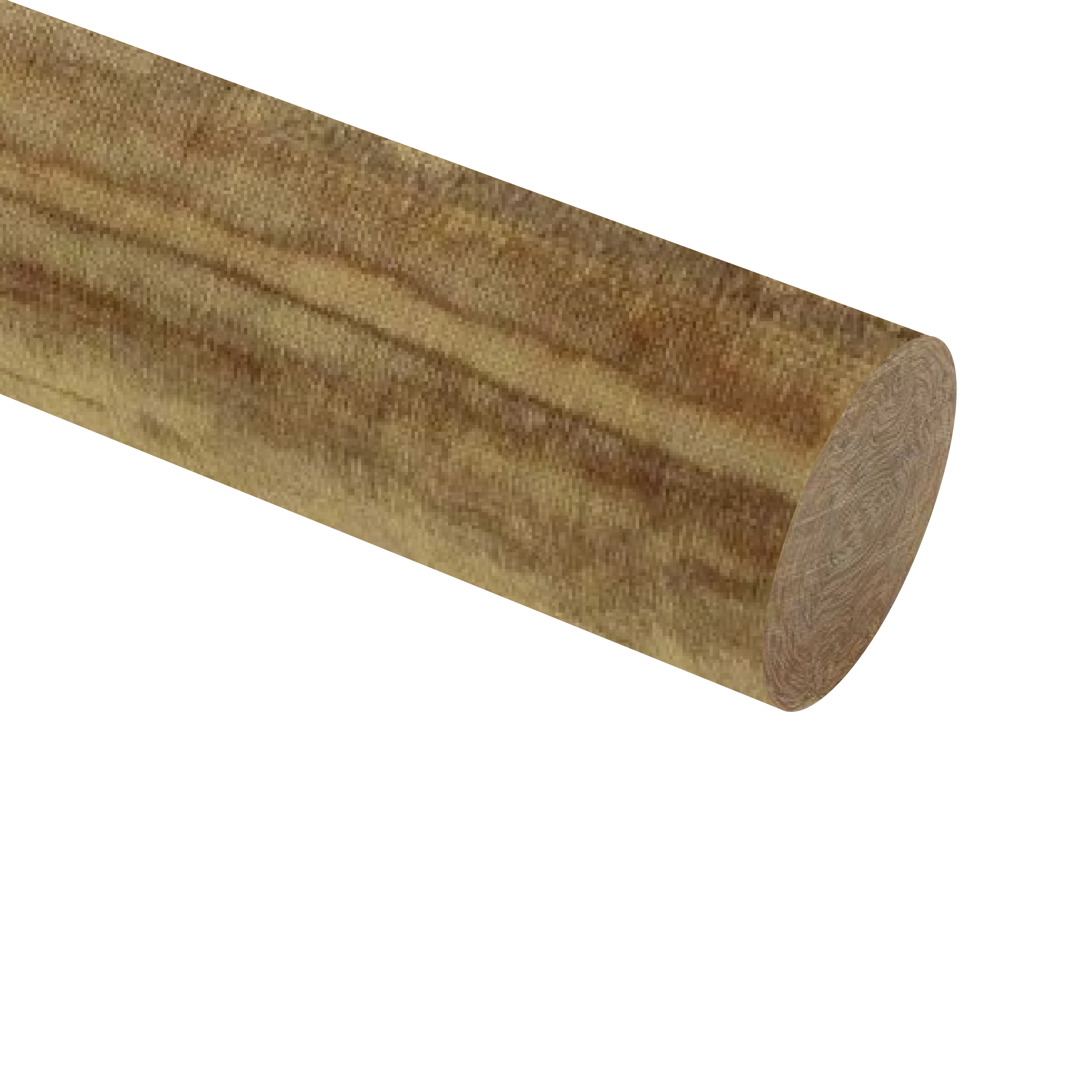
This high-strength synthetic resin bonded fabric rod is a proven engineering material designed for demanding mechanical, electrical and wear applications. Manufactured from layers of fabric impregnated with resin, it delivers an excellent balance of strength, dimensional stability and machinability for precision components.

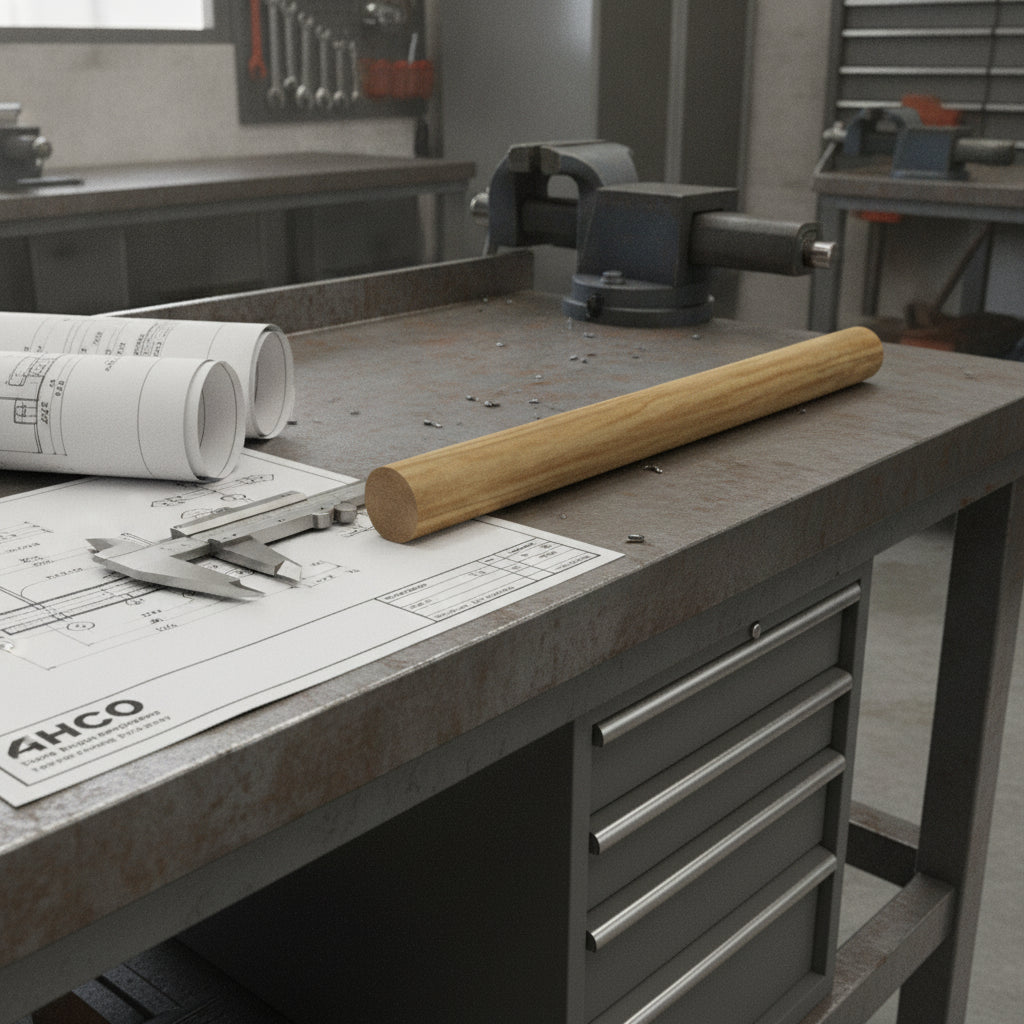
Suitable for turning, milling and drilling on standard engineering equipment, these rods are widely used to produce spacers, bushes, insulating components and general-purpose mechanical parts. Available in a choice of diameters from 10mm up to 100mm and standard lengths including 300mm, 600mm and 1220mm, they are ideal for maintenance workshops, fabrication shops and OEM production environments.

Product Features

  • Robust synthetic resin bonded fabric construction for high mechanical strength and durability.
  • Supplied in round rod form, ideal for turning and machining into spacers, bushes, rollers and custom parts.
  • Wide diameter range from 10mm to 100mm to suit light-duty through to heavy-duty components.
  • Multiple standard lengths available, including 300mm, 600mm and 1220mm, to minimise waste and cutting time.
  • Engineered for good wear resistance in sliding and bearing-type applications.
  • Provides reliable electrical insulation performance in many low to medium voltage applications.
  • Consistent, close-tolerance stock suitable for precision machining on conventional or CNC equipment.

Key Features and Benefits

  • High mechanical strength: Resin bonded fabric laminate offers excellent load-bearing capability, making it suitable for structural and load-carrying components.
  • Good wear and friction properties: Fabric reinforcement provides a tough, resilient bearing surface, extending service life in moving or sliding assemblies.
  • Electrical insulation: Non-metallic composition gives dependable insulation for terminals, spacers and barrier components in electrical equipment.
  • Easy to machine: Machines cleanly with standard metalworking tools, helping to reduce production time and tooling wear compared with some harder engineering plastics.
  • Dimensional stability: Maintains size and shape well under normal operating temperatures, supporting accurate, repeatable manufacture of tight-tolerance parts.
  • Versatile stock format: Range of diameters and lengths allows efficient nesting of parts, reducing offcuts and material waste.

Specifications

Specification Detail
Material type Synthetic resin bonded fabric (fabric laminate rod)
Available diameters From 10mm up to 100mm (including popular sizes such as 10mm, 12mm and larger options)
Standard lengths 300mm, 600mm and 1220mm (plus additional size combinations)
Typical applications Wear parts, spacers, bushes, electrical insulating components, mechanical linkages
Machining compatibility Suitable for turning, milling, drilling and general machining with standard engineering tools
Operating environment General industrial service where good mechanical strength and insulation are required

Applications and Ideal Uses

This synthetic resin bonded fabric rod is ideal wherever a strong, dimensionally stable, non-metallic material is required for mechanical or electrical service.

  • Manufacture of wear-resistant spacers, bushes, rollers and gears in mechanical assemblies.
  • Electrical insulating components such as standoffs, barriers, supports and terminal spacers.
  • Custom-machined parts for maintenance, repair and overhaul in workshops and service centres.
  • Non-sparking, non-metallic components for use around sensitive equipment or electrical installations.
  • General engineering prototypes and small-batch parts where easy machining and reliability are important.

Frequently Asked Questions

Can this resin bonded fabric rod be machined with standard workshop tools?

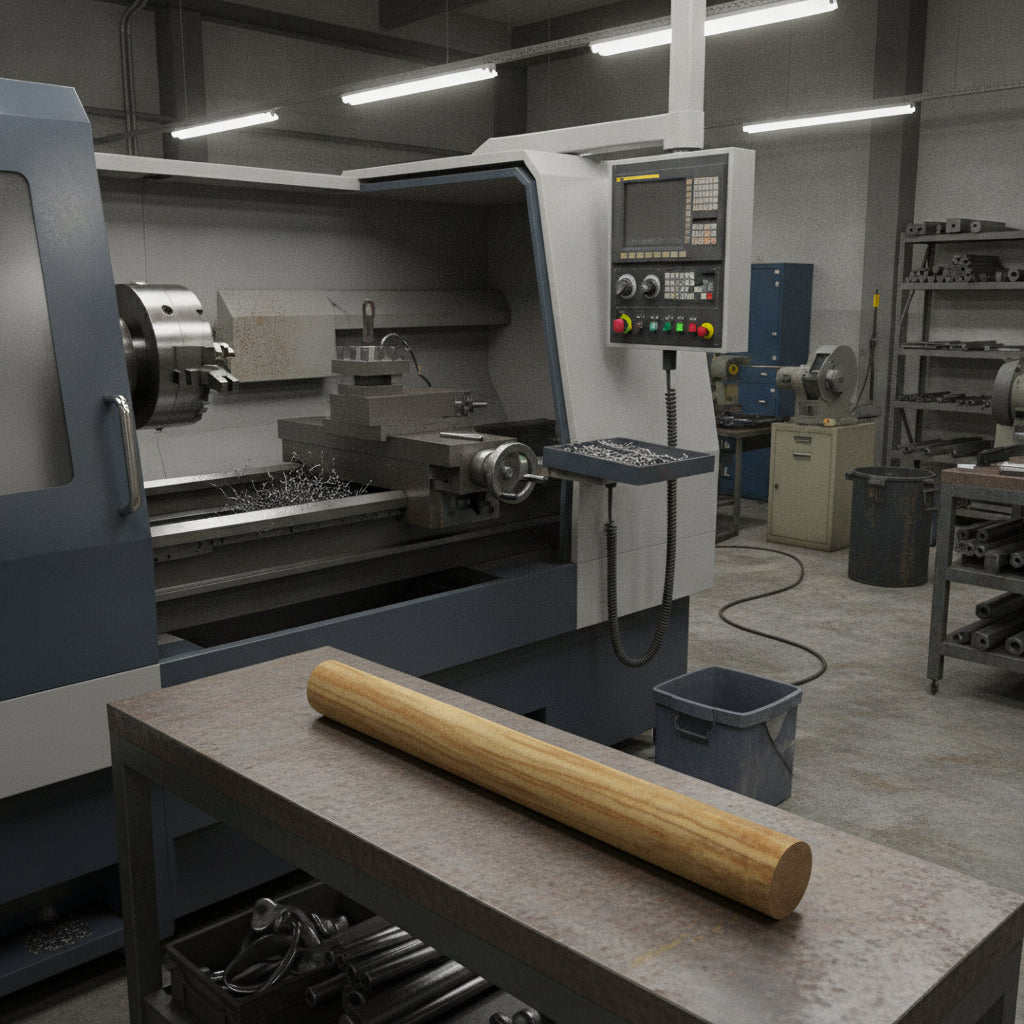
Yes, the rod is designed to be machined using conventional metalworking equipment such as lathes, mills and drills. Sharp tooling and appropriate cutting speeds are recommended to achieve the best surface finish and dimensional accuracy.

Is this material suitable for electrical insulation applications?

The synthetic resin bonded fabric construction provides good electrical insulating properties for many low to medium voltage applications, making it suitable for spacers, standoffs and similar components. Always check your design and any applicable standards to ensure suitability for your specific system voltage and environment.

How do I choose the right diameter and length for my project?

Select a diameter that allows you to machine your finished component while leaving adequate stock for facing and turning to size. Choose the closest standard length (300mm, 600mm or 1220mm and other available options) that allows you to nest all required parts efficiently, helping to minimise material waste.

You may also like

Recently viewed