


Description
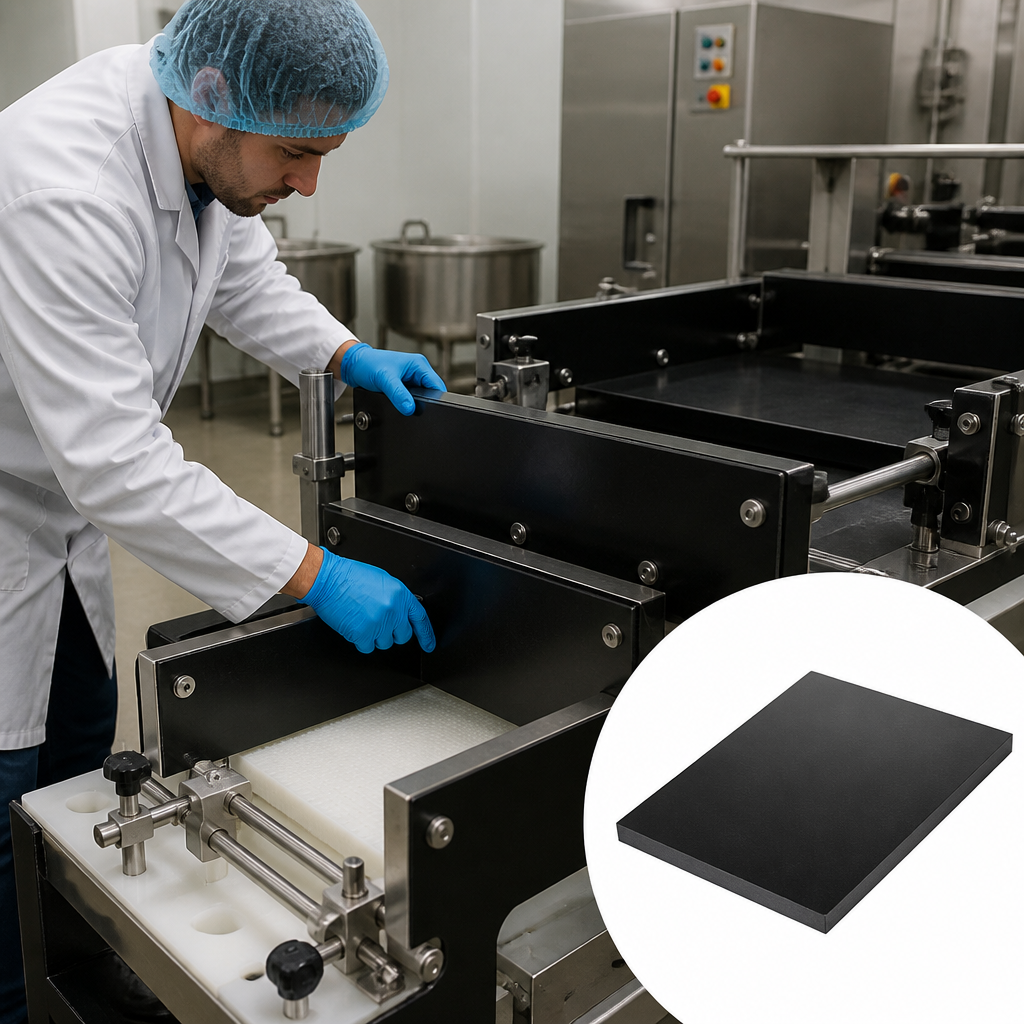
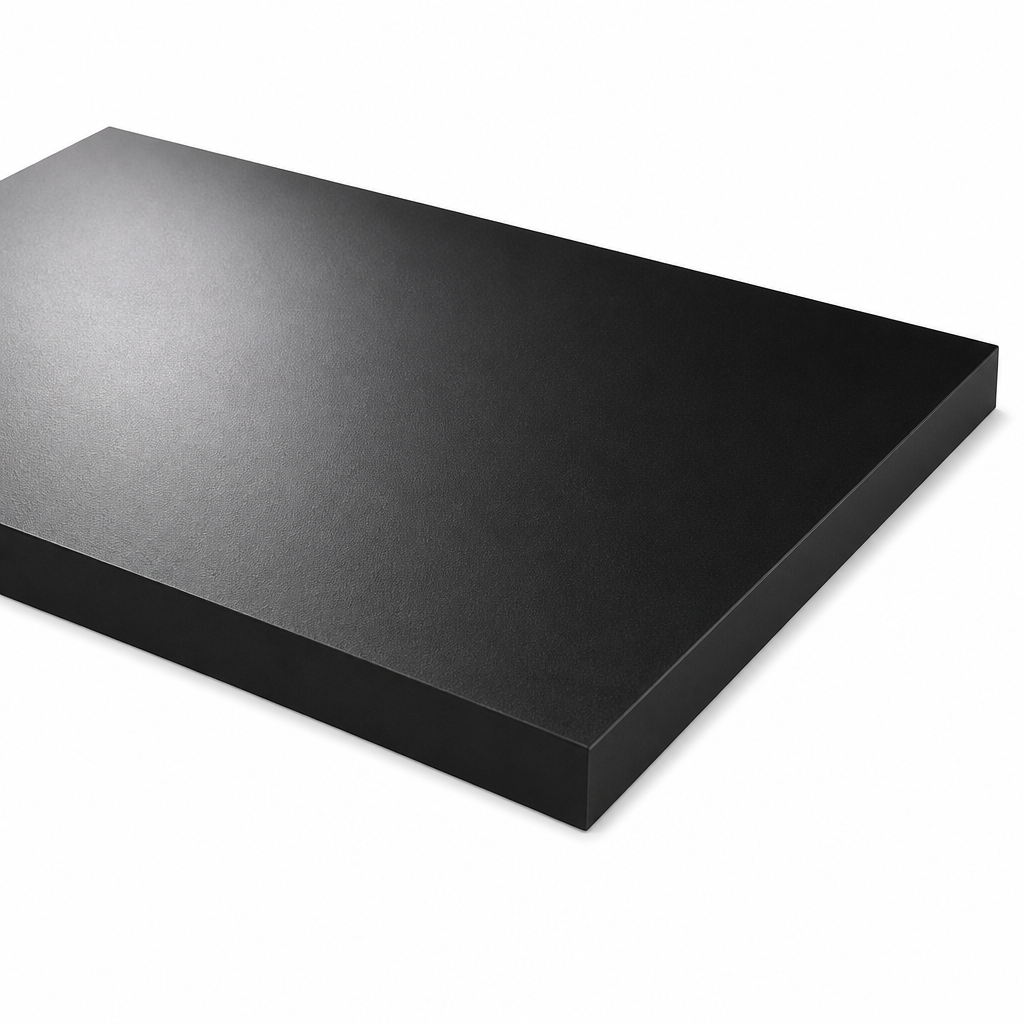
High Density Polyethylene (HDPE) Sheet is a versatile engineering plastic known for its excellent sliding properties and food compliance. Ideal for use in food production and kitchen environments.
Material Properties
High Density Polyethylene (HDPE) is a lightweight material with a specific gravity of 0.96. It exhibits excellent sliding properties, good chemical resistance, low moisture absorption, and high impact strength across a temperature range of -50°C to +80°C.
Applications
HDPE Sheet is commonly used in various applications including pumps, tank construction, gaskets, medical applications, and components for the food industry. Its versatility makes it suitable for both industrial and domestic environments.
Advantages of HDPE Sheet
The HDPE Sheet is known for its low friction and outstanding wear resistance, making it an excellent choice for use as wear strips on conveyors and production lines. It is easy to machine and can be processed using traditional methods.
Considerations
While HDPE Sheet is economical and abrasion-resistant, it may not be suitable for environments requiring high impact resistance. It is softer compared to other engineering plastics like Nylon or Acetal.
Specifications
- Material: High Density Polyethylene (HDPE)
- Specific Gravity: 0.96
- Temperature Range: -50°C to +80°C
- Food compliant
- Low moisture absorption
- Good chemical resistance
- High impact strength
Benefits
- Safe for food contact
- Long-lasting wear resistance
- Easy to machine for various applications
- Kind to knife blades, keeping them sharper for longer
Use Cases
- Pumps
- Tank construction
- Gaskets
- Medical applications
- Components for the food industry
FAQ
Q: What is HDPE Sheet?
A: HDPE Sheet is a versatile engineering plastic known for its excellent sliding properties and food compliance, commonly used in food production and kitchen environments.
Q: Is HDPE Sheet suitable for high-impact applications?
A: HDPE Sheet may not be suitable for environments requiring high impact resistance as it is softer compared to other engineering plastics.
All sizes & prices
63 sizes · prices include VAT · tap a price to select that size
Need a size that isn't listed? We cut to order. Request a quote or call 01744 520110.
Supplying UK engineers, manufacturers and public bodies


