


Cut to Size Calculator
Minimum 100 x 100mm · Maximum 3050 x 2050mm
Cutting is included in the price. Delivery is calculated at checkout. For shapes, countersinks, slots or bulk quantities, request a quote or call 01744 520110.
Description
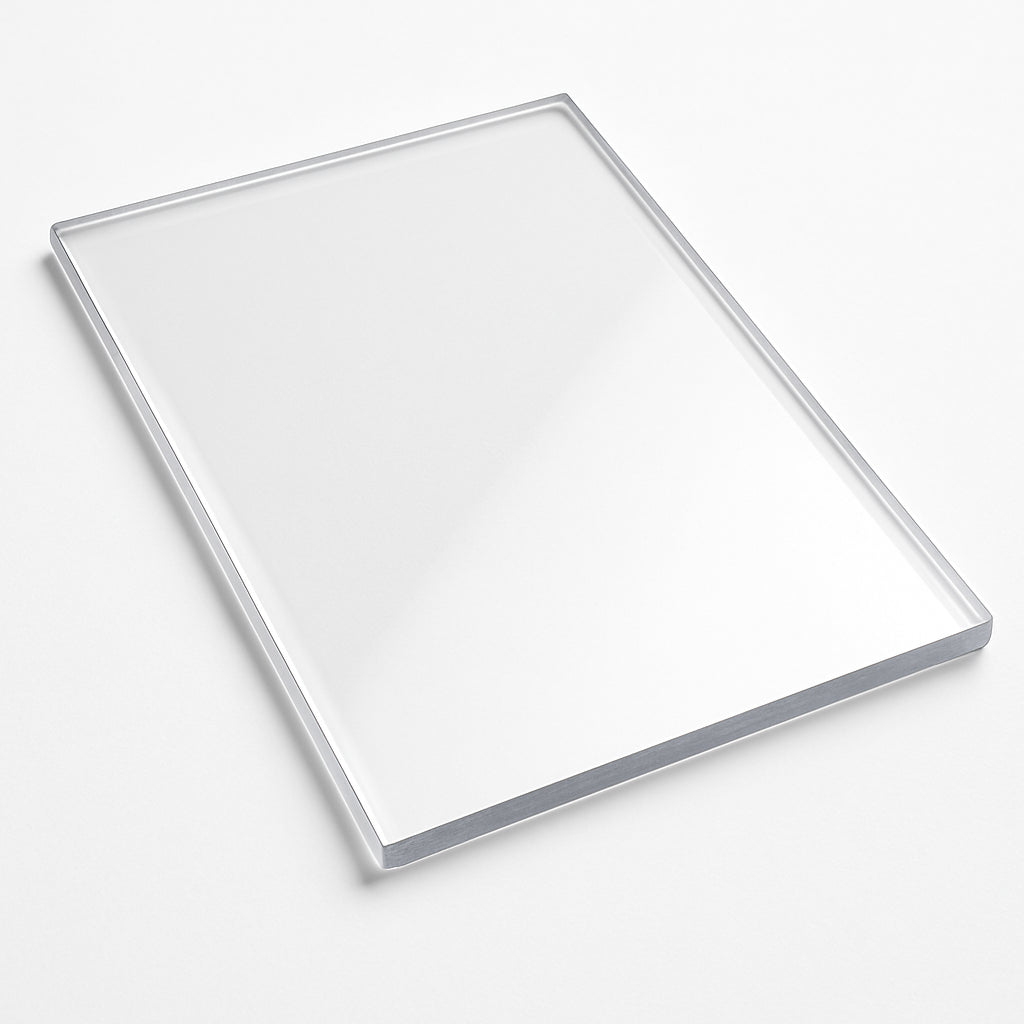
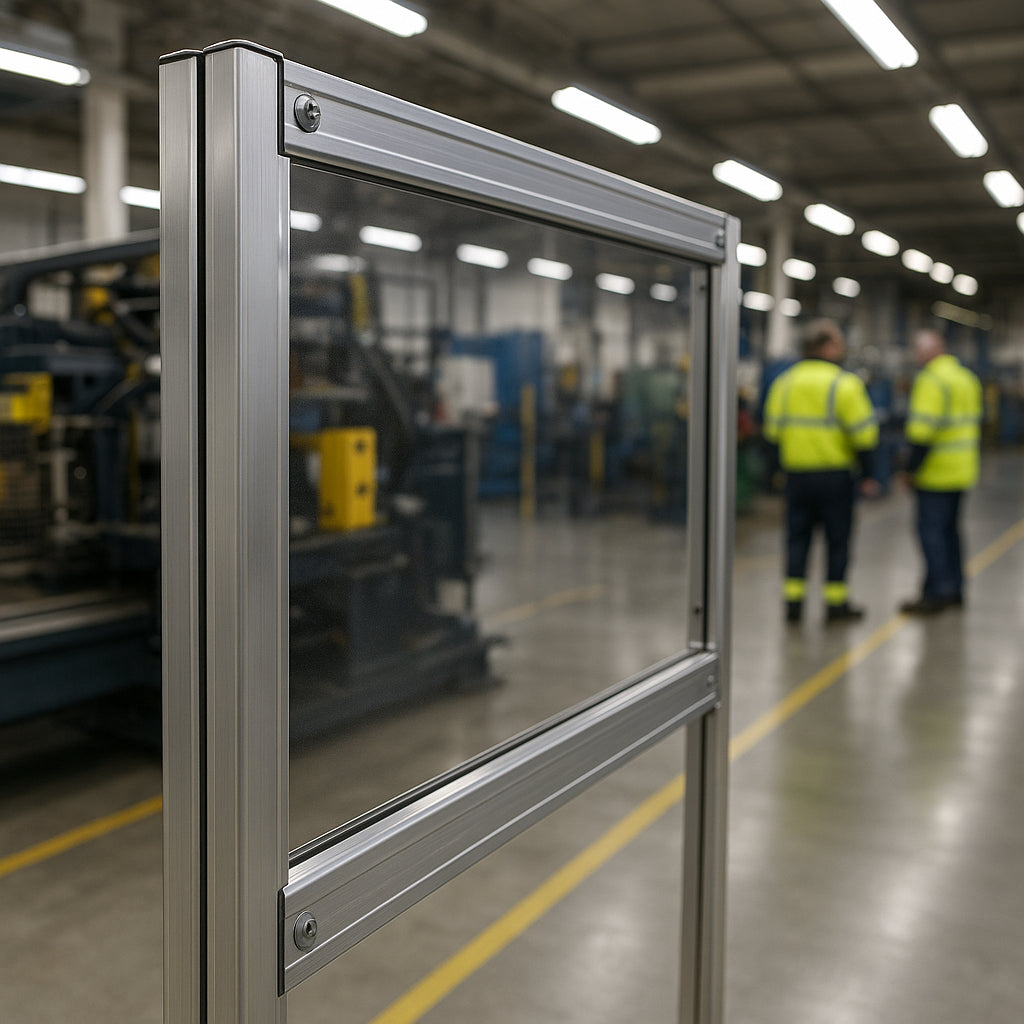
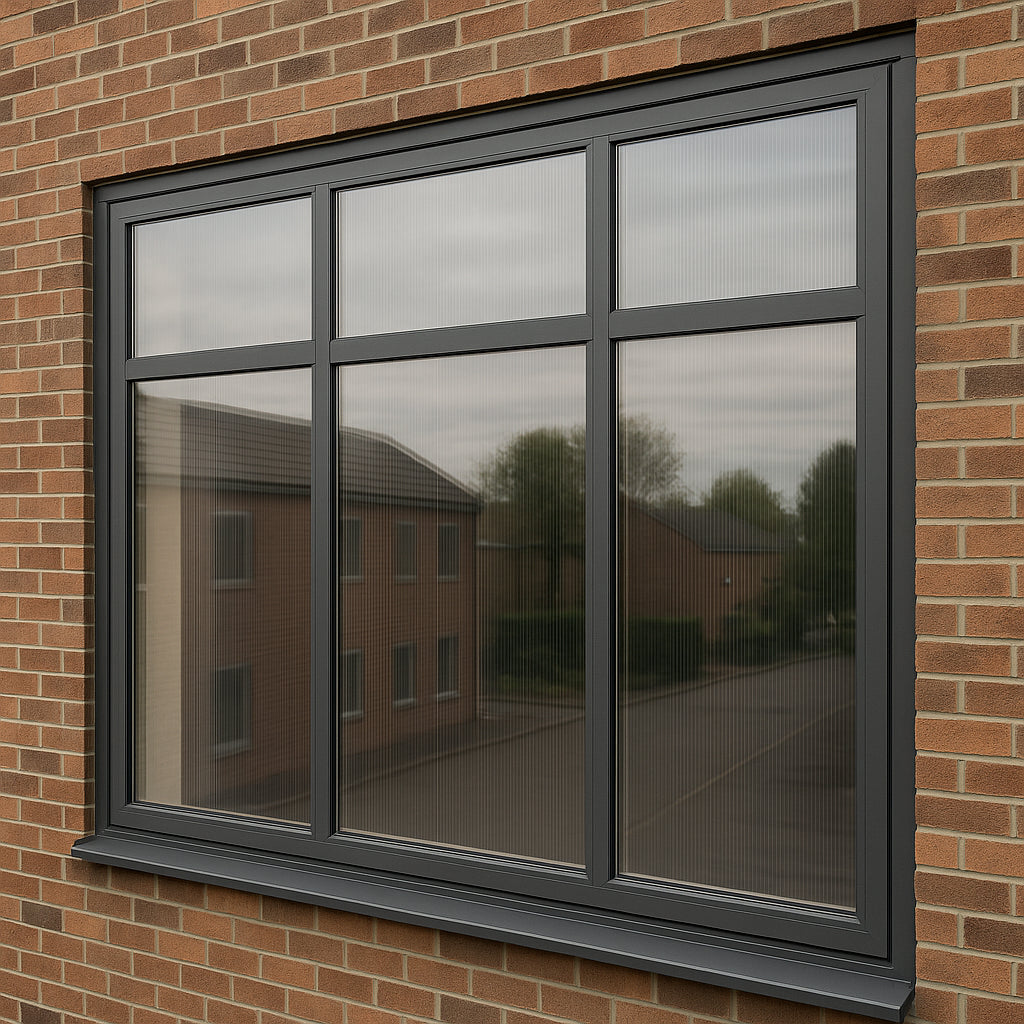
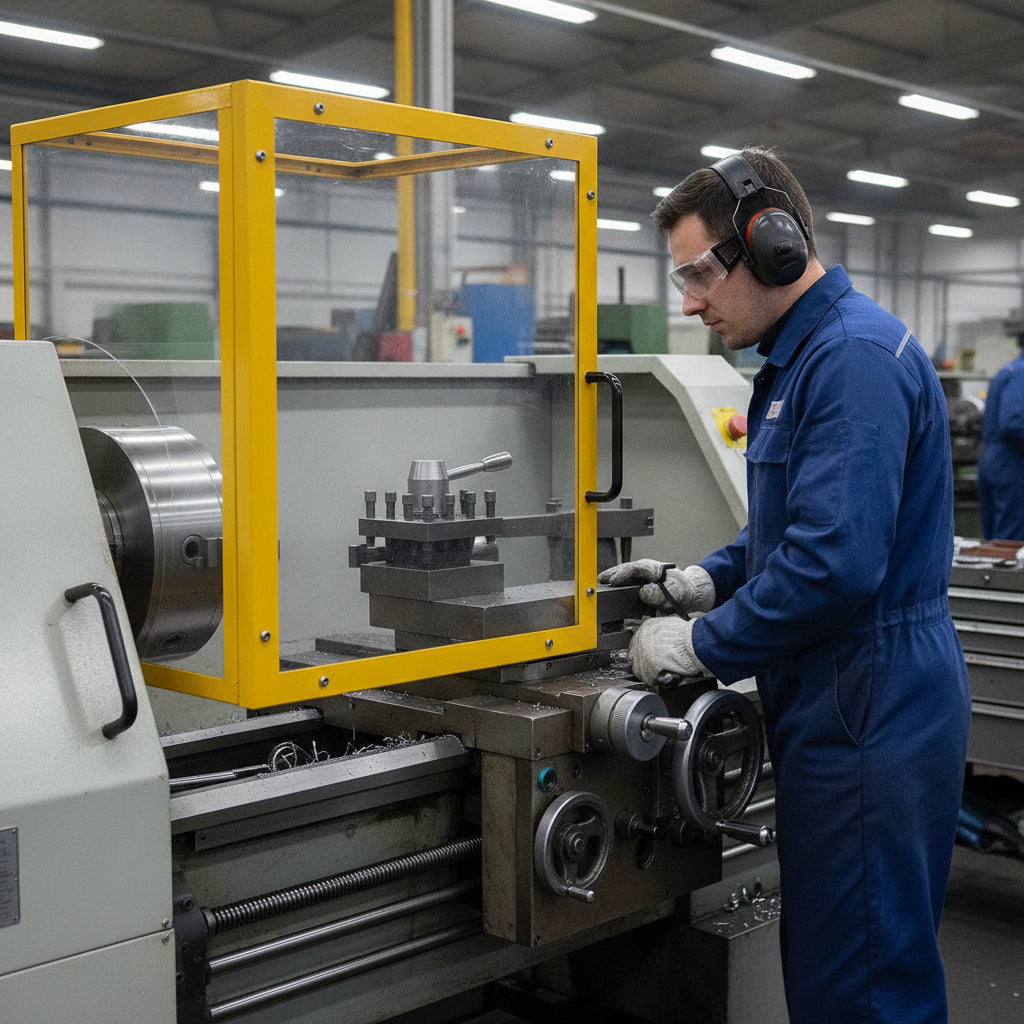
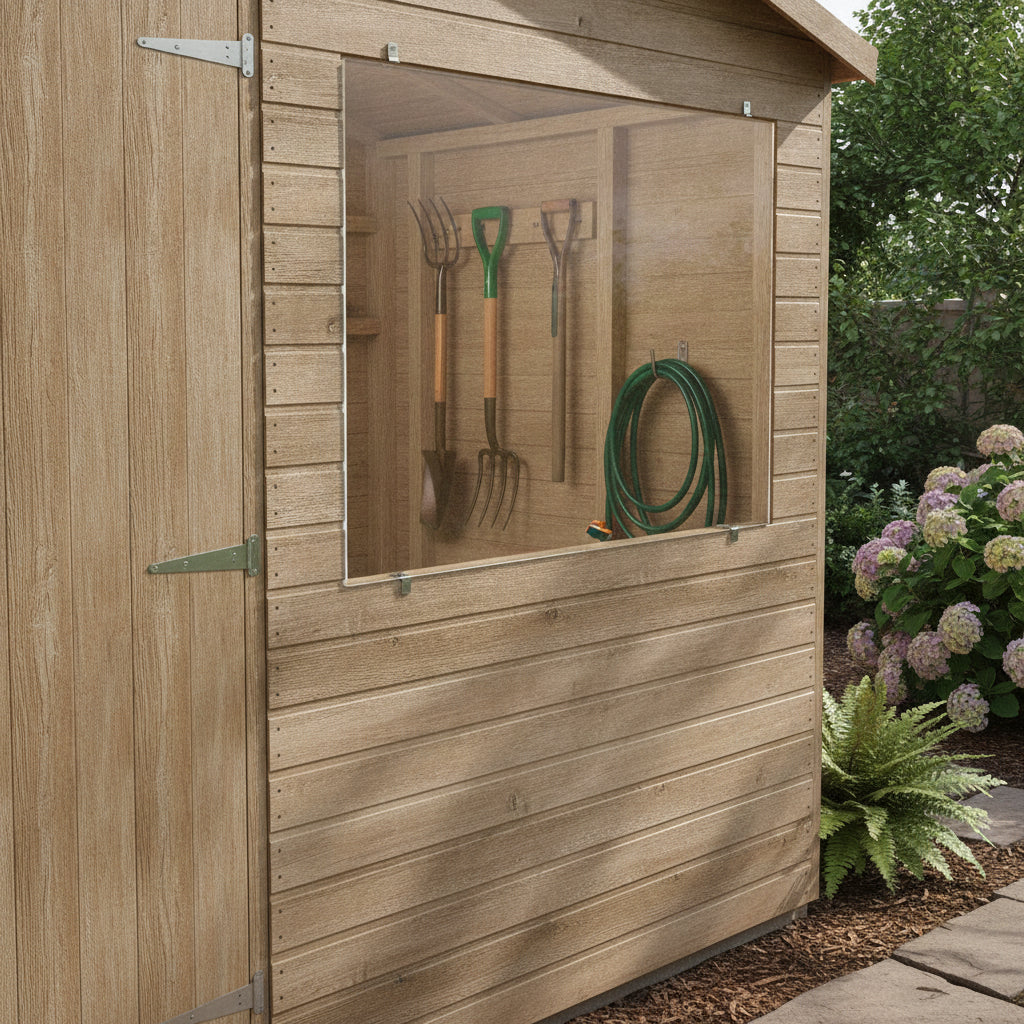
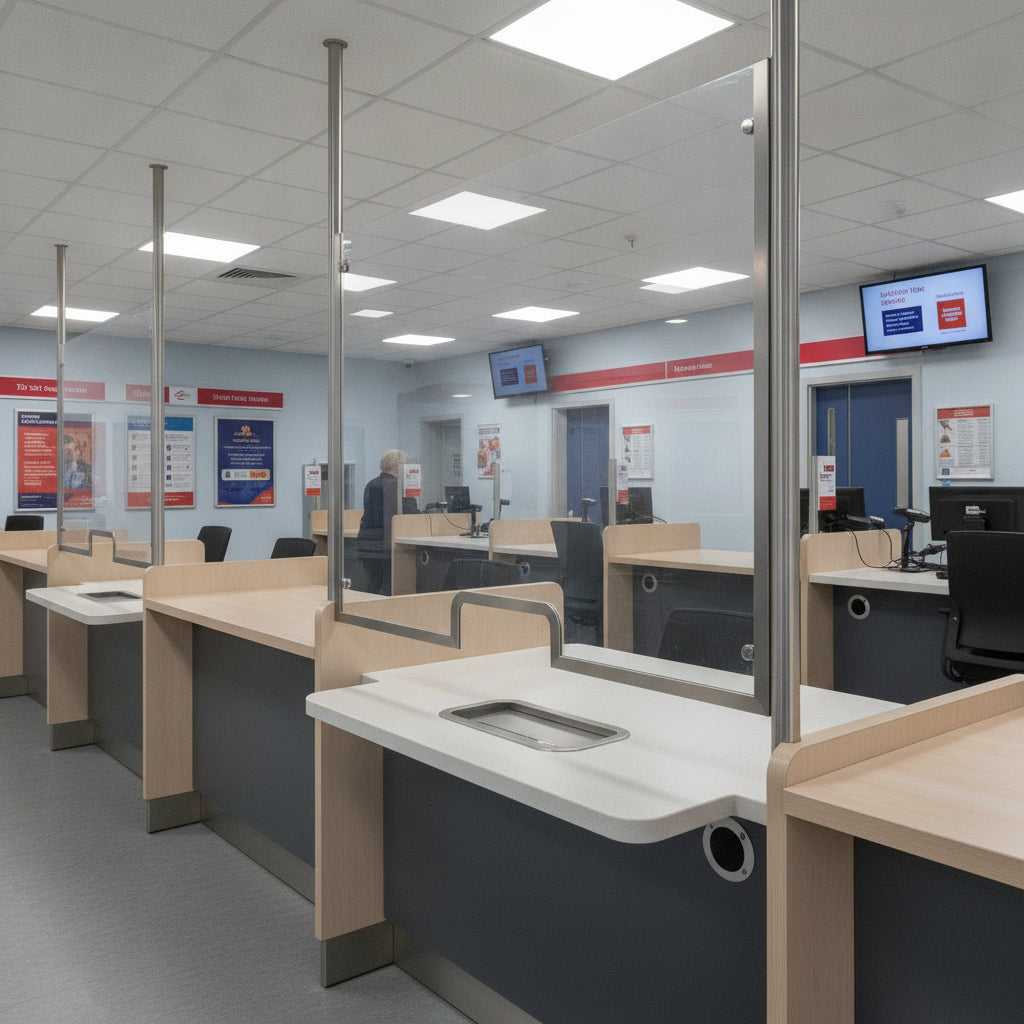
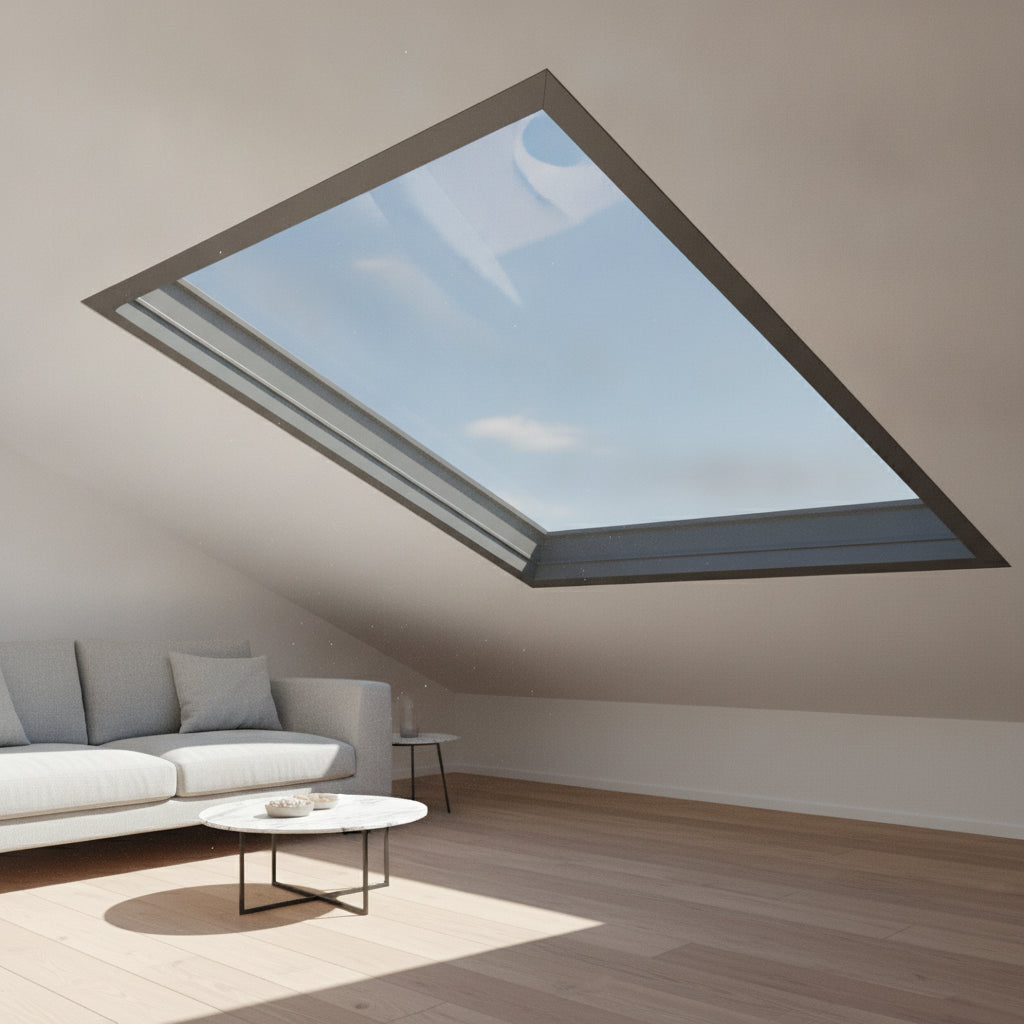
Clear solid polycarbonate sheet – the tough, transparent alternative to glass and acrylic. Choose from 17 ready-cut sizes, from a 250 x 250mm panel up to a full 3050 x 2050mm sheet, in eight thicknesses from 2mm to 12mm. Ideal for machine guards, safety screens, glazing, protective covers and displays.
- Exceptionally tough – far higher impact strength than glass or acrylic, so it is the standard choice where breakage is a safety or security risk.
- Optically clear – high light transmission, typically up to around 88–90% in thinner gauges.
- Half the weight of glass – easier to handle, fit and support.
- Easy to work – cut, drill, route and cold-curve with standard workshop tools.
- Protected in transit – supplied with protective film on both faces.
Sizes and thicknesses
Every size below is available in 2mm, 3mm, 4mm, 5mm, 6mm, 8mm, 10mm and 12mm. Prices are per single sheet and include VAT.
| Format | Sizes (mm) |
|---|---|
| Small panels | 250 x 250 · 300 x 300 · 500 x 250 · 500 x 500 · 600 x 300 · 600 x 600 |
| Medium panels | 1000 x 500 · 1000 x 1000 · 1200 x 300 · 1200 x 600 · 1200 x 1200 · 1525 x 1025 |
| Large and full sheets | 2000 x 1000 · 2050 x 1250 · 2440 x 1220 (8 x 4ft) · 2050 x 1525 · 3050 x 2050 |
Need a size that isn't listed? Use the cut-to-size calculator above, or request a quote for custom shapes and bulk quantities.
Choosing a thickness
| Thickness | Typical uses | Approx. weight |
|---|---|---|
| 2mm – 3mm | Light glazing, picture frames, display covers, signage, craft and model work | 2.4 – 3.6 kg/m² |
| 4mm – 5mm | Shed and outbuilding windows, secondary glazing, sneeze guards, light machine guards – the most popular all-round choice | 4.8 – 6.0 kg/m² |
| 6mm – 8mm | Machine guards, security and counter screens, door and vandal-resistant glazing | 7.2 – 9.6 kg/m² |
| 10mm – 12mm | Heavy-duty guarding, enclosures, industrial safety barriers and high-impact areas | 12.0 – 14.4 kg/m² |
Specifications
| Material | Solid polycarbonate (PC), clear, standard grade |
|---|---|
| Thicknesses | 2, 3, 4, 5, 6, 8, 10 and 12mm (nominal) |
| Density | Approx. 1.2 g/cm³ |
| Light transmission | Typically up to ~88–90% in thinner gauges, reducing slightly with thickness |
| Service temperature | Typically -40°C to around +115°C |
| Thermal expansion | Approx. 0.065–0.07mm per metre per °C – allow for movement when fixing |
| Surface | Protective film on both faces |
| Tolerances | Nominal dimensions; contact us to confirm tolerances for critical parts |
Indoor and outdoor use
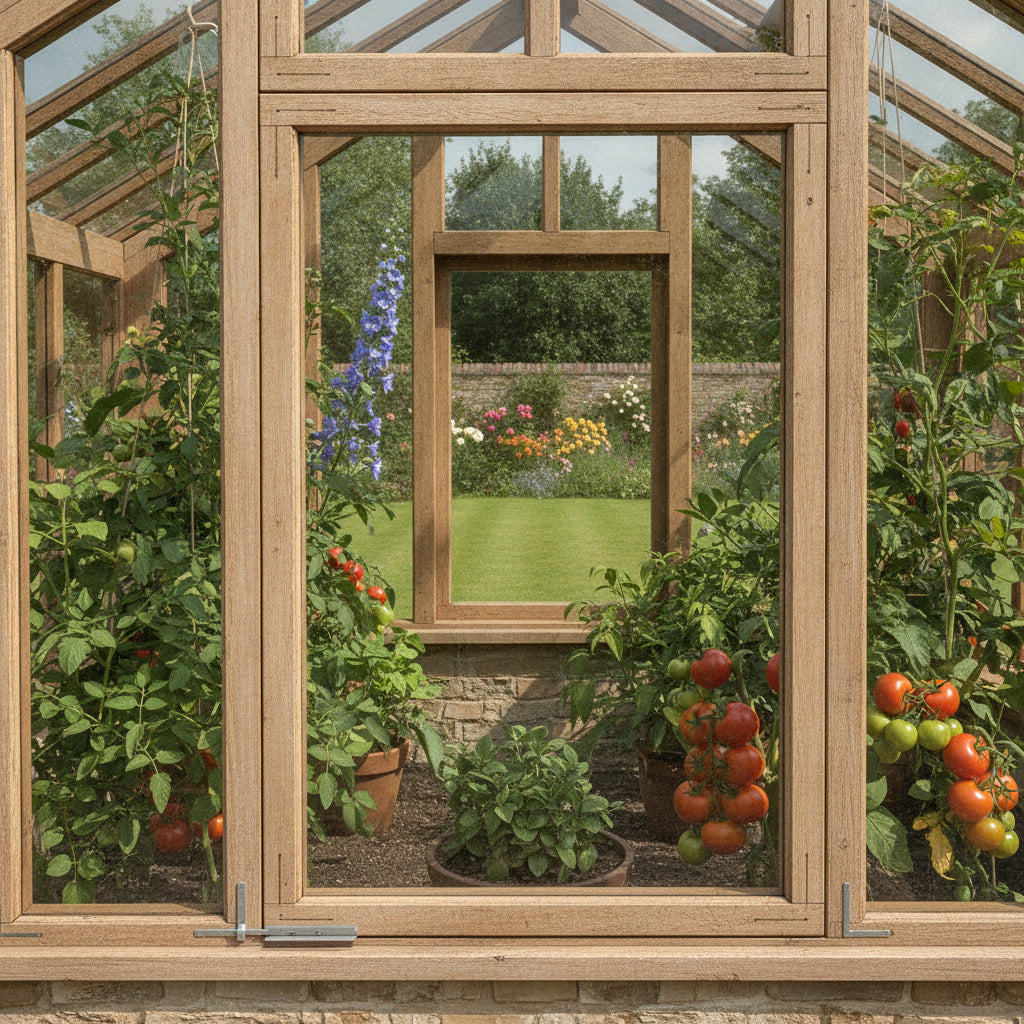
This is a standard clear grade. It is ideal indoors and for sheltered or short-term outdoor use. For long-term exposure to direct sunlight – rooflights, canopies or greenhouses – a UV-protected grade is recommended to prevent yellowing. Contact us for UV-protected and scratch-resistant (hard-coated) grades.
Cutting, drilling and fixing
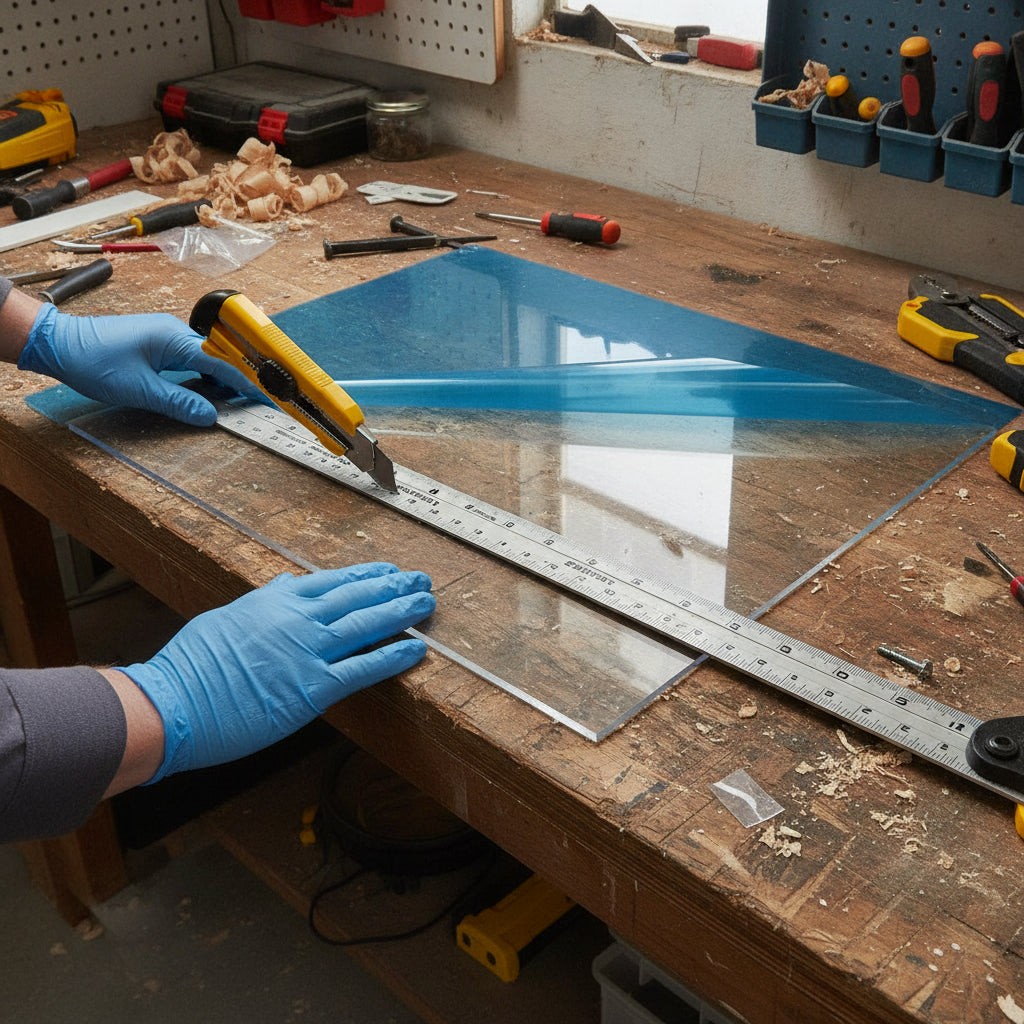
- Cutting: 2–3mm can be scored and snapped or cut with fine-tooth tools. Cut thicker sheet with a fine-tooth circular saw or jigsaw, supporting the sheet close to the cut. Keep the protective film on while cutting.
- Drilling: Use a sharp HSS bit at low to moderate speed with light pressure and a backing board. Keep holes at least twice the hole diameter from the edge.
- Fixing: Polycarbonate expands with heat – drill fixing holes oversize, use washers or glazing tape, and do not over-tighten screws.
- Bending: Thinner gauges can be cold-curved; ask us about minimum bend radii for your thickness.
- Cleaning: Mild soapy water and a soft cloth only. Never use solvents, abrasive cleaners or dry cloths.
Frequently asked questions
Is the price per sheet?
Yes. Each price is for one sheet of the size and thickness selected, including VAT.
Polycarbonate or acrylic – which should I choose?
Choose polycarbonate where strength and impact resistance matter – guards, screens, glazing in busy or exposed areas. Acrylic is slightly clearer and more scratch resistant, so it suits displays and signs where impact is unlikely.
Can I order a custom size?
Yes – use the cut-to-size calculator above, or request a quote for shapes, holes, radiused corners or bulk quantities.
How is it delivered?
Sheets are packed flat with protective film on both faces. Delivery charges are shown at checkout; large sheets may travel by pallet. See our delivery policy and returns policy.
Need advice on the right thickness or grade? Call our UK team on 01744 520110.
Compare related options: Polycarbonate Sheets · Clear Plastics for Glazing, Guards & Displays.