



Our Clients
Description
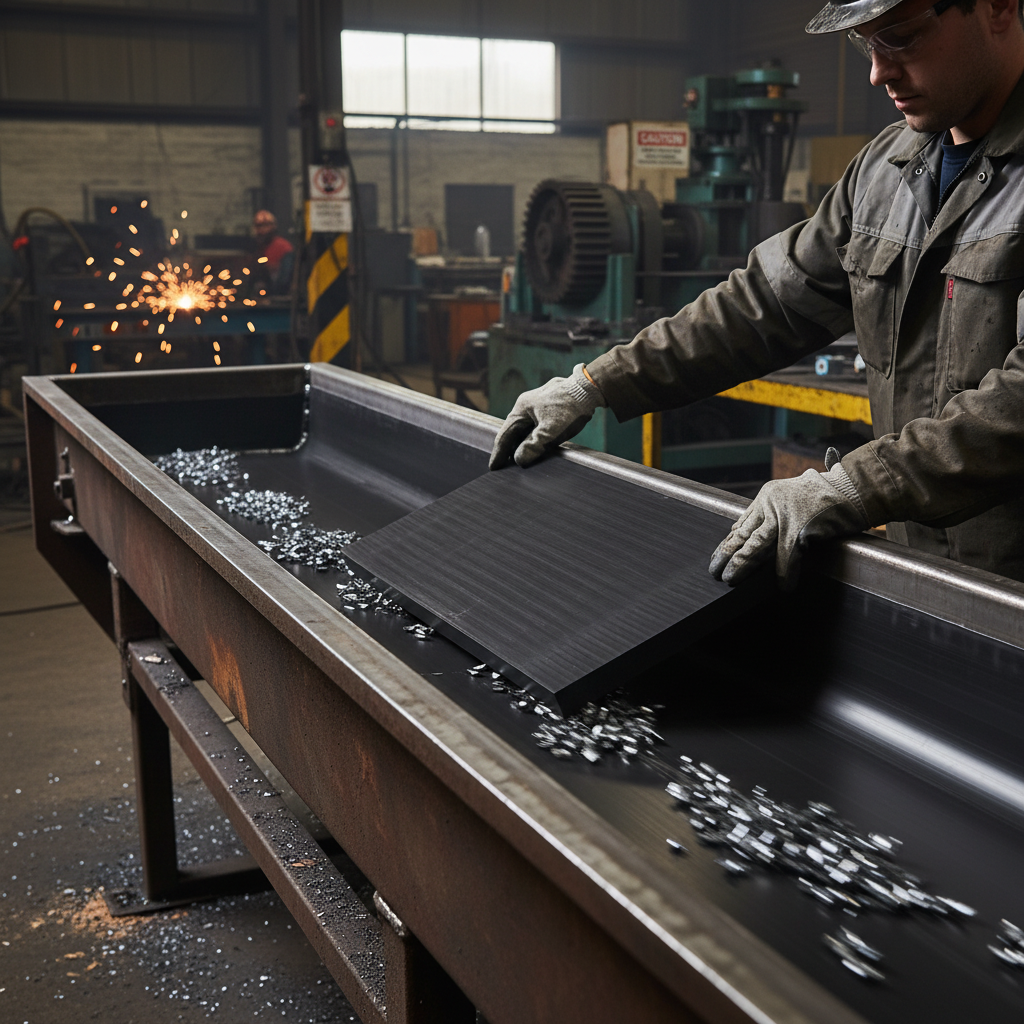
This premium UPVC extruded black sheet is a robust, high-performance engineering plastic designed for demanding industrial and fabrication environments. Offering excellent chemical resistance and inherent flame-retardant properties, it provides a reliable solution wherever durability, safety and dimensional stability are essential.
Available in a range of thicknesses from 1 mm up to heavy-duty options, each sheet is supplied in a standard 2000 mm x 1000 mm format, making it easy to machine, cut, and fabricate for guards, panels, cladding and ducting. Ideal for chemical processing plants, electrical enclosures, laboratory fit-outs and general engineering applications.
Product Features
- Available thicknesses from 1 mm, 1.5 mm, 2 mm, 3 mm, 4 mm and a further range of heavier gauges to suit light to heavy-duty use.
- Standard sheet size of 2000 mm length for efficient cutting, routing and panel layout.
- Generous 1000 mm sheet width suitable for panels, guards, partitions and cladding projects.
- Manufactured from rigid UPVC for excellent dimensional stability and mechanical strength.
- Black extruded finish for improved light exclusion and a smart, professional appearance.
- High resistance to many chemicals, acids and alkalis, ideal for corrosive environments.
- Inherent flame-retardant properties to support compliance with safety requirements in sensitive areas.
Key Features and Benefits
- Excellent chemical resistance helps protect structures and equipment in process, plating and wash-down areas.
- Flame-retardant behaviour enhances fire safety in enclosed spaces such as plant rooms and switchgear cabinets.
- Rigid, stable sheet minimises warping and distortion, ensuring accurate fabrication and a long service life.
- Black colour reduces light transmission, helpful for concealing wiring, protecting light-sensitive contents and improving aesthetics.
- Good machinability allows easy cutting, drilling and forming with standard workshop tools, reducing fabrication time.
- Multiple thickness options enable cost-effective selection for light covers through to structural panels.
Specifications
| Specification | Detail |
|---|---|
| Material | Rigid extruded UPVC (unplasticised polyvinyl chloride) |
| Colour | Black |
| Available thicknesses (mm) | 1, 1.5, 2, 3, 4 mm plus an extended range of thicker options |
| Sheet length (mm) | 2000 mm |
| Sheet width (mm) | 1000 mm |
| Key properties | Chemical resistant, flame-retardant, rigid, good dimensional stability |
Applications and Ideal Uses
This UPVC extruded black sheet is suitable for a wide variety of engineering, industrial and fabrication tasks where a tough, chemically resistant and fire-conscious material is required.
- Chemical process plant cladding, splash guards and bund walls.
- Electrical and control panel backs, covers and equipment enclosures.
- Laboratory bench upstands, partitions and service duct covers.
- Machine guards, safety screens and protective panels in workshops.
- General industrial lining, wall protection and fabrication of custom components.
Frequently Asked Questions
Can this UPVC sheet be cut and drilled with standard workshop tools?
Yes, the sheet can be cut, drilled and machined using common tools such as circular saws with fine-tooth blades, jigsaws and drills. Support the sheet properly and use appropriate speeds and feeds to achieve a clean edge and minimise heat build-up.
Is this black UPVC sheet suitable for outdoor use?
The sheet offers good durability and chemical resistance, but long-term outdoor exposure may cause some colour change and surface ageing. For critical external applications, additional UV protection or a material specifically designed for outdoor use may be advisable.
How do I choose the right thickness of UPVC sheet for my application?
Thinner sheets (around 1–2 mm) are generally suitable for light covers, lining and non-structural panels, while medium thicknesses (3–4 mm) offer greater rigidity for guards and cladding. Heavier gauges from the extended range are recommended where increased stiffness, impact resistance or larger unsupported spans are required. Always consider load, span and fixing method when selecting thickness.