



Our Clients
Description
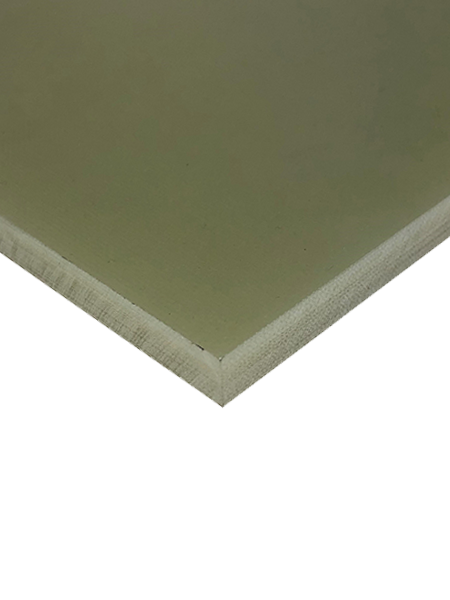
These phenolic laminate 10G/40 plastic sheets provide a strong, dimensionally stable laminate material suitable for demanding mechanical and electrical applications. Manufactured to close tolerances and supplied in a useful range of standard panel sizes, they are ideal for precision machining into components, jigs, fixtures and insulating parts.
Available in thicknesses from 1.6mm up to 3mm and in multiple sheet sizes, including 300mm x 300mm, 600mm x 300mm, 1200mm x 300mm, 600mm x 600mm and 1200mm x 600mm, these sheets are widely used in workshops, fabrication facilities and maintenance departments where reliable performance and clean, accurate cutting are essential.
Product Features
- Material: phenolic laminate 10G/40 plastic laminate, designed for mechanical and electrical insulation applications.
- Thickness range: Offered from 1.6mm to 3mm to suit light to medium-duty structural and insulating requirements.
- Standard sizes: Common formats include 300mm x 300mm, 600mm x 300mm, 1200mm x 300mm, 600mm x 600mm and 1200mm x 600mm, plus additional size options for flexible cutting and nesting.
- Good machinability: Can be cut, drilled and machined using standard workshop tools for precise, repeatable components.
- Dimensional stability: Maintains thickness and flatness under normal service conditions for consistent performance.
- Uniform appearance: Supplied as flat, solid sheets with a consistent surface suited to marking, layout and subsequent finishing.
- Versatile substrate: Suitable for use as panels, spacers, covers, guards and backing plates in a wide variety of assemblies.
Key Features and Benefits
- Reliable performance in service, helping to reduce downtime and replacement frequency compared with less robust sheet materials.
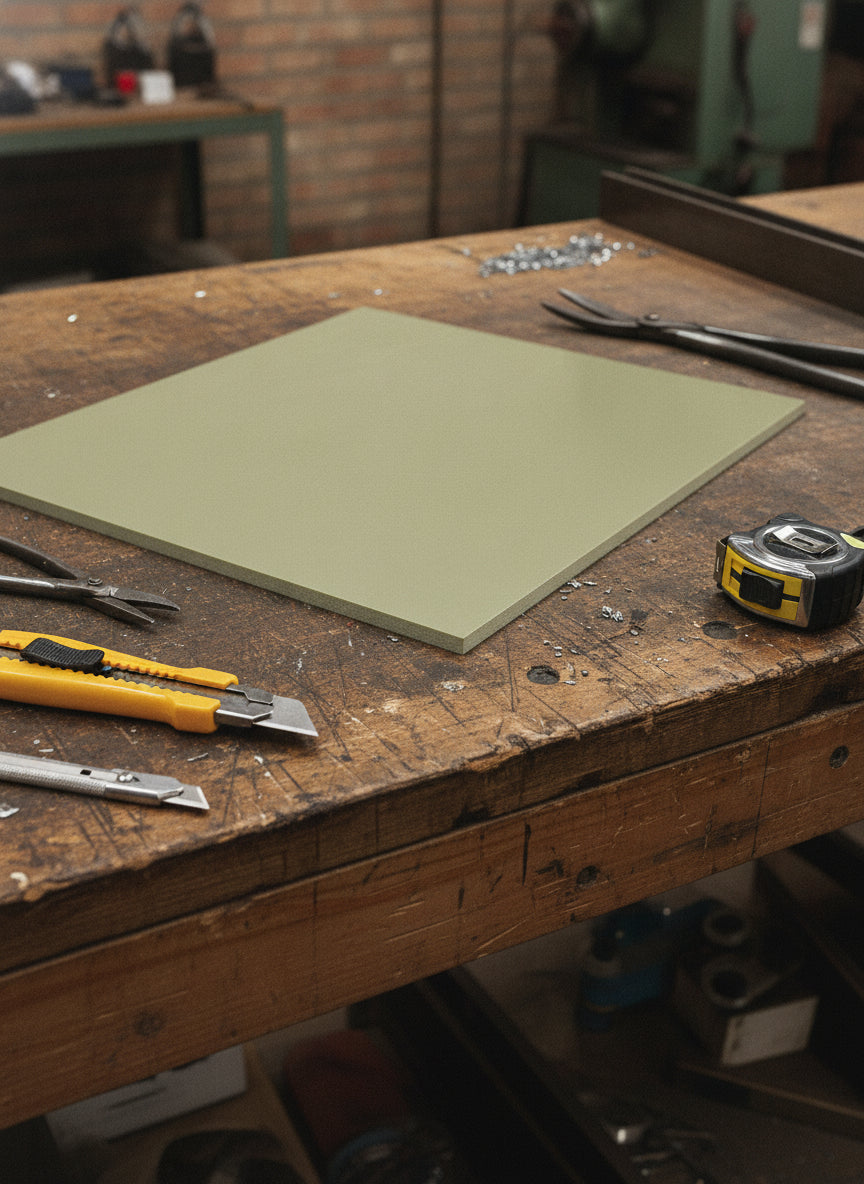
- Easy to process in-house, allowing you to cut and machine to custom shapes and profiles without specialist equipment.
- Thin yet rigid format makes it ideal where space is limited but a stable, strong substrate or insulator is required.
- Range of sheet sizes and thicknesses minimises waste, enabling you to choose panels that best match your cutting layout.
- Consistent quality sheet-to-sheet supports accurate repetition where multiple identical parts are required.
- Suitable for both one-off prototypes and production runs, offering a practical stock material for workshop and maintenance teams.
Specifications
| Specification | Detail |
|---|---|
| Material | phenolic laminate 10G/40 plastic laminate |
| Available thicknesses | 1.6mm to 3mm (nominal) |
| Standard sheet sizes | 300mm x 300mm; 600mm x 300mm; 1200mm x 300mm; 600mm x 600mm; 1200mm x 600mm (plus additional size options) |
| Service type | Suitable for mechanical components and electrical insulation applications (within appropriate design limits) |
| Machinability | Can be cut, drilled and machined using standard workshop equipment |
| Thickness tolerance | Manufactured to close industrial tolerances for flatness and thickness consistency |
Applications and Ideal Uses
These phenolic laminate 10G/40 sheets are suitable for a wide range of mechanical, electrical and general engineering uses, particularly where thin, stable sheet material is required for fabrication or machining.
- Fabrication of spacers, shims, washers and small mechanical components from 1.6mm–3mm stock.
- Electrical insulation panels, barriers and backing plates in control panels and equipment housings (within appropriate design ratings).
- Jigs, fixtures and templates for workshop, toolroom or light production environments.
- Protective covers, guards and mounting plates in machinery and equipment assemblies.
- General maintenance, repair and overhaul tasks requiring durable, easy-to-machine sheet material.
Frequently Asked Questions
Can I cut and drill phenolic laminate 10G/40 plastic sheets with standard workshop tools?
Yes, these sheets can generally be cut, drilled and machined using common workshop equipment such as saws, drills and milling machines. Using sharp tools and appropriate cutting speeds will help achieve clean edges and minimise heat build-up.
Which sheet size should I choose for my project?
Select the smallest sheet size that still allows you to nest all your parts with an allowance for cutting kerfs and any clamping edges. Options range from compact 300mm x 300mm panels up to 1200mm x 600mm sheets, as well as additional sizes, so you can minimise waste while covering your component layout.
Is the 1.6mm thickness strong enough for structural components?
The 1.6mm sheets provide a thin yet relatively rigid substrate suitable for light-duty components, spacers and insulating plates. For parts subject to higher mechanical loads or impact, a thicker sheet closer to 3mm or a design with additional support is recommended. Always assess thickness against the specific load and safety requirements of your application.