

Our Clients
Description
This premium recycled acrylic sheet in yellow 72013 offers a high-performance alternative to virgin acrylic, while supporting more sustainable material choices. Manufactured from 100% recycled acrylic, it delivers reliable strength, rigidity and optical consistency, making it suitable for a wide range of engineering, fabrication and display applications.
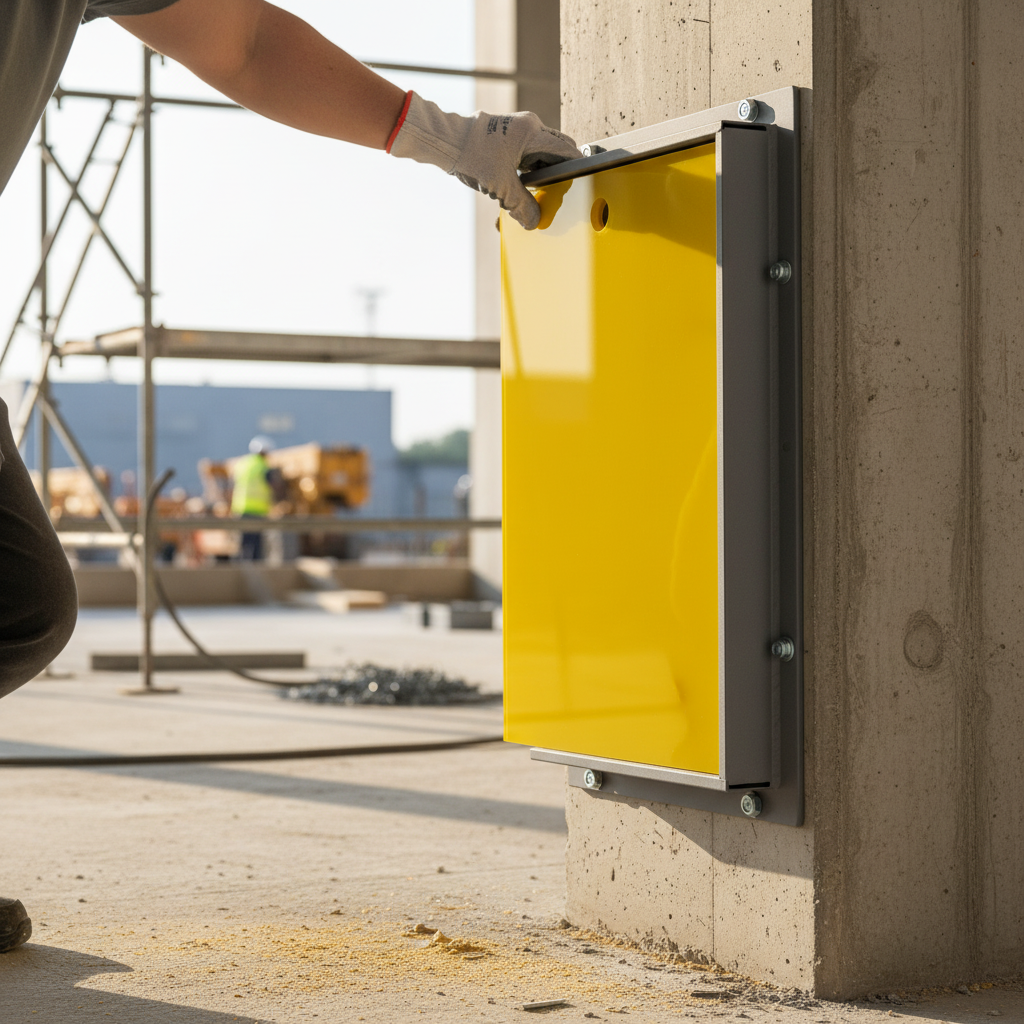
Engineered for excellent fabrication properties and long-term outdoor durability, this UV-resistant sheet can be cut, drilled, routed, polished and thermoformed using standard plastic-working techniques. Its vibrant yellow colour and robust mechanical performance make it ideal for signage, safety guards, machine covers, point-of-sale displays and architectural features where visibility, aesthetics and durability are essential.
Product Features
- Manufactured from 100% recycled acrylic for a more sustainable material option without compromising performance.
- Vibrant yellow 72013 colour for high visibility, highlighting safety zones, warnings and feature areas.
- Standard sheet thickness of 3 mm, offering a good balance of rigidity, weight and ease of fabrication.
- Generous sheet size of 3050 mm length and 2030 mm width, reducing joints and offcuts on larger projects.
- UV-resistant formulation designed to maintain colour stability and mechanical properties in outdoor conditions.
- Excellent fabrication characteristics for cutting, drilling, routing, bonding, polishing and thermoforming.
- Good impact resistance and dimensional stability suitable for engineering plastics applications.
Key Features and Benefits
- Supports sustainability goals by using 100% recycled acrylic, helping to reduce reliance on virgin plastics.
- High-visibility yellow colouring improves safety and clarity in industrial, commercial and public environments.
- UV resistance extends service life outdoors, helping to maintain appearance and performance over time.
- Easy to machine and fabricate with standard workshop tools, saving time and simplifying production processes.
- Lightweight and rigid, offering an efficient alternative to glass or metal in many protective and display applications.
- Supplied in a large-format sheet, allowing multiple components to be nested for economical material usage.
Specifications
| Specification | Detail |
|---|---|
| Material | 100% recycled acrylic (PMMA) |
| Colour | Yellow 72013, opaque/high visibility |
| Thickness | 3 mm (nominal) |
| Sheet length | 3050 mm |
| Sheet width | 2030 mm |
| UV resistance | Formulated for outdoor use with enhanced UV stability |
Applications and Ideal Uses
This recycled yellow acrylic sheet is suitable for a wide variety of engineering, safety, commercial and decorative projects where visibility, durability and machinability are important.
- Safety guards, machine covers and protective panels in workshops and production environments.
- Indoor and outdoor signage, information boards and wayfinding panels.
- Point-of-sale displays, retail fixtures and visual merchandising elements.
- Architectural features, wall panels and decorative inserts in commercial interiors.
- Cut components and fabricated parts for general engineering plastics applications.
Frequently Asked Questions
Can this recycled acrylic sheet be cut and drilled with standard workshop tools?
Yes, this 100% recycled acrylic sheet can be cut and drilled using standard tools suitable for plastics, such as fine-tooth saws, routers and appropriately sharpened drill bits. Care should be taken to use correct feed rates and support the sheet to minimise chipping and stress.
Is the yellow 72013 acrylic suitable for outdoor use without rapid fading?
Yes, the sheet is formulated with UV-resistant properties to help maintain its colour and mechanical performance in outdoor environments. As with all plastics, very long-term exposure and harsh conditions may gradually affect appearance, but it is designed for durable external use.
Can this 3 mm acrylic sheet be thermoformed or bent for curved applications?
Yes, this recycled acrylic can be thermoformed and line-bent using standard acrylic forming techniques. It should be heated evenly to the recommended forming temperature for acrylic, and allowed to cool under restraint to maintain dimensional accuracy and minimise internal stress.