


Description
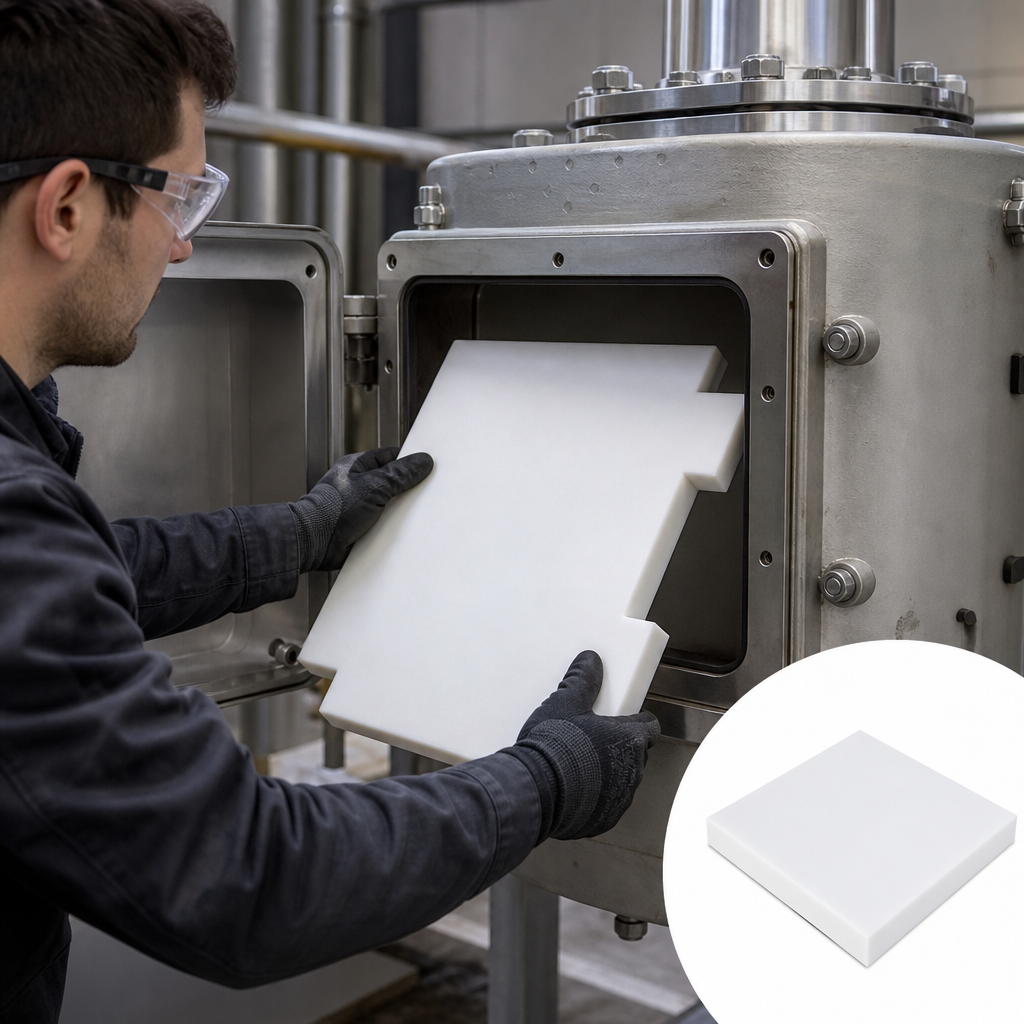
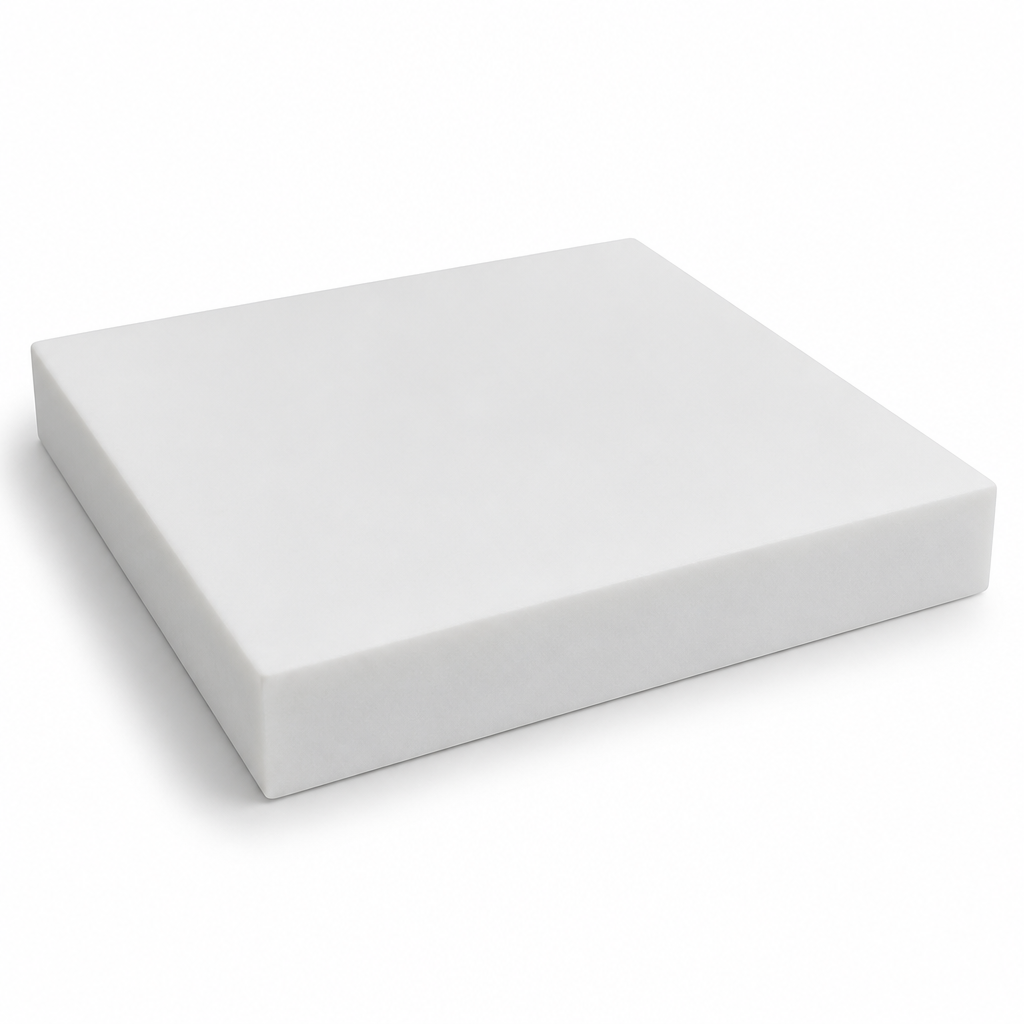
PTFE sheet is a versatile material known for its low friction and high-temperature resistance. Ideal for various industrial applications.
Material Properties
PTFE, or Polyetrafluorethylene, is a thermally stable plastic with a melting point of 327°C and Shore D hardness. It exhibits excellent dielectric properties and is suitable for high-temperature applications.
Advantages and Disadvantages
PTFE sheets offer low friction and high chemical resistance, making them ideal for sliding applications. However, they have low tensile strength and can be soft, potentially distorting when clamped.
Applications
Common uses for PTFE sheets include plain bearings, slide plates, and laboratory containers. They are also utilized in optical radiometry for measuring light due to their ability to diffuse light effectively.
Machining and Bonding
Machining PTFE can be challenging due to its softness and low friction. Surface preparation is necessary for bonding, with specific adhesives available for effective attachment.
Safety Considerations
PTFE can emit toxic fumes when heated above 400°C. Care should be taken during machining to avoid contact with high temperatures, as PTFE dust can be hazardous.
Specifications
- Material: Polyetrafluorethylene (PTFE)
- Melting Point: 327°C
- Shore Hardness: Shore D
- Thermal Conductivity: 0.20 J(g*K)
- Available Thicknesses: 0.5mm to 50mm
- Colour: White (natural)
Benefits
- Ideal for high-temperature applications
- Reduces wear in sliding applications
- Safe for use in laboratory environments
- Offers excellent insulation properties
Use Cases
- Plain bearings
- Slide plates
- Laboratory containers
- Optical radiometry applications
FAQ
Q: Can PTFE sheet be used in food applications?
A: Yes, PTFE is commonly used in cookware and is safe for food applications.
Q: Is PTFE sheet chemically resistant?
A: PTFE is resistant to most chemicals, with few exceptions at high temperatures.
All sizes & prices
4 sizes · prices include VAT · tap a price to select that size
| Size | Price | Ex VAT |
|---|---|---|
| 300 x 300 x 40mm | £1,019.68 | £849.73 |
| 600 x 300 x 40mm | £1,853.96 | £1,544.97 |
| 300 x 300 x 50mm | £1,256.84 | £1,047.37 |
| 600 x 300 x 50mm | £2,285.14 | £1,904.28 |
Need a size that isn't listed? We cut to order. Request a quote or call 01744 520110.
Supplying UK engineers, manufacturers and public bodies


