

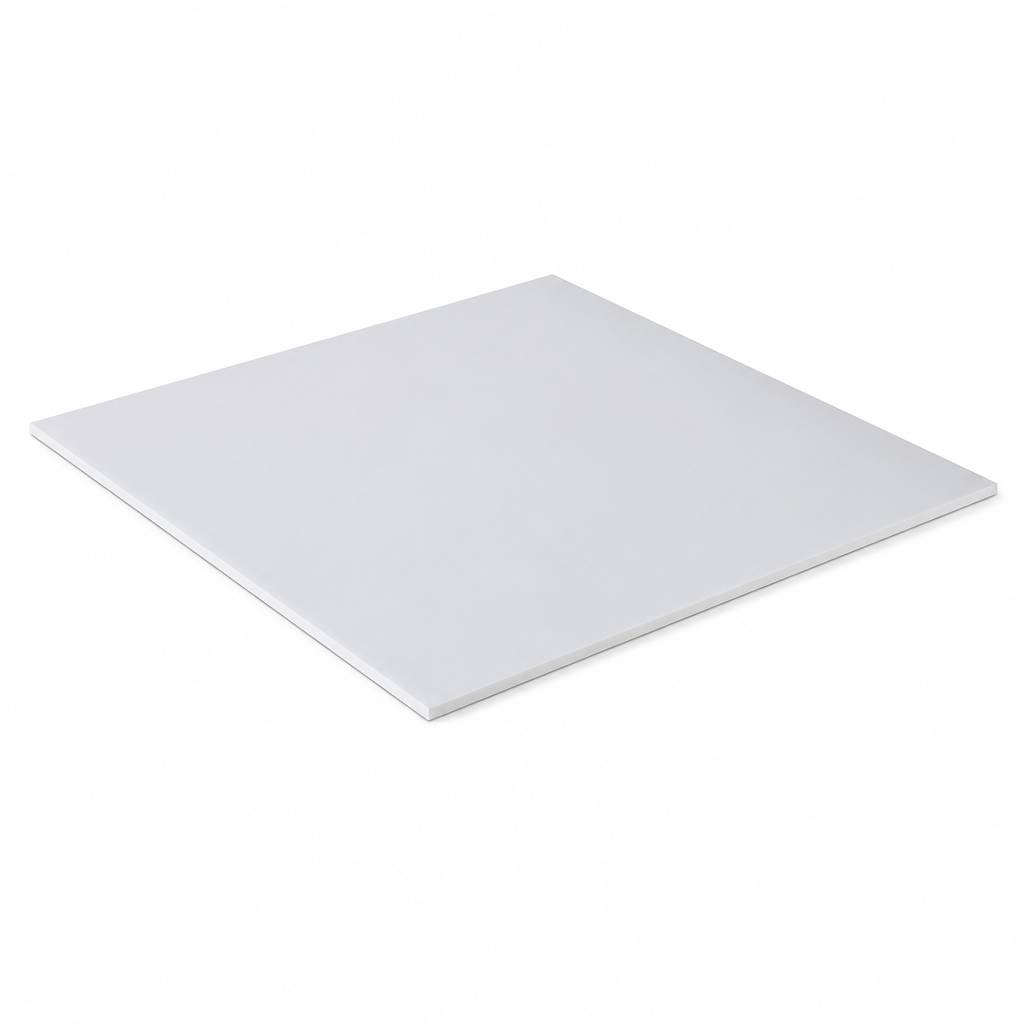


Description
PTFE sheet is a versatile material known for its low friction and high-temperature resistance. Ideal for various engineering and laboratory applications.
Material Properties
PTFE, or polytetrafluoroethylene, is a thermally stable plastic with a melting point of 327°C. It exhibits excellent dielectric properties, making it suitable for high-frequency applications.
Performance Characteristics
PTFE sheets provide exceptional resistance to extreme temperatures, chemical reactions, and corrosion. They are preferred for applications requiring low friction and high bulk resistivity.
Applications
These sheets are commonly used in plain bearings, slide plates, and as containers in laboratory settings for corrosive materials. They are also utilized in optical radiometry for measuring light.
Machining and Bonding
Due to its softness, PTFE can be challenging to machine without damage. Surface preparation is required for bonding, typically involving etching to enhance adhesion.
Safety Considerations
PTFE can emit toxic fumes when heated above 400°C. Care should be taken to avoid exposure to PTFE dust during machining, as it can be hazardous.
Specifications
- Melting point: 327°C
- Shore hardness: Shore D
- Thermal conductivity: 0.20 J(g*K)
- Available thicknesses: 0.25mm to 50mm
- Color: White (natural)
Benefits
- Durable and long-lasting
- Ideal for high-temperature applications
- Resistant to wear and corrosion
- Suitable for laboratory use
- Low maintenance requirements
Use Cases
- Plain bearings
- Slide plates
- Laboratory containers
- Optical radiometry applications
FAQ
Q: Can PTFE sheet be used in food applications?
A: Yes, PTFE is commonly used in cookware and is safe for food applications.
Q: Is PTFE sheet chemically resistant?
A: Yes, PTFE is resistant to most chemicals except for certain alkaline metals and fluorinated compounds at high temperatures.
All sizes & prices
87 sizes · prices include VAT · tap a price to select that size
Need a size that isn't listed? We cut to order. Request a quote or call 01744 520110.
Supplying UK engineers, manufacturers and public bodies


