


Our Clients
Description
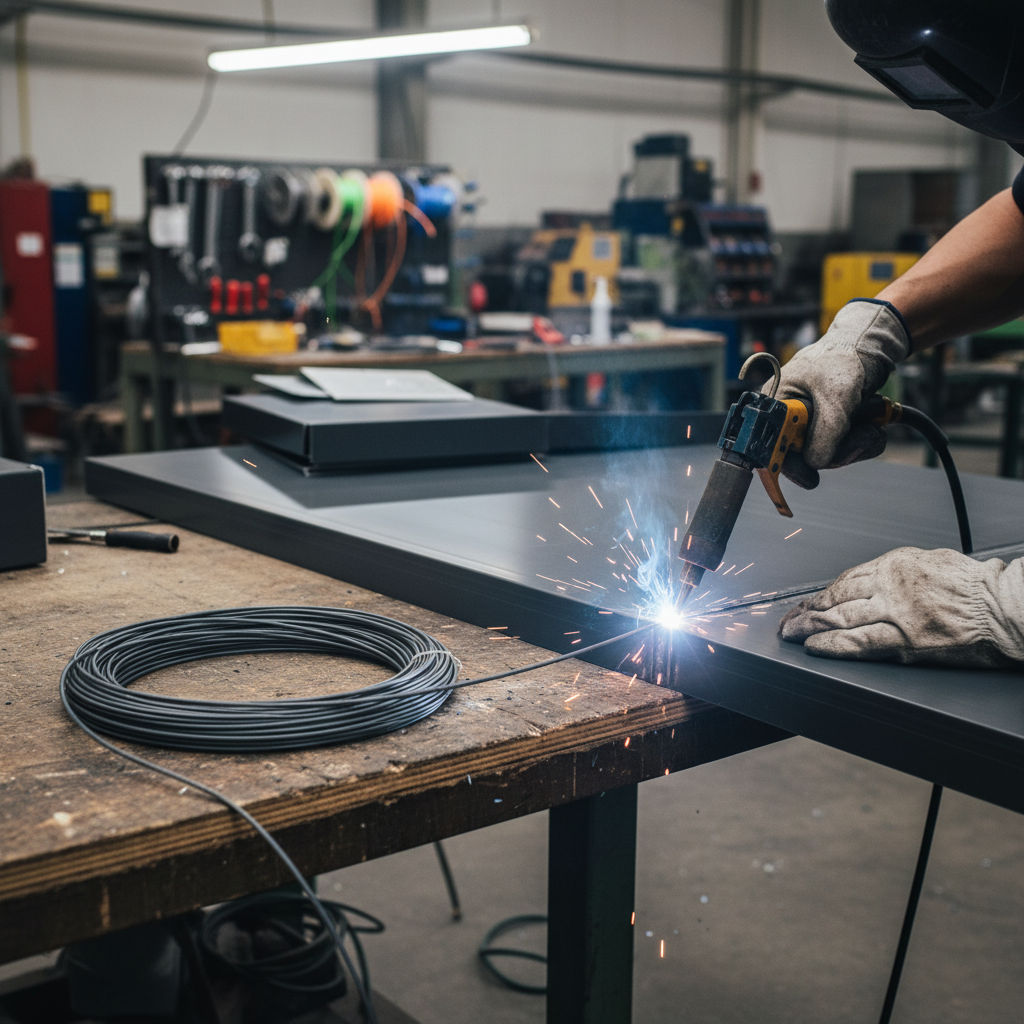
This premium rigid UPVC welding rod in dark grey is designed for reliable, high-strength plastic welding on UPVC components and assemblies. Supplied in a convenient 2 kg coil, it offers consistent quality, excellent flow characteristics and strong fusion, making it ideal for both repair and new fabrication work.
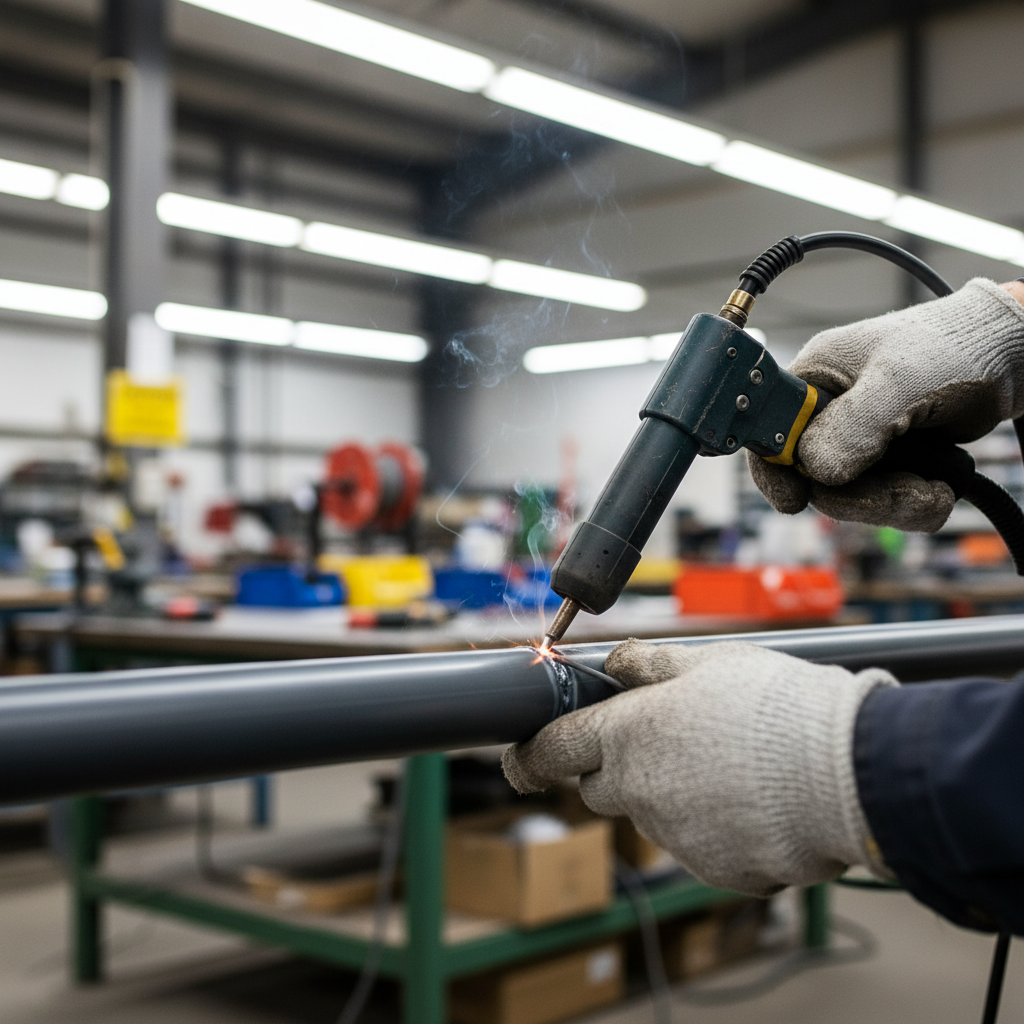
Available in a range of specialist profiles, this welding rod is suitable for precision welding of window frames, doors, trims, cladding, pipework and other UPVC fabrications. The dark grey colour helps achieve discreet, professional-looking joints that blend with commonly used UPVC profiles and extrusions.
Product Features
- Manufactured from high-quality rigid UPVC specifically formulated for plastic welding applications.
- Supplied in a standard 2 kg coil for efficient handling, storage and continuous welding runs.
- Available in 3 mm round and 4 mm round profiles for general-purpose UPVC welding and repairs.
- Specialist triangular profiles in 4.5 mm, 5.7 mm and 7 mm for filling wider joints and achieving strong corner welds.
- V clover profiles in 4.5 mm and 5.3 mm and a 5.2 mm tricore option for high-strength structural welds and specific joint geometries.
- Dark grey colour to closely match common industrial and construction-grade UPVC components.
- Consistent cross-section and profile accuracy to support clean, repeatable welds.
Key Features and Benefits
- Ensures strong, durable bonds between UPVC parts, helping extend service life and reduce replacement costs.
- Multiple profiles allow you to select the most suitable rod geometry for closed, open, internal or external joints.
- Rigid formulation provides good control during welding, helping to maintain neat bead shape and minimise sagging.
- Dark grey finish helps conceal repair work and provides a uniform appearance across welded seams.
- 2 kg coil format reduces changeovers and offcuts, supporting efficient working on site or in the workshop.
- Compatible with most standard hot air plastic welding tools designed for processing UPVC rod.
Specifications
| Specification | Detail |
|---|---|
| Material | Rigid unplasticised polyvinyl chloride (UPVC) |
| Colour | Dark grey |
| Available profiles | 3 mm round, 4 mm round, 4.5 mm triangle, 4.5 mm V clover, 5.2 mm tricore, 5.3 mm V clover, 5.7 mm triangle, 7 mm triangle |
| Coil weight | 2 kg (nominal) |
| Typical use | Plastic welding, repair and fabrication of compatible UPVC components |
| Welding method | Hot air plastic welding with suitable UPVC temperature settings |
Applications and Ideal Uses
This dark grey rigid UPVC welding rod is suitable for a wide range of industrial, construction and maintenance tasks where UPVC components need to be joined or repaired.
- Repairing and fabricating UPVC window frames, door frames and glazing profiles.
- Welding UPVC cladding, trim sections and fascia components in building applications.
- Joining and repairing UPVC ducting, trunking and housings in industrial installations.
- On-site maintenance and repair of damaged UPVC parts, covers and guards.
- Workshop fabrication of custom UPVC assemblies, jigs, fixtures and protective panels.
Frequently Asked Questions
Can this UPVC welding rod be used with any type of plastic?
No, this rod is designed specifically for welding compatible rigid UPVC materials. It should not be used on other plastics such as polyethylene, polypropylene, ABS or polycarbonate, as this may result in poor bonding and weak joints.
Which profile should I choose for my welding job?
Round profiles in 3 mm and 4 mm are suitable for most general repair and fabrication work. Triangular profiles and V clover or tricore options are often selected for wider gaps, corner joints or where a higher weld build-up and strength are required. Choose a profile that closely matches the joint geometry and bead size you need.
What equipment do I need to weld with this UPVC rod?
You will need a suitable hot air plastic welding gun with the correct nozzles for the chosen rod profile, along with appropriate temperature and air flow control for UPVC. Always carry out a test weld, follow tool manufacturer guidance and observe relevant safety practices, including adequate ventilation and personal protective equipment.