


Our Clients
Description
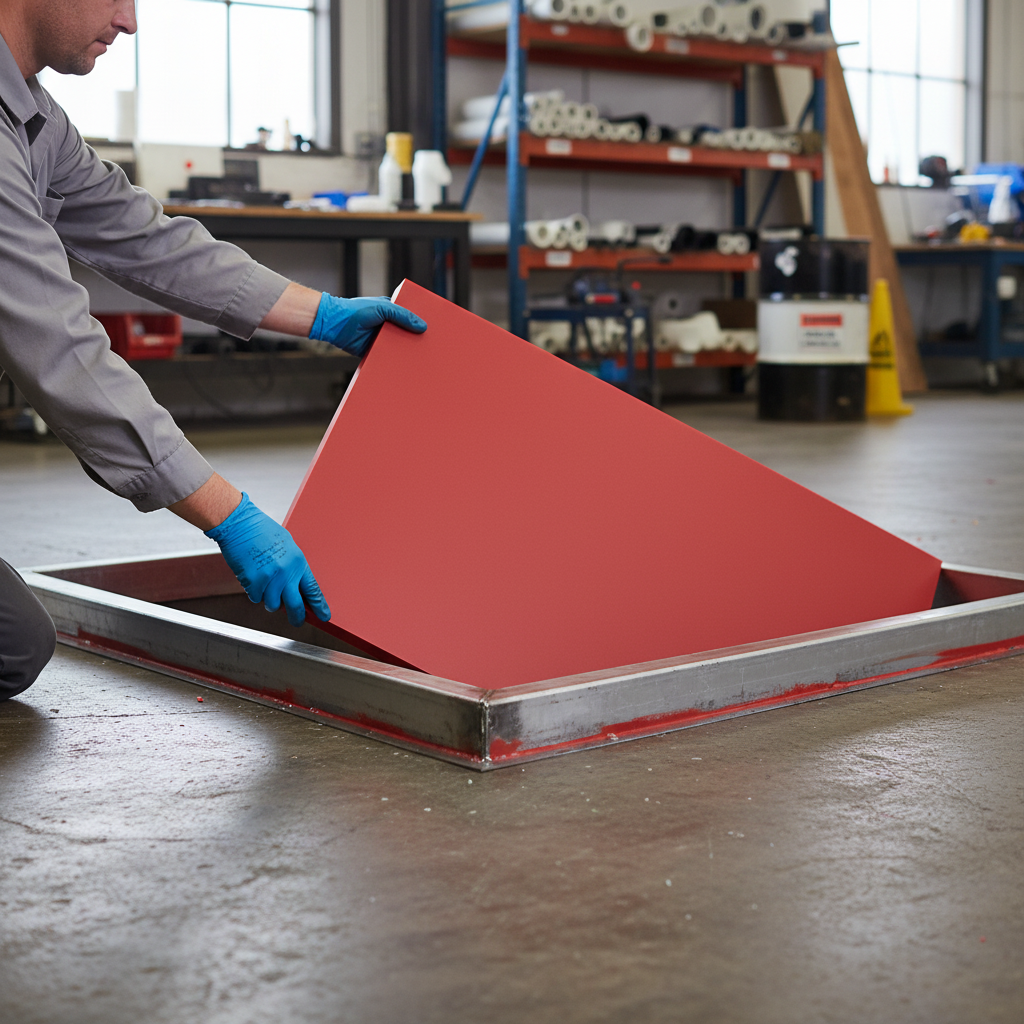
This premium high-performance UPVC red sheet is a rigid engineering plastic designed for demanding industrial and fabrication environments. Combining excellent mechanical strength with good dimensional stability, it is ideal where a tough, cost-effective alternative to metal or other engineering materials is required.
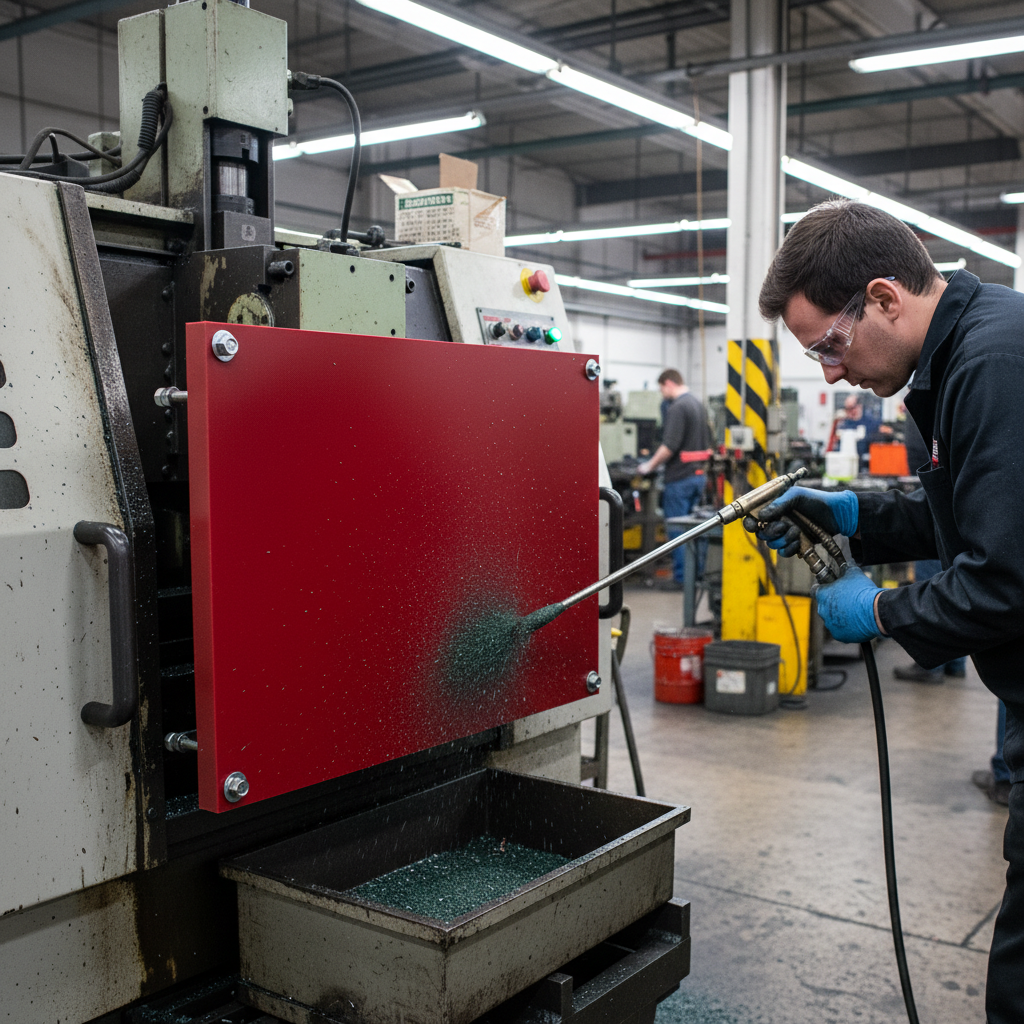
With inherent flame retardant and chemical-resistant properties, this sheet is particularly suited to applications such as machine guards, cladding, splashbacks, panels and protective covers in workshops, factories and processing plants. Supplied in a standard 2000 mm x 1000 mm sheet size and a wide range of thicknesses, it offers a versatile solution for both one-off projects and production work.
Product Features
- Manufactured from rigid unplasticised PVC (UPVC) for high stiffness and durability.
- Flame retardant material, suitable for environments where enhanced fire performance is required.
- Good chemical resistance, making it ideal for contact with many oils, greases and cleaning agents.
- Striking red colour for clear visual identification, safety marking or colour-coded installations.
- Available in multiple thicknesses from 1 mm, 2 mm, 3 mm, 4 mm, 5 mm and additional larger options to suit light to heavy-duty applications.
- Standard sheet size of 2000 mm length x 1000 mm width for easy handling and efficient cutting.
- Consistent, smooth surface finish suitable for machining, bonding, drilling and fabrication.
Key Features and Benefits
- Reliable in service thanks to excellent rigidity and impact resistance, helping to maintain panel integrity over time.
- Flame retardant performance supports compliance with internal safety policies and reduces fire propagation risk.
- Chemical resistance extends service life in harsh environments, reducing maintenance and replacement frequency.
- Red colour improves visibility of guards, barriers and safety panels, aiding workplace safety and identification.
- Wide thickness range allows you to choose exactly the right balance between weight, strength and cost.
- Easy to cut, drill and machine using standard workshop tools, helping to speed up fabrication and installation.
Specifications
| Specification | Detail |
|---|---|
| Material | Rigid unplasticised PVC (UPVC) |
| Colour | Red, solid opaque |
| Available thicknesses | 1 mm, 2 mm, 3 mm, 4 mm, 5 mm (plus additional thicker options) |
| Sheet length | 2000 mm (nominal) |
| Sheet width | 1000 mm (nominal) |
| Key properties | Flame retardant, chemically resistant, rigid, good dimensional stability |
Applications and Ideal Uses
This high-performance UPVC red sheet is suitable for a wide range of engineering, industrial and fabrication tasks where robust, flame retardant and chemically resistant sheet material is required.
- Machine guards, safety screens and protective covers in workshops and production facilities.
- Wall cladding, lining and splashback panels in industrial and processing areas.
- Chemical handling areas, enclosures and housings where resistance to oils and cleaning agents is needed.
- Fabricated components, brackets, panels and jigs for engineering projects.
- Colour-coded partitions, signage backers and panels for safety or process identification.
Frequently Asked Questions
Can this UPVC red sheet be cut and drilled with standard workshop tools?
Yes, the sheet can be cut, drilled and machined using common tools such as circular saws, jigsaws, routers and drill bits suitable for plastics. Using sharp tools and appropriate support will help achieve clean, precise edges.
Is the sheet suitable for outdoor use?
UPVC offers good durability, but long-term outdoor exposure may lead to some colour change and surface ageing. For critical external applications, additional protection or a material specifically designed for continuous outdoor use may be advisable.
How do I choose the right thickness of sheet for my application?
Thinner sheets (around 1–2 mm) are generally suited to light-duty cladding and covers, while thicker sheets (3 mm and above) are better for load-bearing panels, guards and structural components. Consider the size of the panel, expected loads, fixing points and any impact risks when selecting the thickness.