


Our Clients
Description
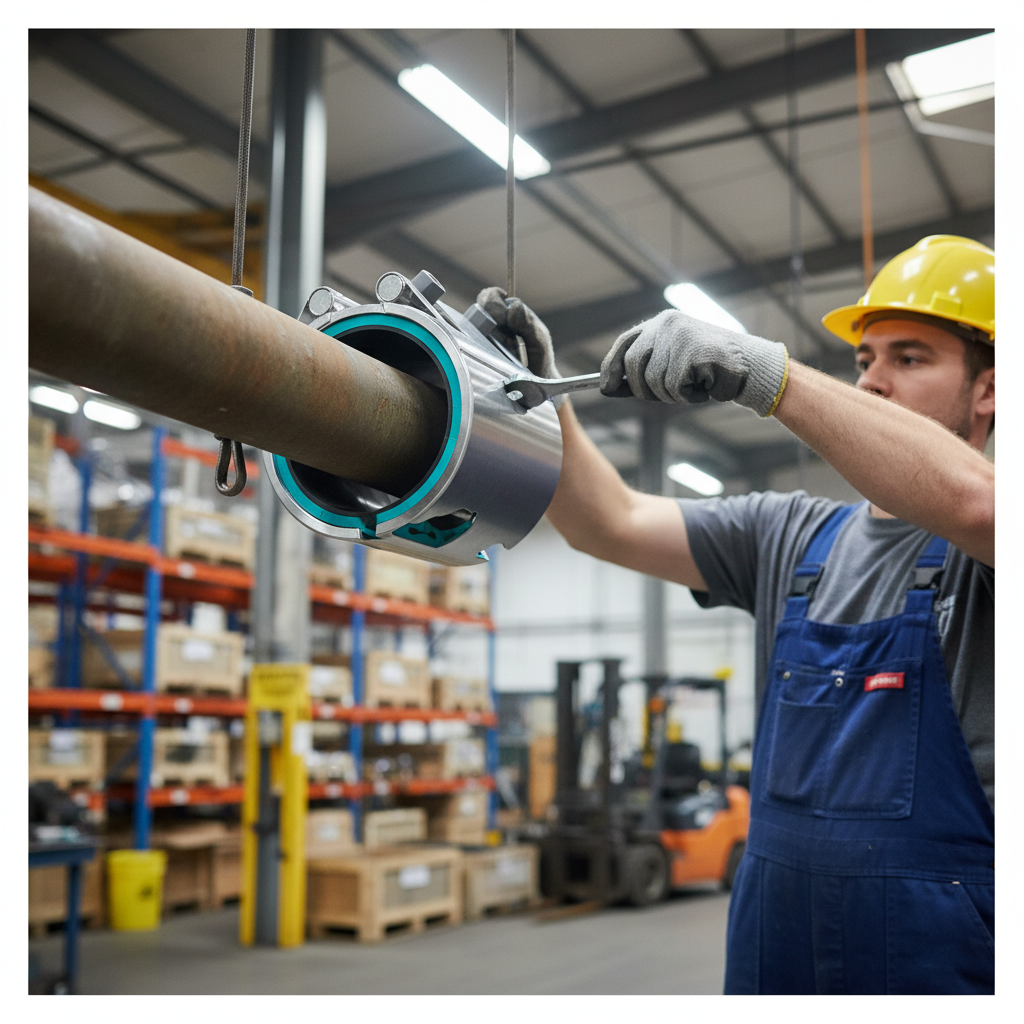
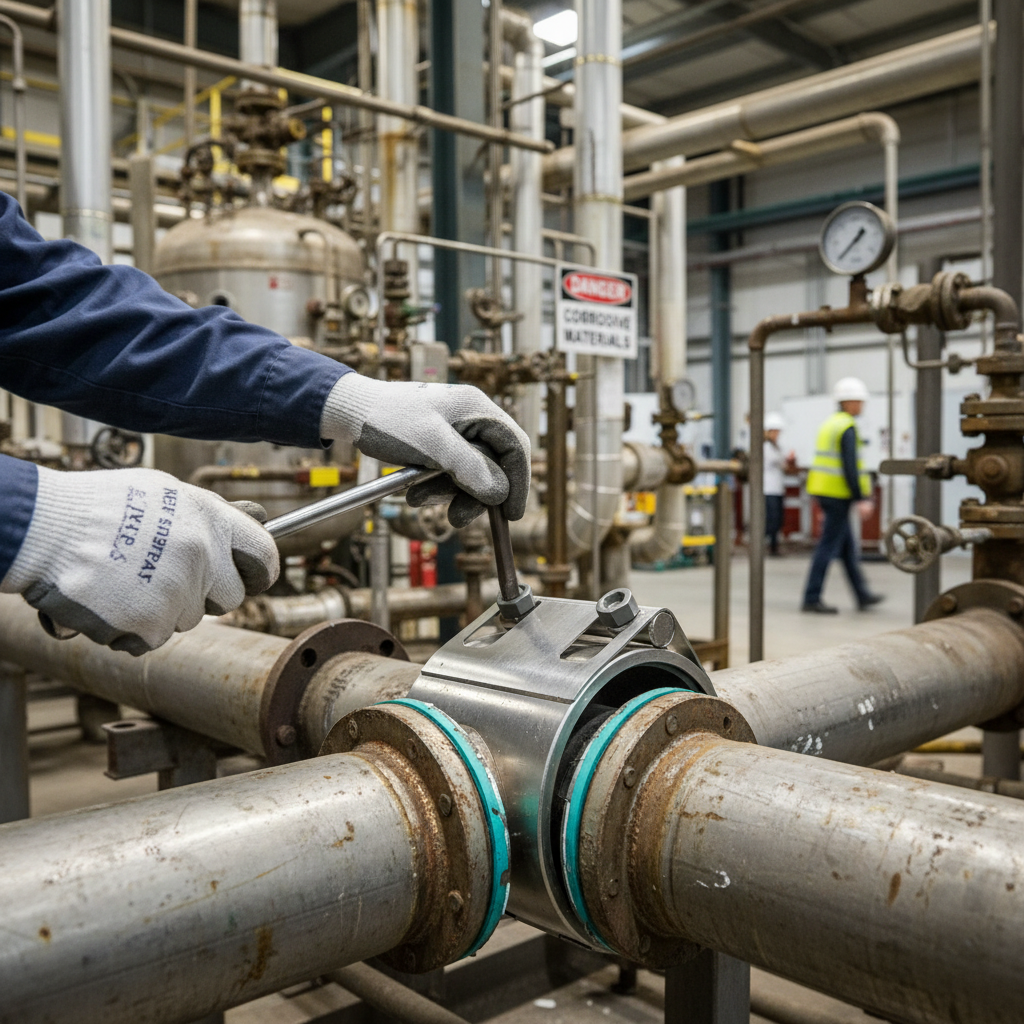
This premium stepped coupling Type I is a high-quality pipe connection solution designed to securely join pipes with slightly different outside diameters. Its stepped construction provides a precise fit across a range of pipe sizes, helping to create a reliable, leak-resistant joint in both new installations and repair work.
Suitable for use with multiple pipe materials, this versatile coupling is ideal for civil engineering, building services, industrial process lines and infrastructure maintenance. Available in a choice of outside diameter ranges including 108–114.3 mm, 110–112 mm, 110–114.3 mm, 150–160 mm and 160–168.3 mm, it offers flexible compatibility while maintaining a compact 110 mm width for easy installation in confined spaces.
Product Features
- Stepped Type I coupling design engineered to connect pipes with differing outside diameters securely.
- Available outside diameter ranges: 108–114.3 mm, 110–112 mm, 110–114.3 mm, 150–160 mm and 160–168.3 mm.
- Standard width of 110 mm for a compact, space-saving profile on the pipe run.
- Compatible with a variety of pipe materials, including common plastic, metal and composite pipe systems (subject to matching diameters).
- Robust band and gasket construction designed to provide a tight, durable seal under typical service conditions.
- Clamp-style fastening enables secure tightening and quick assembly with basic hand tools.
- Corrosion-resistant components help maintain long-term performance in demanding environments.
Key Features and Benefits
- Accommodates dimensional differences, allowing straightforward connection between pipes with slightly mismatched outside diameters.
- Versatile compatibility with multiple materials reduces the need to hold numerous specialist fittings in stock.
- Compact 110 mm width makes the coupling easy to fit in ducts, service voids and other restricted access areas.
- Simple, tool-assisted tightening minimises installation time and helps reduce labour costs on site.
- Durable construction and secure sealing help to minimise leaks and future maintenance interventions.
- Available in several outside diameter ranges, making specification straightforward across different pipeline sizes.
Specifications
| Specification | Detail |
|---|---|
| Product type | Stepped coupling Type I for pipe connections |
| Outside diameter options (mm) | 108–114.3; 110–112; 110–114.3; 150–160; 160–168.3 |
| Width (mm) | 110 |
| Suitable pipe materials | Compatible with a range of plastic, metal and composite pipes (diameter must match selected range) |
| Connection method | Mechanical clamp with stepped sealing arrangement |
| Typical applications | Water services, drainage, building services, industrial pipework and repair work |
Applications and Ideal Uses
This stepped coupling Type I is ideal wherever secure, reliable connections are required between pipes of slightly different outside diameters, particularly in mixed-material or retrofit installations.
- Joining new and existing pipework during refurbishment or extension projects.
- Repairing damaged pipe sections without replacing long runs of pipe.
- Connecting different pipe materials in building services and plant rooms.
- Use in water supply and drainage lines in commercial and residential developments.
- Industrial process lines where minor diameter variations need to be accommodated.
Frequently Asked Questions
Which outside diameter range should I choose for my pipes?
Select the coupling variant where both pipe outside diameters fall within the stated range, for example 108–114.3 mm. Measure the actual outside diameter of each pipe with a suitable gauge or calliper and ensure the chosen option covers both sizes.
Can this stepped coupling be used with different pipe materials on each side?
Yes, the coupling can connect different compatible pipe materials, provided the outside diameters match the specified range. Always ensure the pipe surfaces are clean, sound and suitable for mechanical clamping before installation.
Is any special tooling required to install the coupling?
No specialist tools are normally required. Installation is typically carried out using standard hand tools to tighten the fastening clamps to the recommended torque, following normal good practice for pipe joint assembly.