


Our Clients
Description
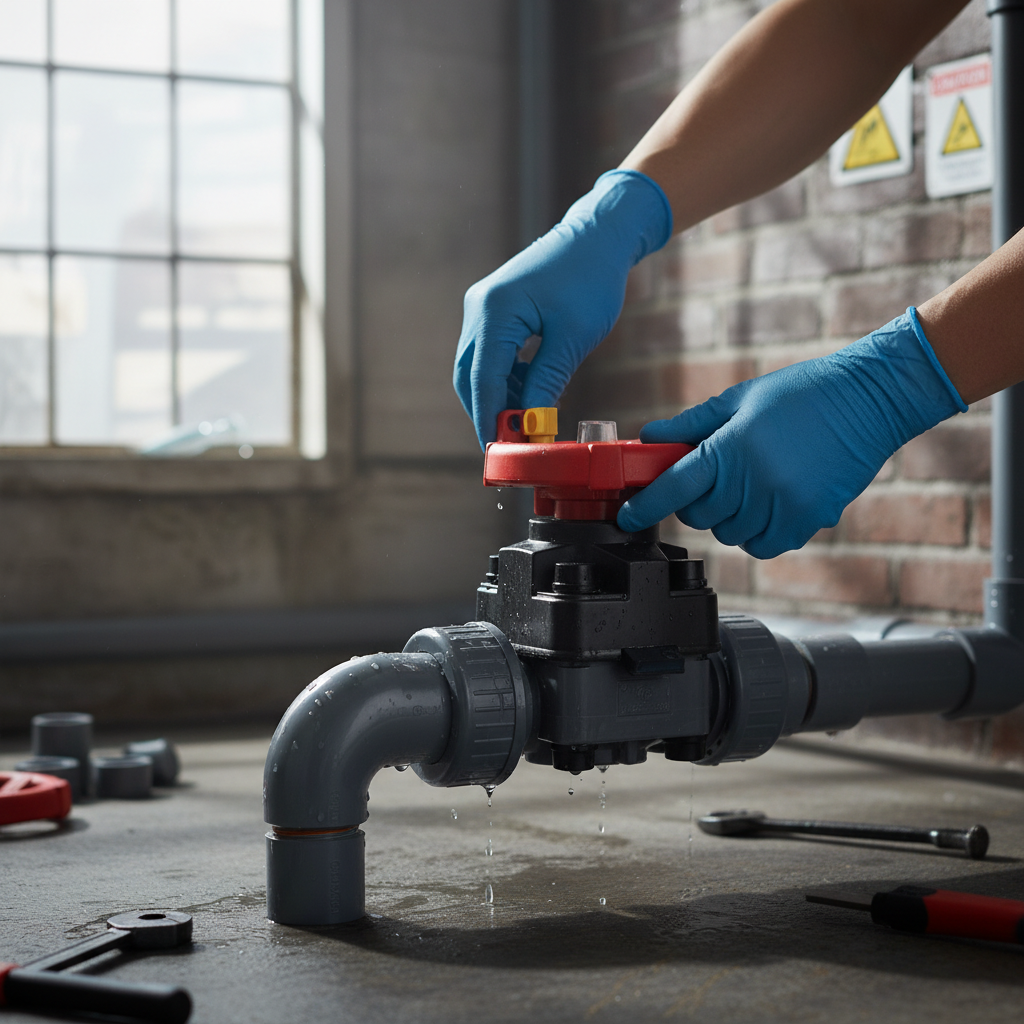
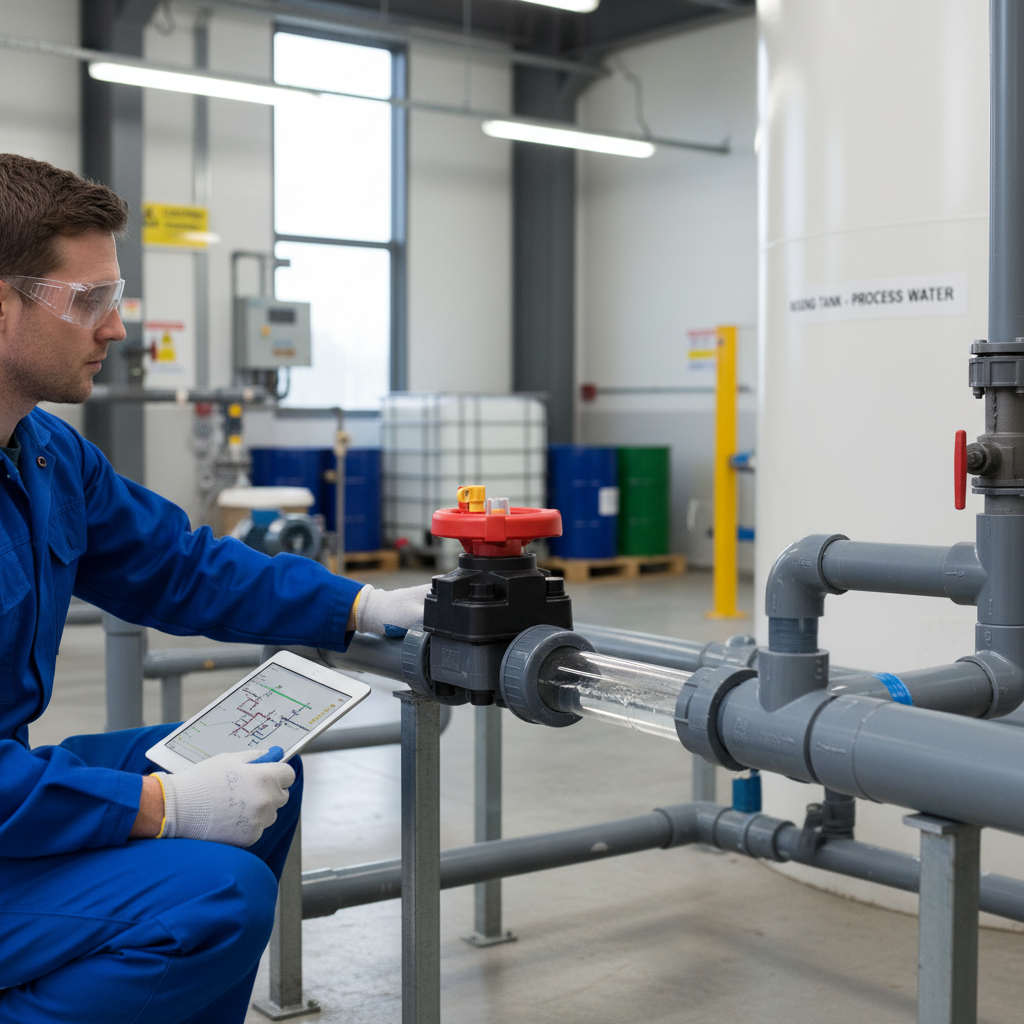
These premium PVCu diaphragm valves with plain metric sockets and EPDM seals provide reliable flow control for a wide range of industrial and process pipework systems. Designed for use with metric PVCu pipe, they combine excellent chemical resistance with a compact, robust construction suitable for both new installations and system upgrades.
Featuring easy-to-solvent-weld plain sockets and resilient EPDM diaphragms, these valves offer smooth throttling and shut-off performance while helping to protect downstream equipment from corrosion-related failures. Ideal for water treatment, chemical handling, and general industrial services, they deliver dependable operation in demanding environments.
Product Features
- Manufactured from rigid PVCu for excellent corrosion resistance in a wide range of media.
- Plain metric sockets for solvent-weld connection to metric PVCu pipe systems.
- EPDM diaphragm and seals for reliable sealing performance with water and many chemicals.
- Available in metric sizes: 20mm, 25mm, 32mm, 40mm, 50mm and 63mm.
- Manual handwheel operation for precise adjustment and throttling control.
- Full-bore design to minimise pressure loss where system efficiency is critical.
- Compact valve body for easy integration into new or existing pipe runs.
Key Features and Benefits
- Resists rust and corrosion, providing a longer service life than many metal valve alternatives in aggressive environments.
- Plain socket ends allow quick and straightforward solvent-weld installation, reducing fitting time and labour costs.
- EPDM sealing elements offer dependable, leak-tight performance, helping to maintain system integrity and reduce downtime.
- Precise flow control supports accurate process management in dosing, blending and filtration applications.
- Lightweight construction reduces stress on pipework and makes handling and installation easier, especially in tight spaces.
- Low maintenance requirements help to keep operational costs down over the lifetime of the system.
Specifications
| Specification | Detail |
|---|---|
| Body material | PVCu (unplasticised polyvinyl chloride) |
| Connection type | Plain metric solvent-weld sockets |
| Available sizes | 20mm, 25mm, 32mm, 40mm, 50mm, 63mm |
| Seal/diaphragm material | EPDM (ethylene propylene diene monomer) |
| Operation | Manual handwheel diaphragm valve |
| Typical applications | Water treatment, chemical processing, general industrial pipework |
Applications and Ideal Uses
These PVCu diaphragm valves are suitable for installation in many low to medium pressure systems where corrosion resistance, clean bore flow and reliable shut-off are essential.
- Water treatment plants, filtration systems and dosing lines.
- Chemical distribution and process pipework handling compatible media.
- Industrial cooling and circulation systems in factories and workshops.
- Laboratory and pilot-plant installations requiring accurate flow control.
- Aquaculture, pools and leisure water features using PVCu piping.
Frequently Asked Questions
How do I connect these PVCu diaphragm valves to my existing pipework?
These valves are supplied with plain metric solvent-weld sockets and are designed to be bonded directly to compatible metric PVCu pipe using a suitable pipe cleaner and solvent cement. Ensure the pipe size matches the valve size selected (for example, a 32mm valve for 32mm pipe) and follow standard PVCu solvent-welding procedures.
Are the EPDM seals suitable for all types of chemicals?
EPDM offers good resistance to water, many dilute acids, alkalis and some chemicals, but it is not suitable for all media, particularly oils, solvents and hydrocarbons. Always check the chemical compatibility of EPDM with your specific fluid and operating temperature before selection.
Can these valves be installed in any orientation within the pipeline?
In most cases, PVCu diaphragm valves can be installed in horizontal or vertical pipe runs, but best practice is to follow the flow direction indicated on the valve body if present, and to ensure the handwheel is accessible for operation and maintenance. Avoid mounting in positions where debris may accumulate around the diaphragm, and always support the pipework correctly to prevent undue stress on the valve.