


Our Clients
Description
This premium PPH extruded beige sheet is a high-performance engineering plastic designed for demanding industrial applications. Manufactured from homopolymer polypropylene, it offers excellent stiffness, high mechanical strength and outstanding resistance to a wide range of chemicals, making it ideal for use in harsh processing environments.
Available in a choice of thicknesses from 1 mm to 4 mm and beyond, with a standard sheet size of 2000 mm x 1000 mm, this material is widely used for fabricated components, machine guards, linings, tanks and chemical handling equipment. Its balance of strength, low weight and thermal resistance makes it a reliable choice for engineers, fabricators and maintenance teams.
Product Features
- Premium PPH (polypropylene homopolymer) extruded sheet in a practical beige colour for easy identification and inspection.
- Available thickness options include 1 mm, 1.5 mm, 2 mm, 3 mm, 4 mm and a further range of heavier gauges for more demanding applications.
- Standard sheet length of 2000 mm, providing ample coverage for cladding, lining and large fabricated parts.
- Standard sheet width of 1000 mm to suit common fabrication and cutting formats, minimising material waste.
- High stiffness and dimensional stability, suitable for precision machining, welding and thermoforming.
- Excellent resistance to a wide range of acids, alkalis and many industrial chemicals.
- Good heat resistance for continuous use at elevated service temperatures in industrial environments.
Key Features and Benefits
- Outstanding chemical resistance helps extend service life in tank lining, fume extraction and chemical processing systems.
- High mechanical strength and rigidity provide robust, long-lasting components that resist impact and deformation.
- Low density compared with many alternative materials reduces overall structure weight and aids easier handling and installation.
- Good weldability and formability allow straightforward fabrication into complex shapes, ducts, tanks and enclosures.
- Smooth, easy-to-clean surface supports good hygiene standards in food, pharmaceutical and laboratory environments when correctly specified.
- Consistent beige colour and extruded finish support accurate visual inspection and a professional, uniform appearance across installations.
Specifications
| Specification | Detail |
|---|---|
| Material | PPH (polypropylene homopolymer), extruded sheet |
| Colour | Beige |
| Available thicknesses (mm) | 1, 1.5, 2, 3, 4 mm plus additional thicker options |
| Sheet length (mm) | 2000 mm (nominal) |
| Sheet width (mm) | 1000 mm (nominal) |
| Chemical resistance | Resistant to many acids, alkalis and aqueous solutions; suitability dependent on specific media and conditions |
Applications and Ideal Uses
This PPH extruded sheet is suited to a wide variety of industrial and engineering applications where strength, chemical resistance and thermal performance are essential.
- Fabrication of chemical storage tanks, bunds and process vessels.
- Cladding and lining of chemical-resistant ducting, fume cupboards and extraction systems.
- Machined components, covers, guards and panels for industrial machinery.
- Laboratory furniture, splashbacks and process workstations.
- Plant engineering projects in water treatment, plating lines and effluent handling systems.
Frequently Asked Questions
Can this PPH extruded sheet be welded and fabricated easily?
Yes. PPH sheet is well suited to hot air and extrusion welding, as well as common fabrication processes such as bending, machining and thermoforming. Using appropriate welding rod and correct process settings will help achieve strong, reliable joints.
Is this material suitable for contact with all chemicals?
No single material is resistant to every chemical. PPH offers excellent resistance to many acids, alkalis and aqueous solutions, but compatibility depends on the specific chemical, its concentration and temperature. Always consult a chemical resistance guide or seek technical advice for critical applications.
Can the sheets be cut to size using standard workshop tools?
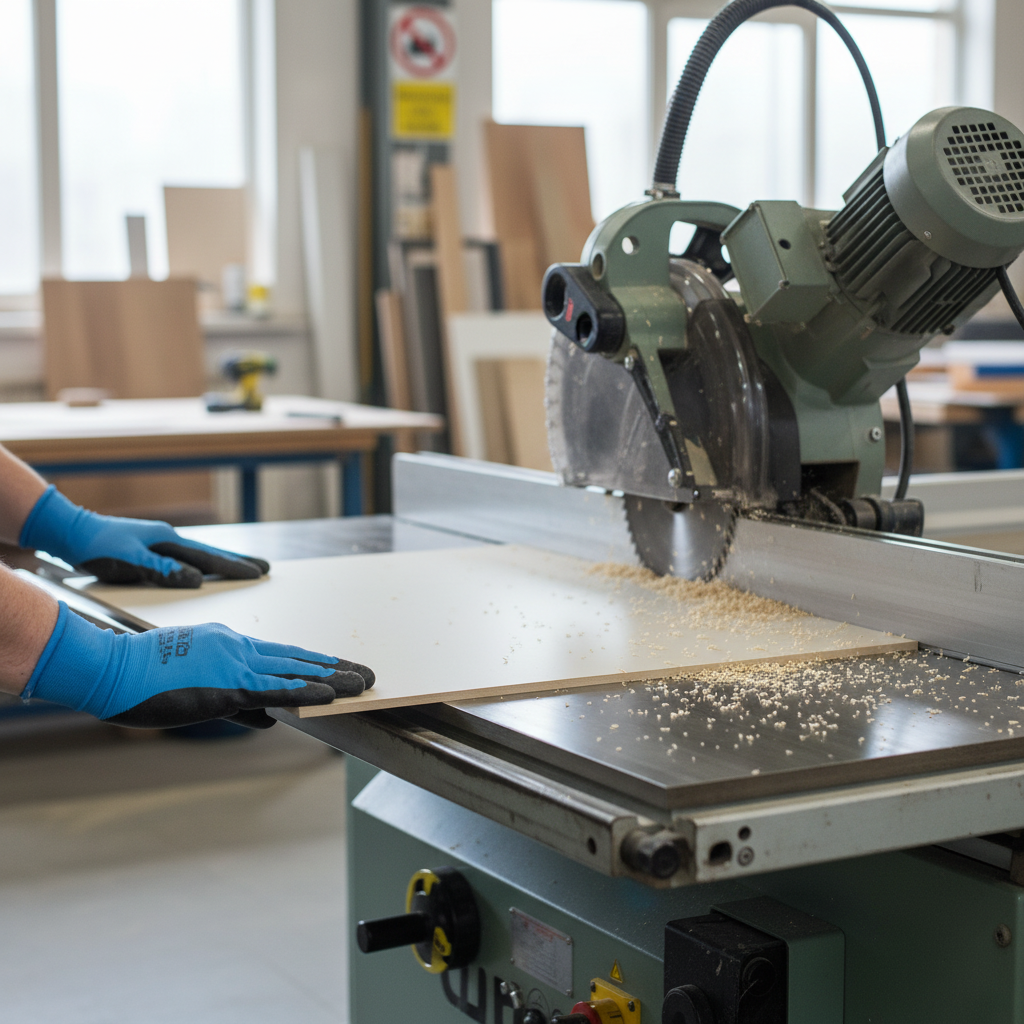
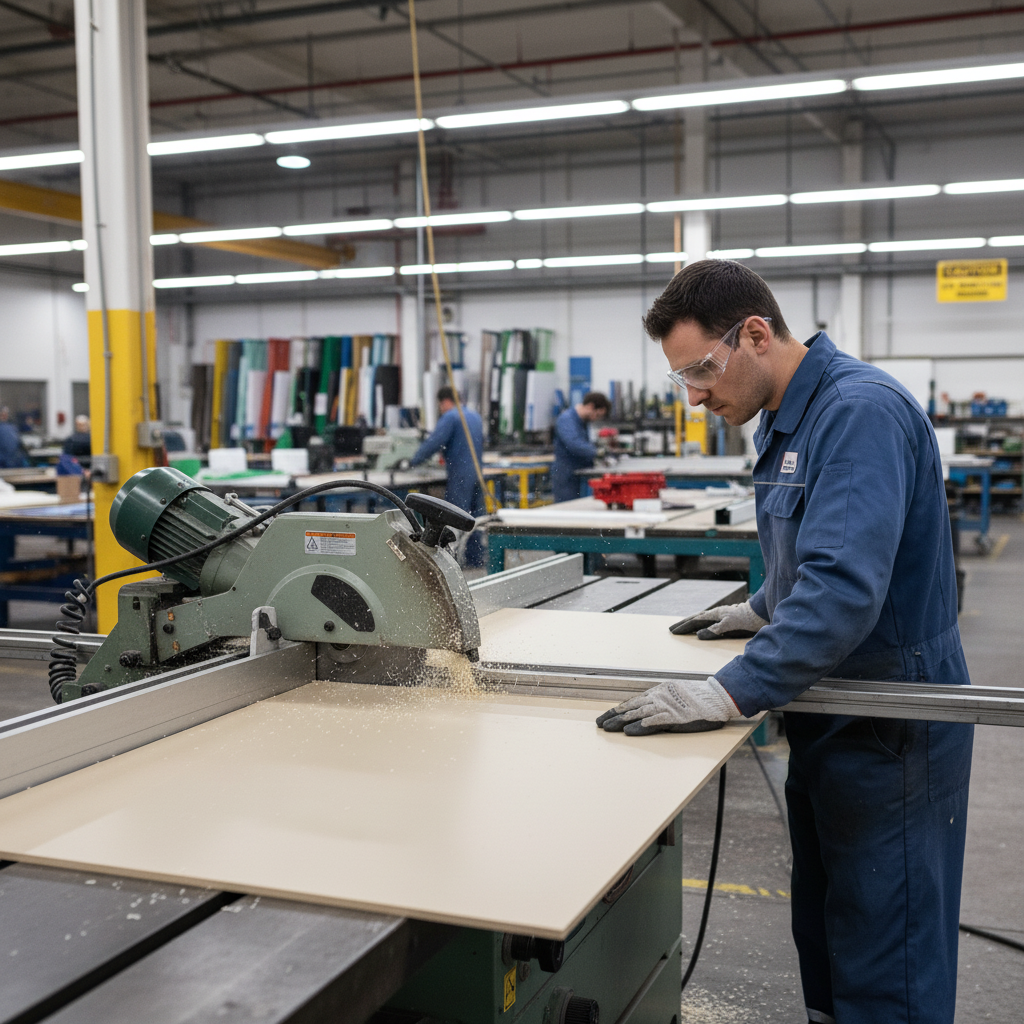
Yes. The sheets can typically be cut using common workshop tools such as circular saws, jigsaws or routers with suitable blades for plastics. Care should be taken to support the sheet properly and to use appropriate cutting speeds to achieve a clean edge.