


Our Clients
Description
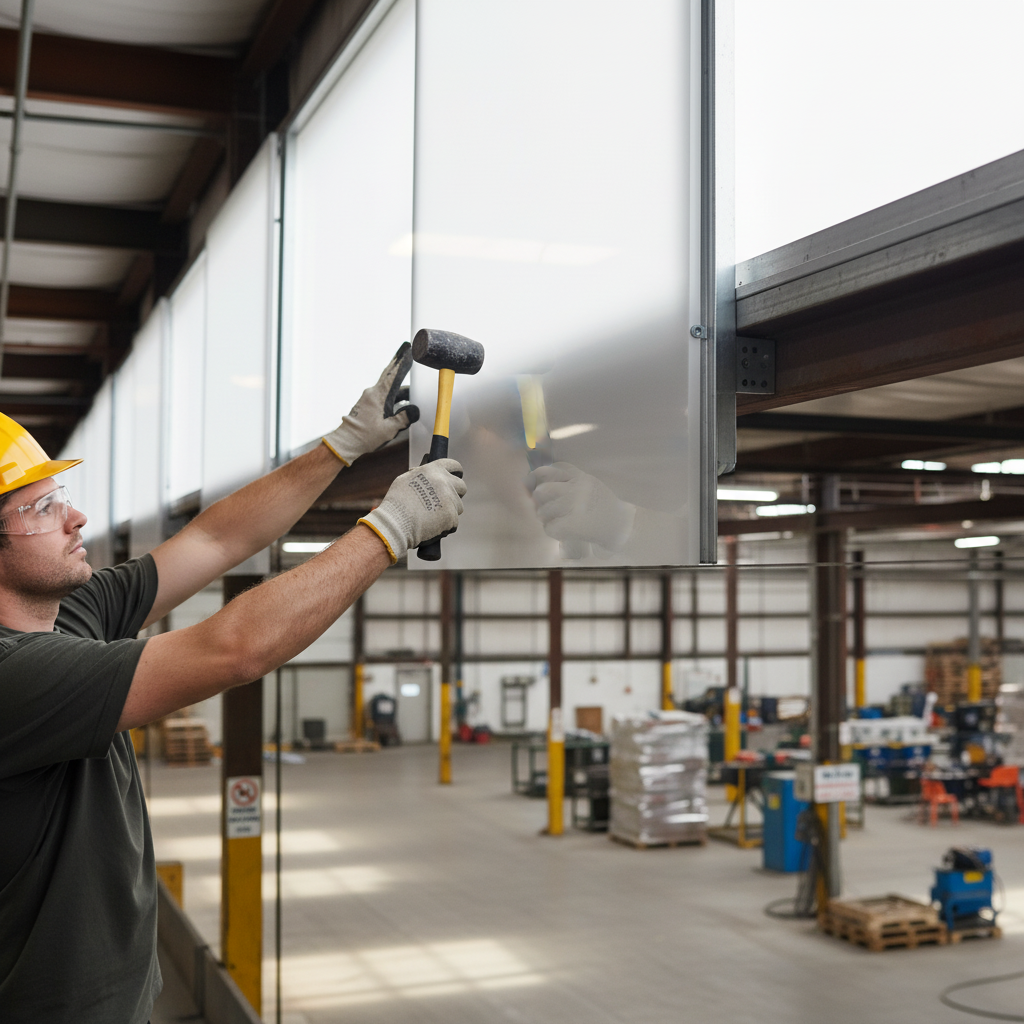
These premium opal polycarbonate sheets provide a high-impact, lightweight glazing solution for demanding architectural, security and industrial environments. Combining excellent strength with a clean opal finish, they offer an attractive alternative to glass where safety and durability are critical.
UV-stabilised for long-term outdoor use and available in a choice of thicknesses and sheet sizes, this versatile material is ideal for light-diffusing roof panels, protective screens, machine guards, security glazing and a wide range of bespoke fabrication projects.
Product Features
- Available thicknesses: 2 mm, 3 mm, 4 mm and 5 mm to suit light-duty to heavy-duty applications.
- Sheet lengths: 1500 mm, 2050 mm and 3050 mm for flexible cutting and minimal waste.
- Sheet widths: 1000 mm, 1520 mm and 2050 mm to accommodate small panels through to large glazing areas.
- Opal (white translucent) finish for controlled light transmission and improved privacy.
- Manufactured from high-impact polycarbonate for outstanding resistance to breakage.
- UV-stabilised surface for improved weathering performance in external applications.
- Lightweight construction for easier handling, transport and installation compared with glass.
Key Features and Benefits
- High impact resistance significantly reduces the risk of breakage, improving safety in public, commercial and industrial settings.
- Opal translucency diffuses light evenly, reducing glare while maintaining good levels of natural illumination.
- UV resistance helps maintain clarity and mechanical performance over time, even in exposed outdoor installations.
- Much lighter than glass, making installation faster and safer, with reduced structural load requirements.
- Easy to cut, drill and fabricate with standard tools, simplifying on-site modifications and custom projects.
- Excellent dimensional stability and rigidity in the thicker options, supporting reliable performance in larger panels.
Specifications
| Specification | Detail |
|---|---|
| Material | Solid polycarbonate, opal (white translucent) finish |
| Available thicknesses | 2 mm, 3 mm, 4 mm, 5 mm |
| Available sheet lengths | 1500 mm, 2050 mm, 3050 mm |
| Available sheet widths | 1000 mm, 1520 mm, 2050 mm |
| UV resistance | UV-stabilised for external use |
| Typical service temperature range | Approximately -20°C to +100°C (application dependent) |
Applications and Ideal Uses
These premium opal polycarbonate sheets are suitable for a wide range of architectural, security and industrial uses where light diffusion, impact resistance and reduced weight are important.
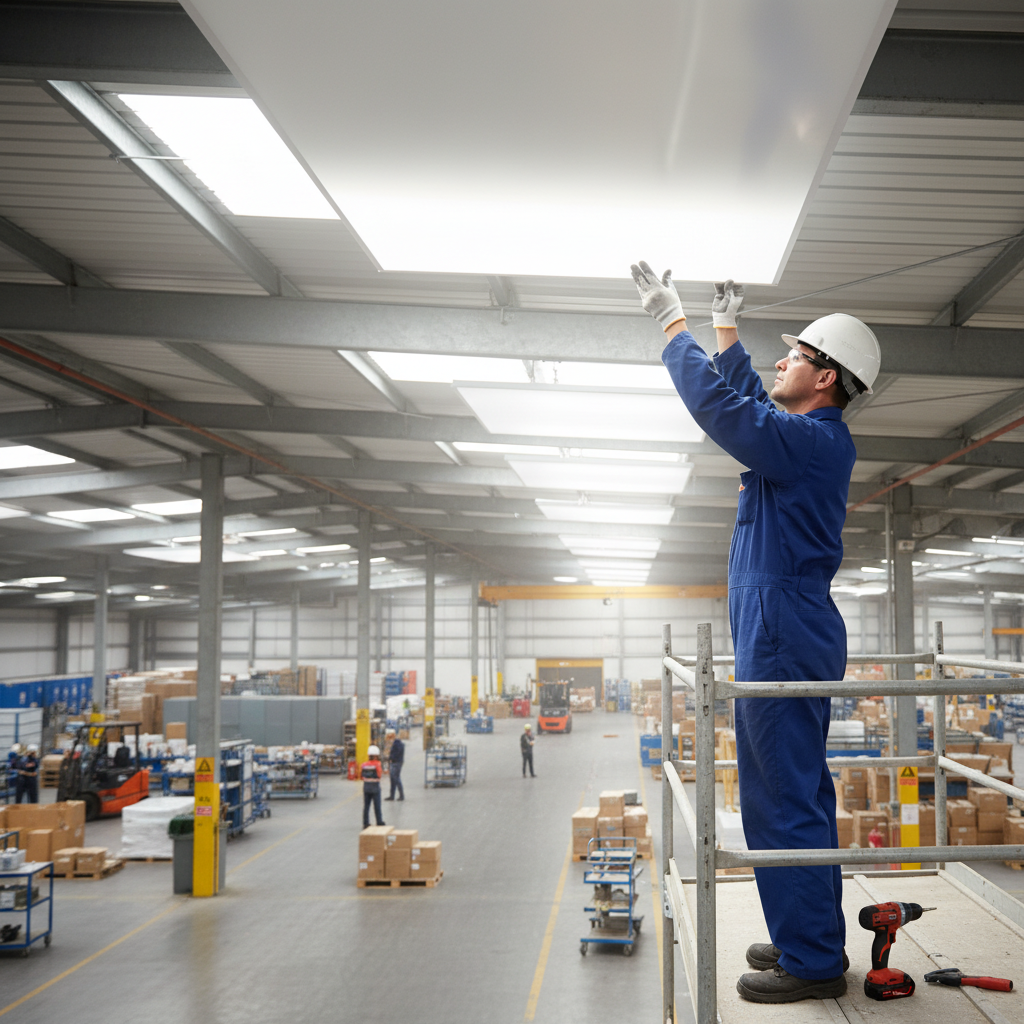
- Canopies, walkways, rooflights and skylights in commercial and public buildings.
- Security and safety glazing in schools, sports facilities and transport hubs.
- Machine guards, safety covers and protective screens in factories and workshops.
- Light diffusers, signage back panels and display constructions in retail and exhibition spaces.
- Partitioning, privacy panels and balustrade infills in offices and interiors.
Frequently Asked Questions
Can these opal polycarbonate sheets be used outdoors?
Yes, the sheets are UV-stabilised and suitable for outdoor use in applications such as canopies, rooflights and external screens. As with any plastic material, overall service life will depend on installation design, exposure conditions and maintenance.
How can I cut and drill the polycarbonate sheets without cracking them?
The sheets can be cut using fine-toothed circular saws or jigsaws and drilled with sharp HSS drill bits. Support the sheet firmly, use moderate feed rates and avoid excessive pressure or heat build-up. Always follow good workshop practice and carry out a test cut on an offcut where possible.
Are these sheets suitable as a direct replacement for glass in all glazing systems?
Polycarbonate is much lighter and more impact resistant than glass, but it has different thermal expansion and rigidity characteristics. In many cases it can be used as an alternative, but glazing frames and fixings should be checked or specified to suit polycarbonate, allowing for expansion and providing adequate support, particularly on larger panels.