


Our Clients
Description
This premium engineering grade polycarbonate clear rod is a high-performance plastic stock material designed for demanding structural and mechanical applications. Offering outstanding clarity combined with excellent rigidity, it provides a strong and reliable alternative to glass and other transparent plastics where impact resistance and dimensional stability are critical.
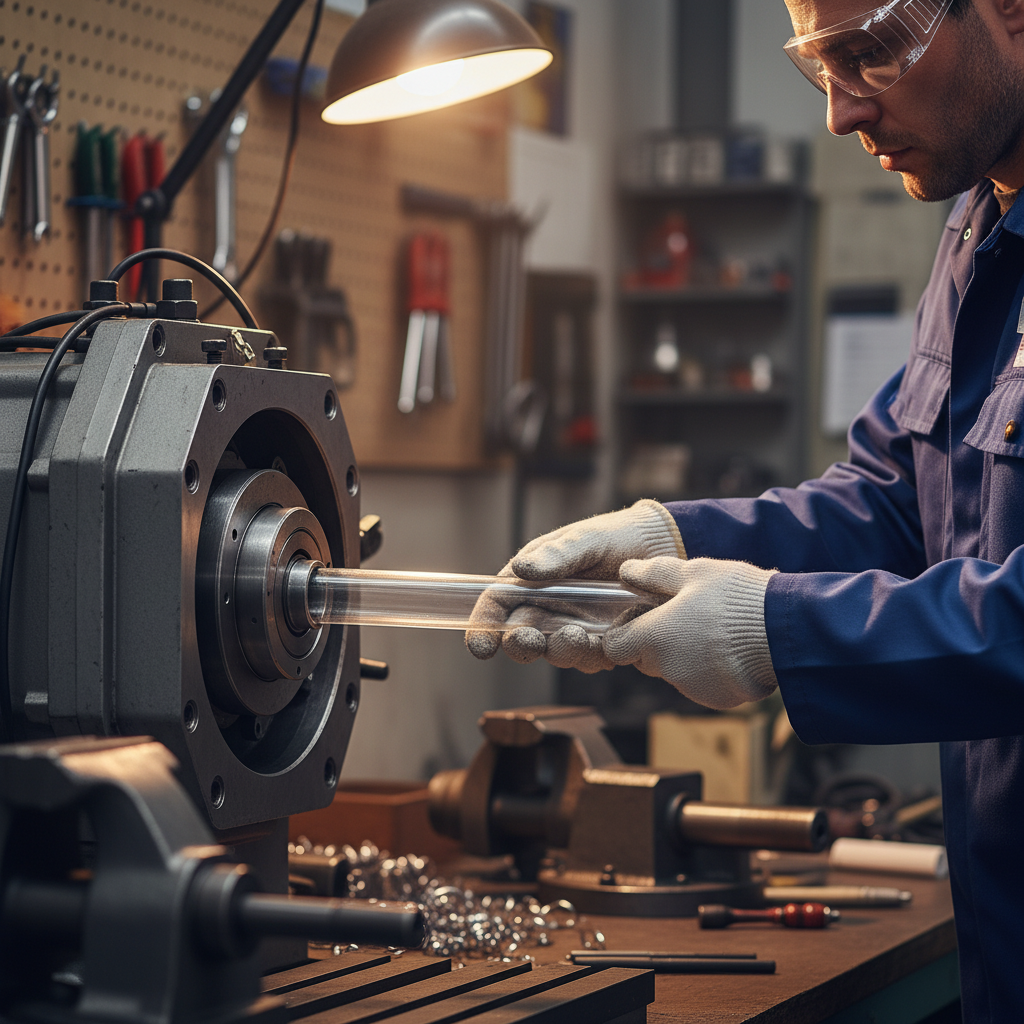
Available in a wide range of diameters and standard lengths, this clear polycarbonate rod is ideal for use in engineering workshops, fabrication facilities, educational settings, display manufacturing and light industrial environments. Its excellent temperature resistance and machinability make it suitable for precision components, guards, jigs, spacers and prototypes.
Product Features
- Manufactured from engineering grade clear polycarbonate for high impact strength and rigidity.
- Available diameters include 10 mm, 12 mm, 16 mm, 20 mm, 25 mm plus a broad selection of additional diameters to suit varied design requirements.
- Standard length options of 500 mm, 1000 mm, 2000 mm and 3000 mm to minimise cutting and waste.
- Excellent optical clarity, allowing light transmission and visual inspection through the rod.
- Good temperature resistance, suitable for use in both ambient and moderately elevated temperature environments.
- Easy to machine, drill, turn and mill using standard workshop tools and equipment.
- Fine, smooth finish suitable for display, protective and functional engineering applications.
Key Features and Benefits
- High impact resistance significantly reduces the risk of breakage compared with glass, enhancing safety in use.
- Excellent rigidity and dimensional stability provide reliable performance in structural and load-bearing components.
- Clear, transparent material enables visual monitoring of processes, movement or fluid levels where required.
- Wide choice of diameters and lengths helps reduce off-cuts and allows closer matching to project specifications.
- Good machinability supports efficient production of custom parts, prototypes and one-off fabrications.
- Resistant to many oils and common industrial environments, helping extend component service life.
Specifications
| Specification | Detail |
|---|---|
| Material | Engineering grade clear polycarbonate |
| Available diameters (mm) | 10, 12, 16, 20, 25 mm plus additional intermediate and larger sizes |
| Standard lengths (mm) | 500, 1000, 2000, 3000 |
| Temperature resistance (typical) | Service temperature typically up to around 115–120°C (load and environment dependent) |
| Appearance | Clear, smooth, cylindrical rod |
| Machining | Suitable for sawing, drilling, turning, milling and polishing with appropriate tooling |
Applications and Ideal Uses
This clear polycarbonate rod is suitable for a wide range of engineering, industrial, educational and display applications where clarity, toughness and stability are required.
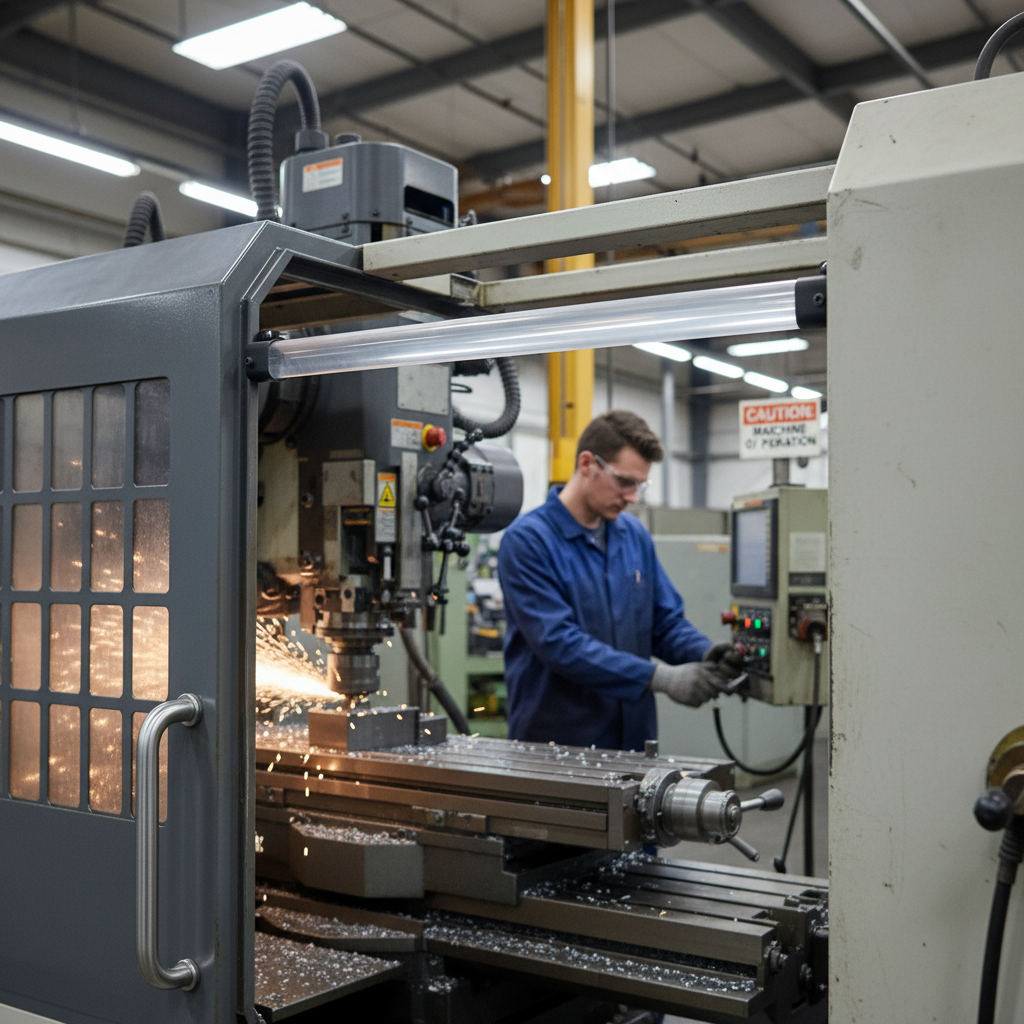
- Fabrication of machine guards, safety components and protective barriers.
- Precision engineering of spacers, bushes, rollers and structural supports.
- Prototyping and model making in design studios, workshops and educational environments.
- Point-of-sale displays, lighting features and decorative structural elements.
- Laboratory, process inspection and instrumentation components where visibility is important.
Frequently Asked Questions
Can this polycarbonate rod be machined using standard workshop tools?
Yes, the rod can be cut, drilled, turned and milled using standard metalworking or woodworking tools, provided sharp cutters and appropriate feeds and speeds are used. Coolant or air can help minimise heat build-up and maintain a good surface finish.
Is the clear polycarbonate rod suitable for outdoor use?
Polycarbonate offers good impact resistance outdoors, but prolonged exposure to sunlight can affect clarity over time if the material is not UV-stabilised. For long-term outdoor applications, additional UV protection or suitable coatings may be required depending on performance expectations.
Can the rod be heated and bent into shape?
Polycarbonate can be thermoformed or bent when heated to an appropriate forming temperature. However, it is important to heat the material evenly and follow correct forming procedures to avoid internal stresses or distortion. For precise formed components, specialist equipment and controlled conditions are recommended.