


Our Clients
Description
This premium high-performance PEEK MOD black rod is a modified engineering plastic featuring a 10% carbon, graphite and PTFE fill, designed for demanding mechanical and thermal applications. Combining outstanding strength, stiffness and wear resistance with low friction performance, it is ideal for precision-machined components that must withstand high loads and continuous service temperatures.
Available in a range of diameters and lengths, this engineering plastic rod is well suited to use in bearings, bushings, wear strips, seals, and structural parts in harsh industrial environments. Its excellent dimensional stability, chemical resistance and high temperature capability make it a reliable choice for applications in aerospace, automotive, food processing equipment, and general machinery.
Product Features
- Manufactured from modified PEEK (polyetheretherketone) with 10% carbon, graphite and PTFE fill for enhanced wear and friction performance.
- Supplied in black rod form, ideal for machining into precision components and wear parts.
- Available diameters: 10 mm, 20 mm, 30 mm, 40 mm, 50 mm, 60 mm and 80 mm to suit a wide range of design requirements.
- Standard lengths: 1000 mm, 2000 mm and 3000 mm, allowing economical cut-to-size production.
- Excellent mechanical strength and stiffness retained over a wide temperature range.
- Very good dimensional stability and machinability using conventional metalworking tools.
- Outstanding resistance to chemicals, hydrolysis and high-temperature environments.
Key Features and Benefits
- High temperature performance: suitable for continuous use at elevated temperatures, helping components maintain integrity in demanding thermal conditions.
- Low friction and reduced wear: carbon, graphite and PTFE additives lower the coefficient of friction, extending service life of sliding and rotating parts.
- Excellent mechanical strength: supports high loads and impact, enabling reliable use in structural and load-bearing components.
- Chemically resistant: resists a wide range of oils, greases, solvents and process media, reducing the risk of stress cracking and premature failure.
- Dimensional stability: low creep and good resistance to deformation under load help maintain tight tolerances after machining.
- Versatile machining: rods can be turned, milled, drilled and threaded using standard equipment, simplifying prototyping and production runs.
Specifications
| Specification | Detail |
|---|---|
| Material | Modified PEEK (polyetheretherketone) with 10% carbon, graphite and PTFE fill |
| Colour | Black |
| Available diameters | 10 mm, 20 mm, 30 mm, 40 mm, 50 mm, 60 mm, 80 mm |
| Standard lengths | 1000 mm, 2000 mm, 3000 mm |
| Form | Solid round rod for machining |
| Typical properties | High mechanical strength, excellent wear resistance, low friction, high temperature and chemical resistance |
Applications and Ideal Uses
This high-performance PEEK MOD black rod is suitable for a wide range of industrial and engineering applications where a combination of strength, wear resistance and high temperature capability is essential.
- Bearings, bushings and wear rings in high-load and high-temperature machinery.
- Sliding and guiding elements, wear strips and chain guides in conveyor systems.
- Seals, valve seats and pump components exposed to aggressive media.
- Precision machined parts in aerospace, automotive and power transmission assemblies.
- Food processing and packaging equipment components where low friction and durability are required.
Frequently Asked Questions
Can this PEEK MOD rod be machined using standard metalworking equipment?
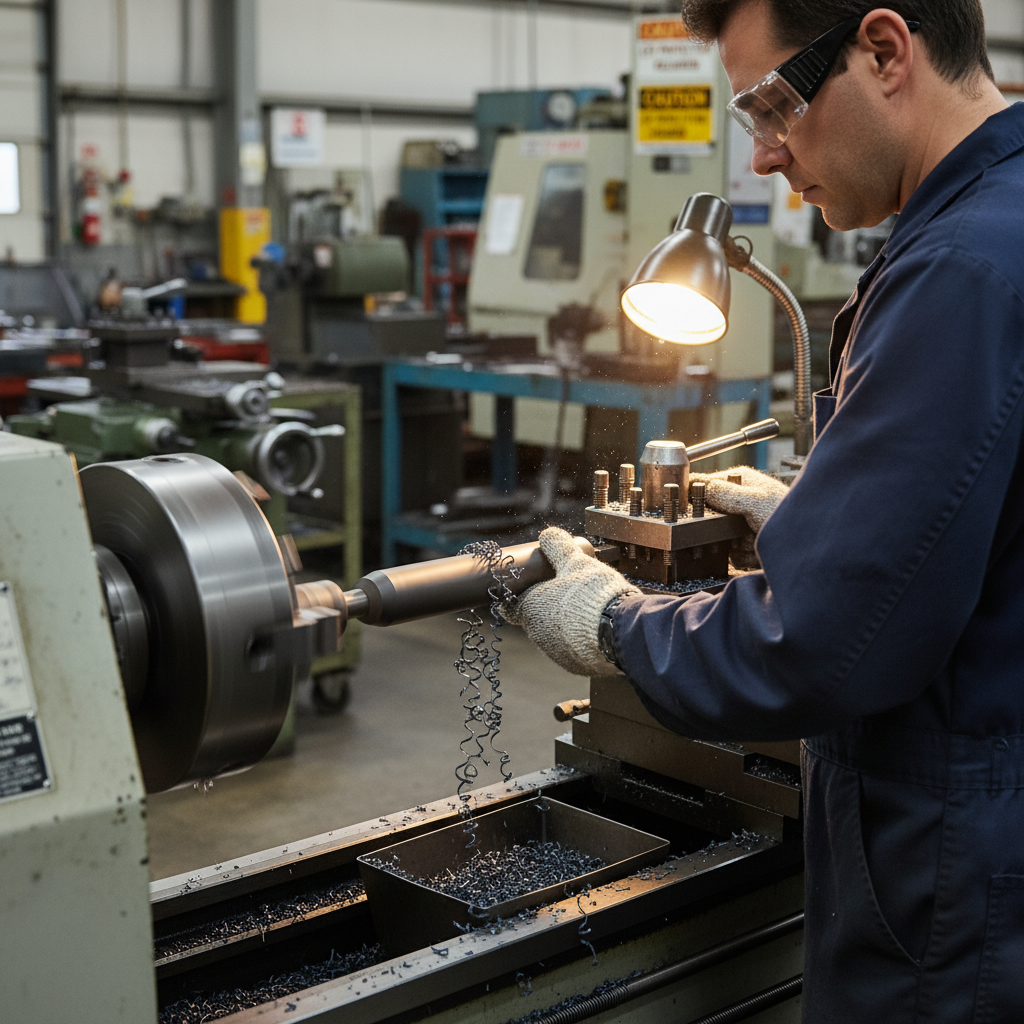
Yes, the rod can be machined using conventional metalworking tools such as lathes and milling machines. Sharp tools, appropriate cutting speeds and proper support are recommended to achieve good surface finish and maintain dimensional accuracy.
Is this material suitable for continuous use at high temperatures?
Yes, modified PEEK with carbon, graphite and PTFE fill is designed for continuous service at elevated temperatures while maintaining its mechanical strength and wear resistance. It is often selected for applications where standard engineering plastics would soften or degrade.
Which diameter and length should I choose for my application?
Select a diameter that allows sufficient material for machining your finished component, including allowances for tolerances and any surface finishing. Choose the closest standard length (1000 mm, 2000 mm or 3000 mm) that minimises waste when cutting your required parts.