



Our Clients
Description
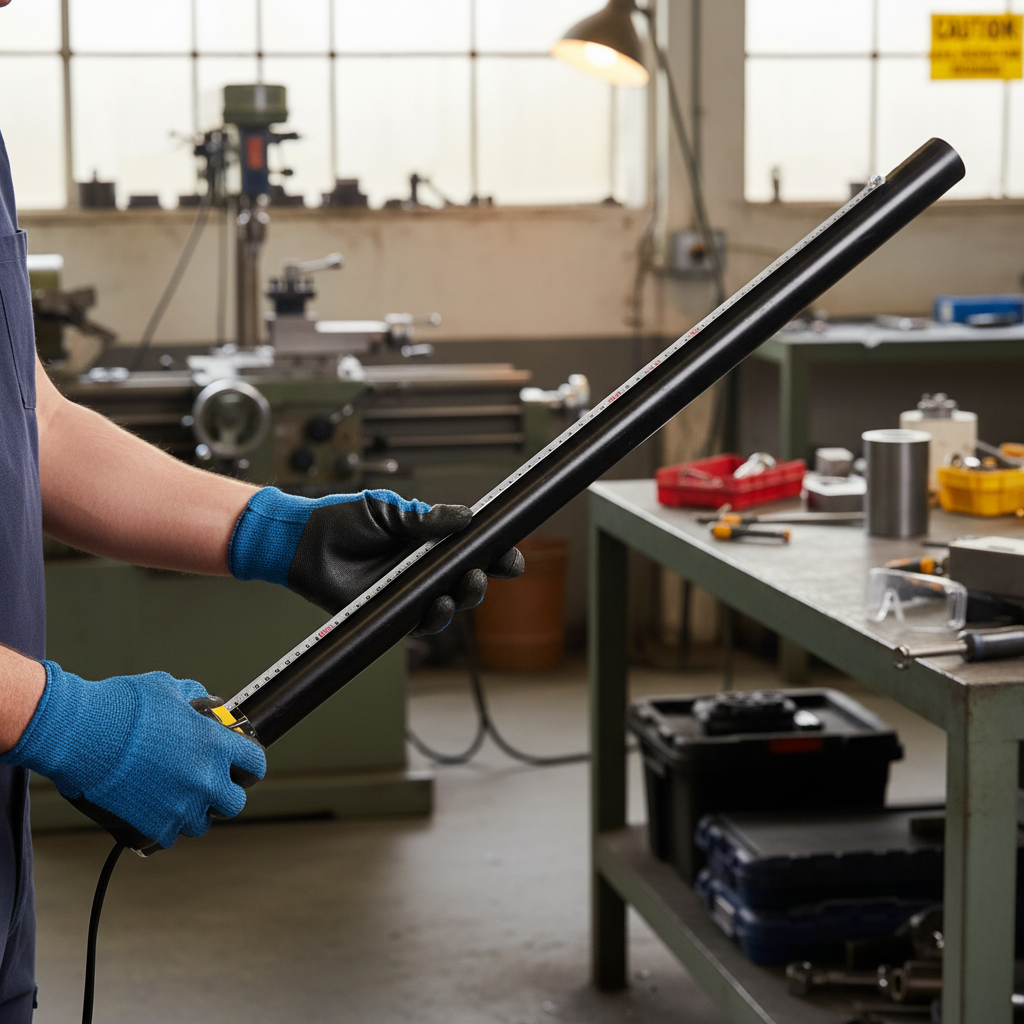
This premium oil filled Nylon 6 black rod is a high‑performance engineering plastic designed for demanding mechanical applications. By incorporating lubricant directly into the polymer matrix, it offers enhanced self‑lubricating properties, reduced friction and improved wear resistance compared with standard nylon rod.
Ideal for use in mechanical engineering, maintenance and OEM component manufacture, this material is widely used for bushes, bearings, wear strips, gears and structural machine parts. Available in a wide choice of diameters and lengths, it provides a durable, machinable solution where long service life and low maintenance are essential.
Product Features
- Manufactured from oil filled Nylon 6 engineering plastic for reduced friction and improved wear performance.
- Supplied in solid black rod, providing a professional appearance and easy identification in assemblies.
- Available diameters include 50, 55, 60, 70 and 80 mm, plus a further range of intermediate and larger sizes to suit varied design requirements.
- Standard lengths of 1000 mm, 2000 mm and 3000 mm for flexibility in cutting, machining and stockholding.
- Good mechanical strength and rigidity, suitable for load‑bearing components and dynamically stressed parts.
- Excellent machining characteristics, allowing precise turning, milling, drilling and boring on conventional equipment.
- Enhanced sliding properties compared with unfilled Nylon 6, helping to minimise stick‑slip and running noise.
Key Features and Benefits
- Self‑lubricating performance – built‑in oil reduces the need for external lubrication, helping to cut maintenance time and cost.
- Extended component life – lower friction and improved wear resistance support longer‑lasting bushes, bearings and wear parts.
- Weight saving versus metal – significantly lighter than steel or bronze, helping to reduce overall equipment weight and ease handling.
- Reduced noise and vibration – damping properties and smoother sliding action can help to quieten mechanical systems.
- Easy to machine – rods can be turned and machined to tight tolerances, enabling the manufacture of complex custom components.
- Corrosion‑free construction – unaffected by rust and many industrial environments, supporting reliable performance in service.
Specifications
| Specification | Detail |
|---|---|
| Material | Oil filled Nylon 6 (polyamide 6) engineering plastic |
| Colour | Black |
| Available diameters | 50 mm, 55 mm, 60 mm, 70 mm, 80 mm plus a further 17 diameter options across the range |
| Standard lengths | 1000 mm, 2000 mm, 3000 mm |
| Typical operating temperature | Approx. -40°C to +100°C (application dependent) |
| Machinability | Suitable for turning, milling, drilling and sawing using standard metalworking or plastics tooling |
Applications and Ideal Uses
This oil filled Nylon 6 rod is suitable for a wide variety of mechanical and industrial applications where reduced friction, good wear resistance and reliable load‑bearing performance are required.
- Bushes, plain bearings and wear rings in machinery and handling equipment.
- Gears, sprockets and drive components in mechanical and automation systems.
- Wear strips, guides and support pads on conveyors and material handling lines.
- Custom machined components for jigs, fixtures and industrial plant.
- Replacement parts for maintenance, repair and overhaul in engineering workshops.
Frequently Asked Questions
How does oil filled Nylon 6 differ from standard Nylon 6 rod?
Oil filled Nylon 6 contains a lubricant distributed throughout the material, giving it lower friction and improved wear resistance compared with standard Nylon 6. This can reduce the need for external lubrication and extend the service life of sliding or rotating parts.
Can this nylon rod be machined on conventional workshop equipment?
Yes. The rod can be machined using standard metalworking or plastics machining equipment, such as lathes, mills and saws. Sharp tooling and appropriate cutting speeds are recommended to achieve clean finishes and maintain dimensional accuracy.
Is this material suitable for continuous operation at high temperatures?
The rod is suitable for many applications within a typical temperature range up to around 100°C, depending on load and design. For continuous operation near the upper temperature limit or in particularly demanding conditions, the specific application should be assessed to confirm suitability.