


Our Clients
Description
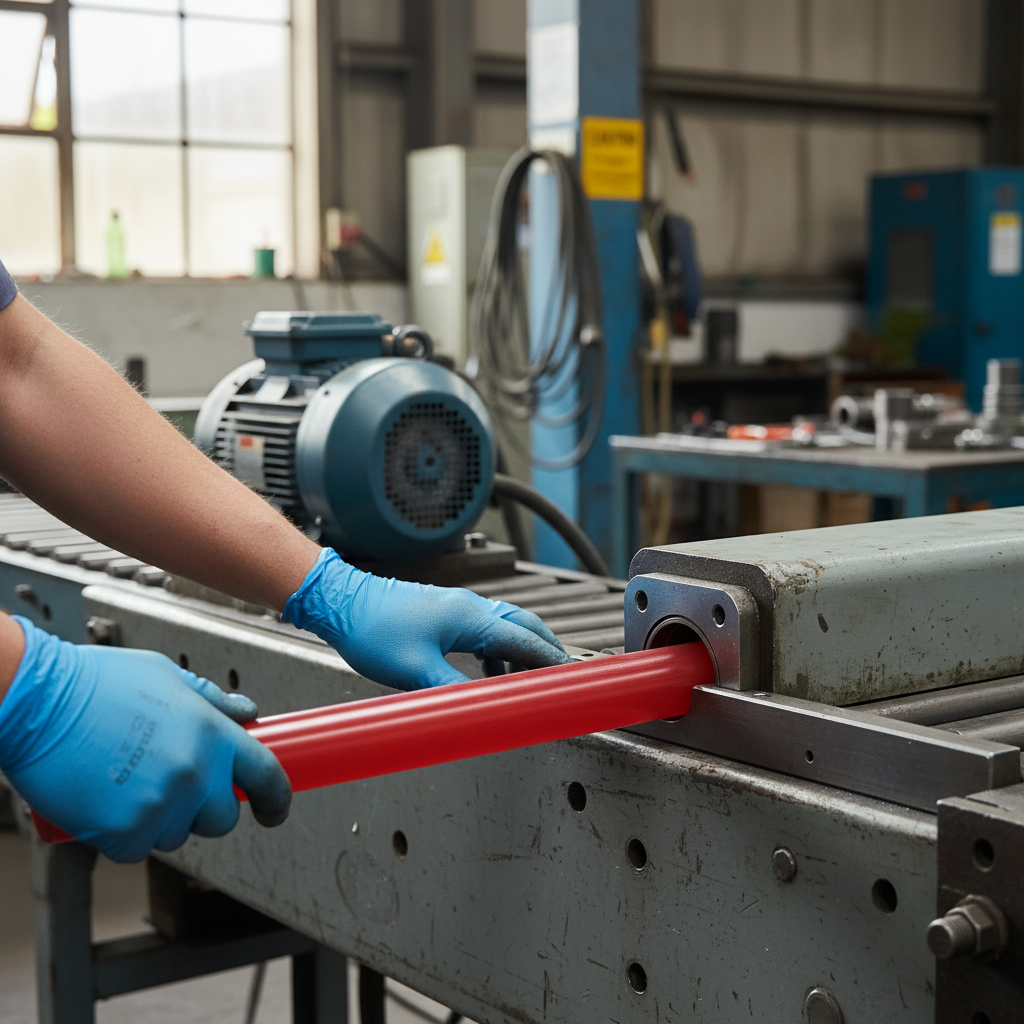
This premium nylon 6 lubricant filled red rod is an engineering-grade plastic stock shape designed for demanding sliding and wear applications. Its built-in lubrication significantly reduces friction, helping to minimise noise, stick-slip and wear in moving assemblies.
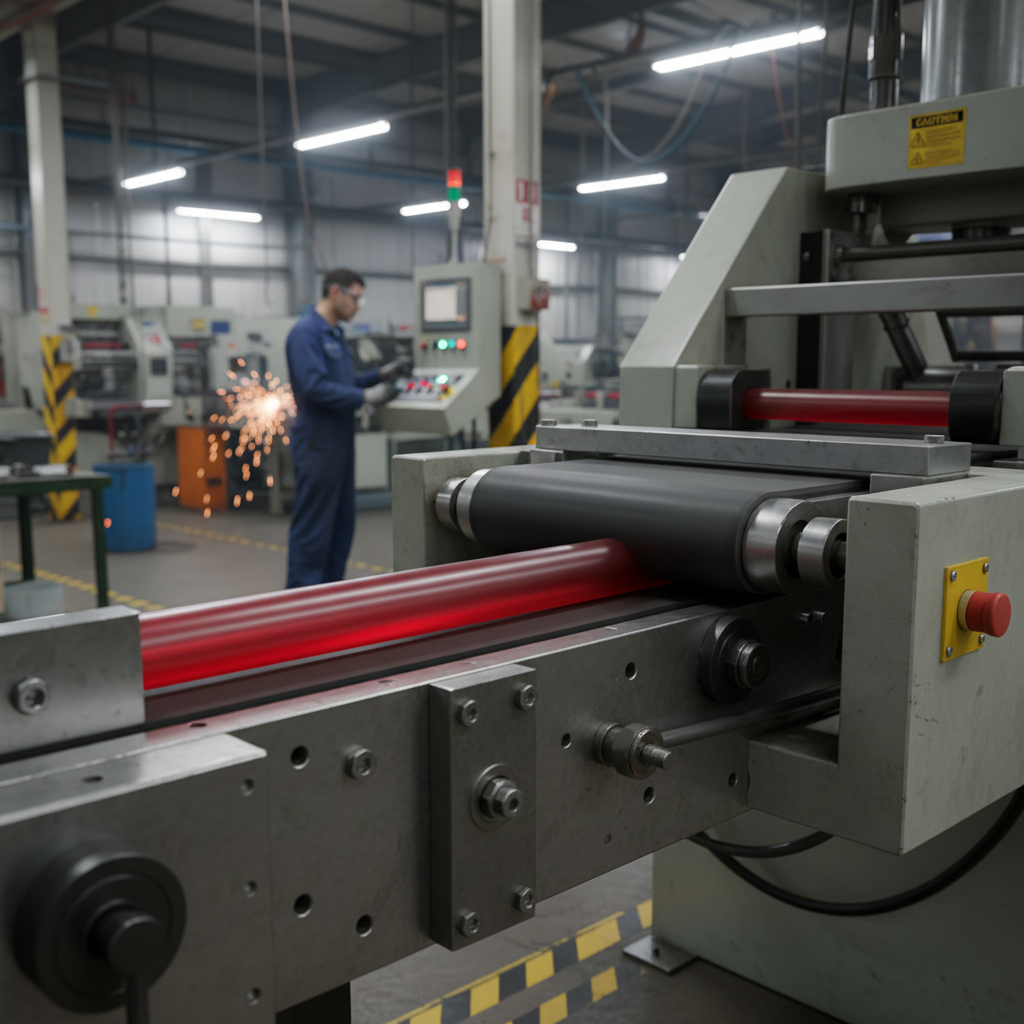
Offering excellent wear resistance, impact strength and good food contact compliance, these rods are ideal for use in food processing machinery, material handling equipment, packaging lines and general mechanical engineering. Supplied in a distinctive red colour for quick visual identification, they provide a durable, machinable alternative to metal components in a wide range of industrial environments.
Product Features
- Material: lubricant filled nylon 6 engineering plastic for enhanced sliding performance.
- Colour: solid red for easy identification and visual segregation from standard nylon grades.
- Diameters available: 20 mm, 25 mm, 30 mm, 40 mm, 50 mm plus a further range of standard diameters to suit most design requirements.
- Standard lengths: supplied in 1000 mm and 2000 mm rods for flexible machining options.
- High wear resistance and low friction surface, ideal for continuous or repetitive sliding contact.
- Good mechanical strength and stiffness, suitable for load-bearing components.
- Food contact compliant grade, appropriate for many food and beverage processing applications.
Key Features and Benefits
- Reduced friction and wear extend the service life of components such as bushes, guides and sliders, cutting maintenance downtime.
- Self-lubricating formulation helps reduce or eliminate the need for additional lubricants, improving cleanliness in food and packaging environments.
- Excellent machinability allows the rod to be turned, milled or drilled into custom parts with standard workshop equipment.
- High impact and fatigue resistance make it suitable for dynamic applications with repeated loading and vibration.
- Low moisture absorption compared with standard nylons aids dimensional stability and consistent performance in humid conditions.
- Bright red colour supports clear material identification and assists with colour-coded component systems in plant and machinery.
Specifications
| Specification | Detail |
|---|---|
| Material | Lubricant filled nylon 6 (polyamide 6) engineering plastic |
| Colour | Red, solid through-colour |
| Available diameters | 20 mm, 25 mm, 30 mm, 40 mm, 50 mm plus additional standard diameters |
| Available lengths | 1000 mm and 2000 mm standard rod lengths |
| Temperature range (typical) | Approximately -40 °C to +100 °C in dry conditions (application dependent) |
| Food contact | Grade suitable for many food contact applications; verify compliance for specific regulations and uses |
Applications and Ideal Uses
This lubricant filled nylon 6 red rod is particularly suited to bearing, guiding and wear parts where food compliance, low friction and long service life are essential.
- Guide rails, wear strips and sliding blocks on conveyors and packaging machinery.
- Bushes, bearings and rollers in food processing and bottling equipment.
- Low-friction cams, pulleys and chain guides in automated production lines.
- Impact-resistant spacers, buffer blocks and pads in material handling systems.
- General machined components where a strong, lightweight and wear-resistant material is required.
Frequently Asked Questions
Can this nylon 6 lubricant filled rod be used in direct contact with food products?
The grade is designed to meet common food contact requirements and is suitable for many food processing and packaging applications. However, you should always confirm compliance with the specific food contact regulations relevant to your process and region, and ensure the finished machined part is cleaned and handled appropriately before use.
How do I machine the rod into finished components?
The rod can be machined using standard metalworking tools such as lathes, mills and drills with sharp, well-supported tooling. Use moderate cutting speeds, avoid excessive heat build-up, and allow for slight thermal expansion and any potential moisture-related dimensional changes when working to tight tolerances.
Which diameter and length should I choose for my application?
Select a diameter that provides sufficient material for your finished part plus machining allowances, while keeping waste to a minimum. For longer components or multiple parts from one bar, choose between the 1000 mm and 2000 mm lengths to optimise yield. If you are unsure, consider the largest finished dimension and consult typical machining allowances before ordering.