


Our Clients
Description
This premium Nylon 6 PE filled green rod is a high-performance engineering plastic stock shape designed for demanding mechanical applications. Manufactured from polyethylene-filled Nylon 6, it delivers an excellent balance of strength, toughness and dimensional stability, making it ideal for precision-machined components.
Offering outstanding abrasion resistance and low friction characteristics, this engineering rod is widely used for wear parts, bearings, guides and structural components in automotive, machinery, conveying, agricultural and general industrial environments. Supplied in a range of diameters and lengths, it provides a versatile solution for both one-off prototypes and production runs.
Product Features
- Material: PE filled Nylon 6 for enhanced wear resistance and reduced friction.
- Distinctive green colour for easy material identification in mixed plastic inventories.
- Available diameters from 50 mm, 60 mm, 70 mm, 80 mm and 90 mm plus 11 additional diameter options to suit a wide range of machined parts.
- Standard lengths of 500 mm, 1000 mm, 2000 mm and 3000 mm for flexible cutting and machining options.
- High mechanical strength and rigidity suitable for load-bearing and structural components.
- Good dimensional stability and machinability for accurate, repeatable part production.
- Excellent abrasion resistance for sliding, guiding and wear-intensive applications.
Key Features and Benefits
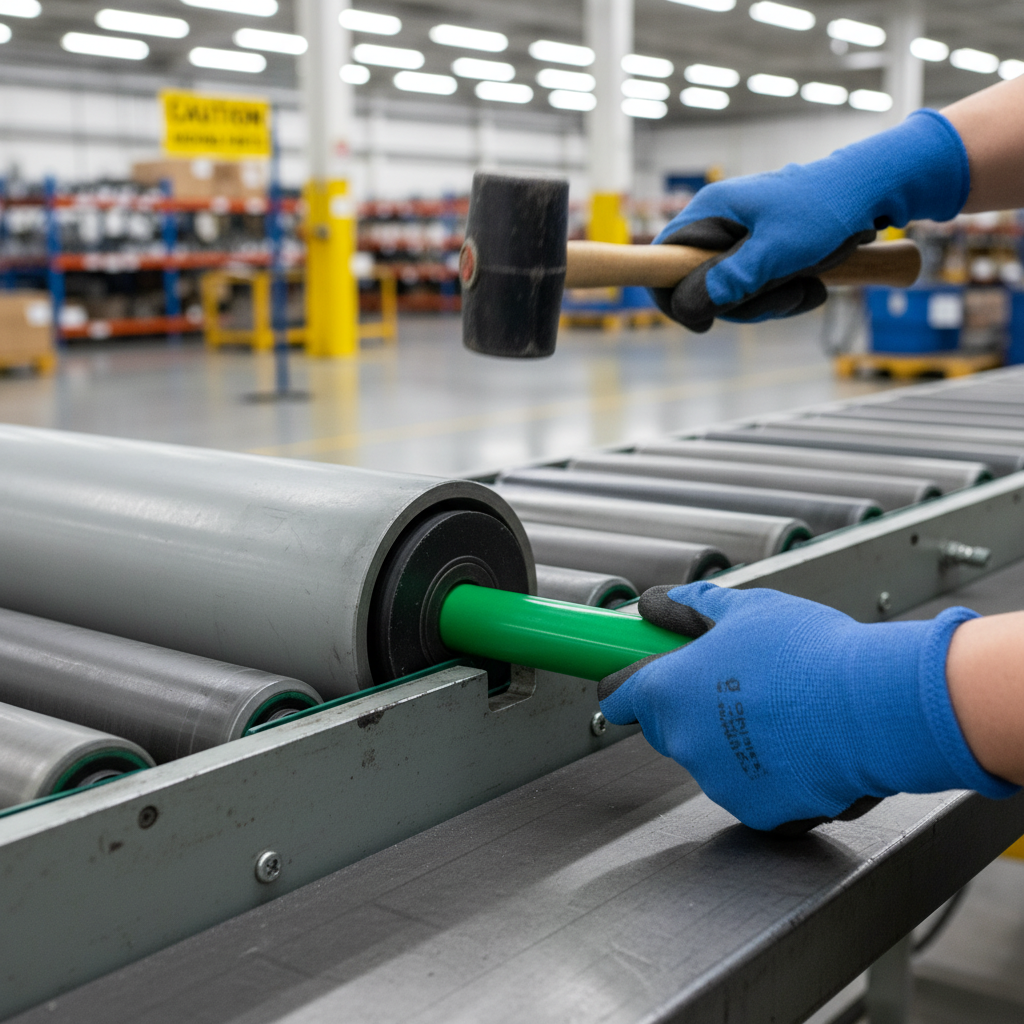
- Withstands demanding mechanical loads, helping to extend service life of components such as bushings, rollers and gears.
- Low friction and excellent wear resistance reduce maintenance downtime and the need for lubrication in many applications.
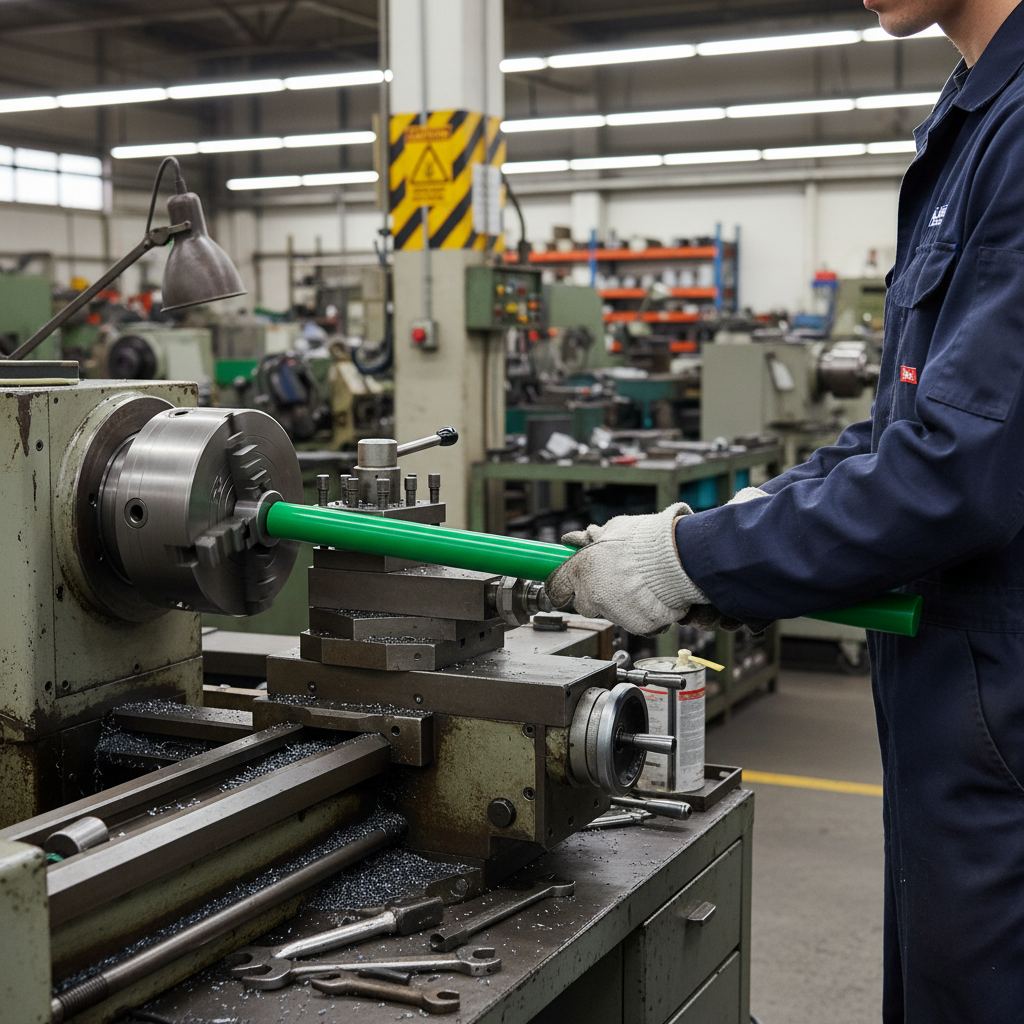
- Good machinability with conventional metalworking tools streamlines production and prototyping, saving time and costs.
- Broad diameter and length range minimises waste by allowing closer matching of stock size to final component dimensions.
- Stable performance under continuous use improves reliability of machinery and equipment in industrial environments.
- Corrosion-resistant engineering plastic alternative to metal, helping to reduce weight and avoid rust-related failures.
Specifications
| Specification | Detail |
|---|---|
| Material | PE filled Nylon 6 (polyamide 6 with polyethylene filling) |
| Colour | Green |
| Available diameters | 50 mm, 60 mm, 70 mm, 80 mm, 90 mm plus 11 further diameter options |
| Available lengths | 500 mm, 1000 mm, 2000 mm, 3000 mm |
| Mechanical properties | High tensile strength, rigidity and impact resistance (typical of engineering-grade Nylon 6) |
| Typical applications | Bearings, bushes, rollers, gears, wear strips, guides and structural engineering parts |
Applications and Ideal Uses
This Nylon 6 PE filled green rod is suitable for a wide variety of engineering and industrial uses where high mechanical strength, wear resistance and reliable machinability are essential.
- Machined bearings, bushes, rollers and wear rings in conveyors and material handling equipment.
- Gears, cams and drive components in machinery and automated systems.
- Wear strips, guides and slider components for packaging and processing lines.
- Structural and support components in agricultural, automotive and plant equipment.
- General engineering prototypes and production parts requiring durable, low-friction plastic.
Frequently Asked Questions
Can this Nylon 6 PE filled rod be machined with standard workshop tools?
Yes, the rod can be machined using standard metalworking tools such as lathes, mills and saws. Sharp tools and appropriate cutting speeds are recommended to achieve a good surface finish and maintain dimensional accuracy.
Is the green colour purely cosmetic or does it affect performance?
The green colour is primarily for easy visual identification and stock control; it does not significantly affect the mechanical performance of the Nylon 6 PE filled material.
How do I choose the correct diameter and length for my application?
Select a diameter that comfortably exceeds the largest finished dimension of your part, allowing for machining allowances, and choose the nearest standard length (500 mm, 1000 mm, 2000 mm or 3000 mm) that minimises offcuts while providing enough material for all required components.