


Our Clients
Description
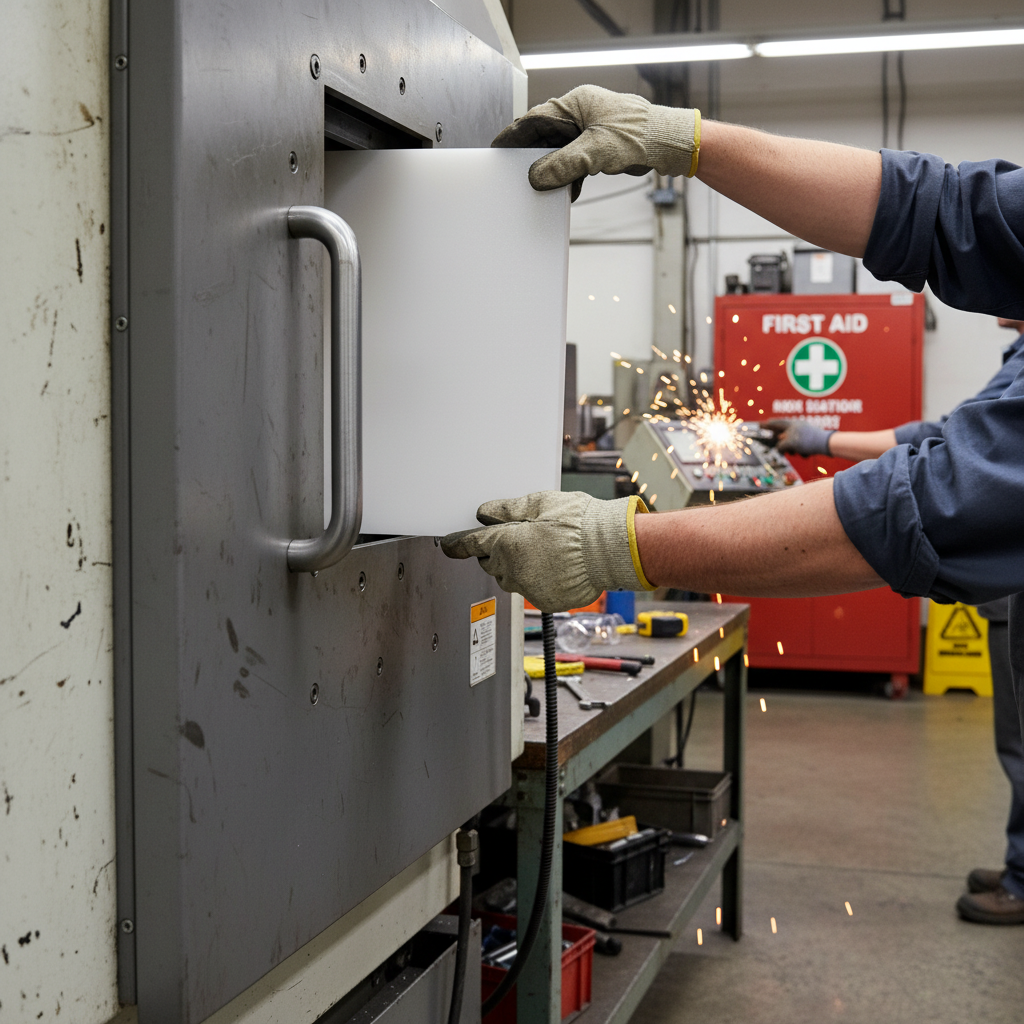
This premium Nylon 6 cast natural sheet is a high-performance engineering plastic designed for demanding mechanical and industrial applications. Offering excellent strength, wear resistance and dimensional stability, it is ideal for precision components manufactured via CNC machining, routing or traditional fabrication techniques.
Supplied in a natural (off-white) finish and available in a wide choice of thicknesses, this Nylon 6 sheet is commonly used for bearings, gears, wear plates, guide rails and structural parts across engineering, automotive, food processing and general manufacturing environments.
Product Features
- Manufactured from high-quality cast Nylon 6 engineering plastic for superior mechanical performance.
- Natural (off-white) sheet finish for easy visual inspection and component marking.
- Available thicknesses include 8, 10, 12, 16 and 20 mm, plus a further range of sizes to suit varied design requirements.
- Excellent wear and abrasion resistance, ideal for sliding and rotating applications.
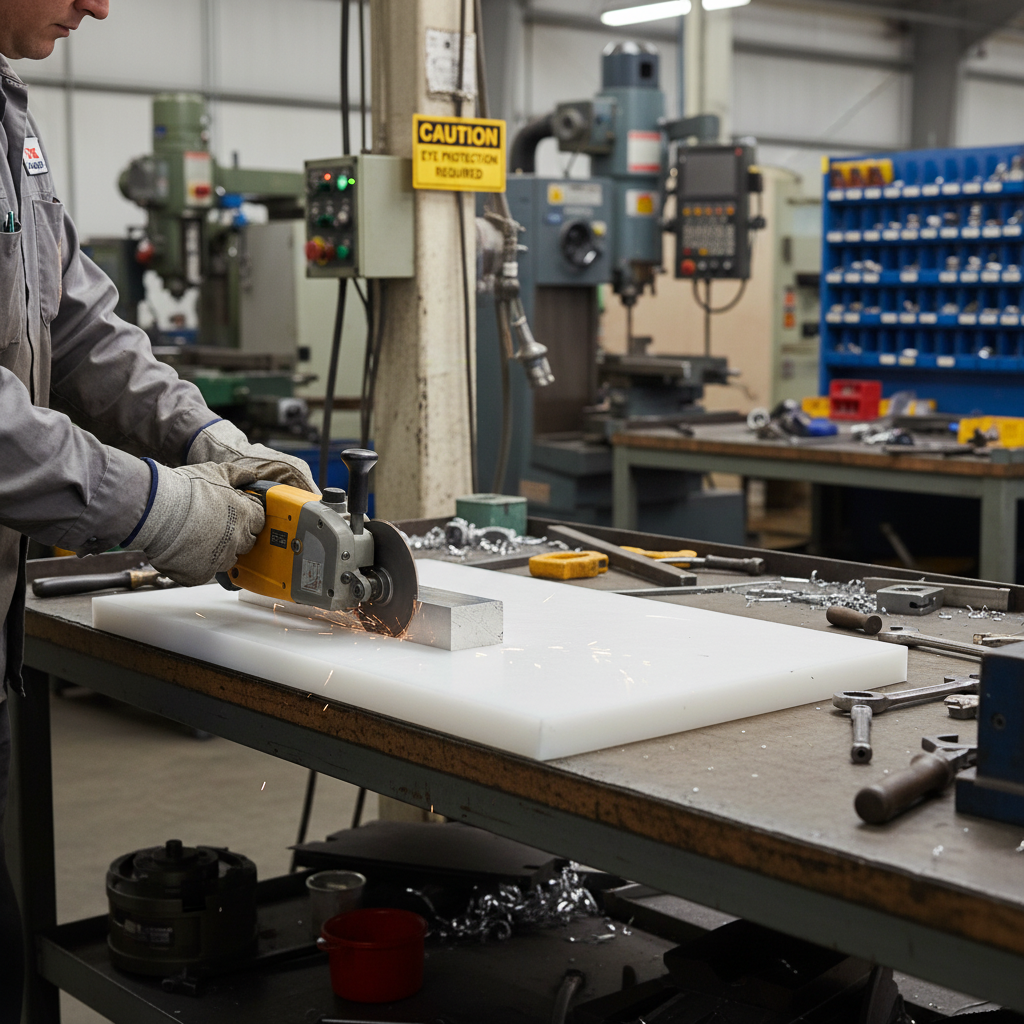
- Good machinability for CNC milling, turning, routing and drilling operations.
- Low coefficient of friction to reduce noise and energy consumption in moving assemblies.
- Good resistance to many oils, greases and common industrial chemicals.
Key Features and Benefits
- High mechanical strength: Supports heavy loads and repeated impact, making it suitable for stressed structural and drive components.
- Enhanced wear life: Excellent abrasion resistance extends service intervals for parts such as bushes, gears and wear strips.
- Easy to machine: Stable and predictable to work with on CNC machines, helping to achieve tight tolerances and smooth surface finishes.
- Reduced friction and noise: Low friction surface improves efficiency and helps cut down vibration and operational noise.
- Dimensional stability: Maintains shape under load and temperature variation, supporting reliable performance in service.
- Versatile thickness options: Multiple sheet thicknesses available, minimising waste and simplifying design for different duty levels.
Specifications
| Specification | Detail |
|---|---|
| Material | Cast Nylon 6 (polyamide 6), natural |
| Colour | Natural / off-white |
| Available thicknesses (mm) | 8, 10, 12, 16, 20 mm (plus additional thickness options available to order) |
| Typical service temperature | Approximately -40°C to +100°C (short-term higher temperatures possible depending on application) |
| Mechanical properties | High tensile and impact strength with very good wear resistance for dynamic applications |
| Processing methods | Suitable for CNC machining, drilling, turning, milling, routing and cutting |
Applications and Ideal Uses
This Nylon 6 cast natural sheet is suitable for a wide range of engineering and mechanical projects where durable, low-friction components are required.
- CNC machined gears, sprockets, pulleys and chain guides.
- Wear strips, slideways, conveyor components and guide rails.
- Bushes, bearings, rollers and support pads for moving equipment.
- Structural and protective panels, guards and machine components.
- Precision engineered parts for automotive, packaging and processing machinery.
Frequently Asked Questions
Is Nylon 6 cast natural sheet easy to machine on standard CNC equipment?
Yes, Nylon 6 cast sheet is well suited to CNC machining as well as conventional machining methods. Sharp tools, appropriate cutting speeds and effective chip removal are recommended to achieve clean edges and accurate tolerances.
Can this Nylon 6 sheet be used outdoors or in damp environments?
Nylon 6 has good mechanical strength and wear resistance, but it can absorb some moisture over time, which may cause slight dimensional changes. It can be used in damp or outdoor environments with this in mind, but critical tolerance components should be designed to allow for possible expansion.
How do I choose the right thickness of Nylon 6 sheet for my application?
Select the thickness based on the loads, span, operating conditions and type of component being produced. Thinner sheets (such as 8–12 mm) are typically suitable for lighter duty parts or smaller components, while thicker options (16–20 mm and above) are better for highly loaded structural pieces. If in doubt, consult your design calculations or an engineer to confirm suitability.