


Our Clients
Description
This premium heavy duty nylon 6 extruded black sheet is a high-performance engineering plastic designed for demanding mechanical and structural applications. Offering outstanding wear resistance, strength and impact performance, it is an excellent alternative to metal in many components, helping to reduce weight and noise while maintaining reliability.
With high chemical resistance and excellent dimensional stability, this nylon 6 sheet maintains its shape and performance under load, temperature variation and in contact with oils, greases and many industrial chemicals. Available in a range of thicknesses and sheet sizes, it is ideally suited to machining into precision parts for use in engineering, manufacturing, automotive, food processing and general industrial environments.
Product Features
- Material: extruded nylon 6 engineering plastic in a solid black finish for a professional, uniform appearance.
- High chemical resistance to oils, greases, fuels and many industrial chemicals, ideal for harsh environments.
- Excellent dimensional stability, with low moisture uptake compared to other polyamides, helping to maintain tight tolerances.
- Available thicknesses from 3 mm, 4 mm, 5 mm, 6 mm, 8 mm and many additional thickness options to suit different design and load requirements.
- Standard sheet lengths of 500 mm, 1000 mm, 2000 mm and 3000 mm to minimise waste and machining time.
- Sheet widths offered in 620 mm and 1000 mm formats for flexibility in nesting and part layout.
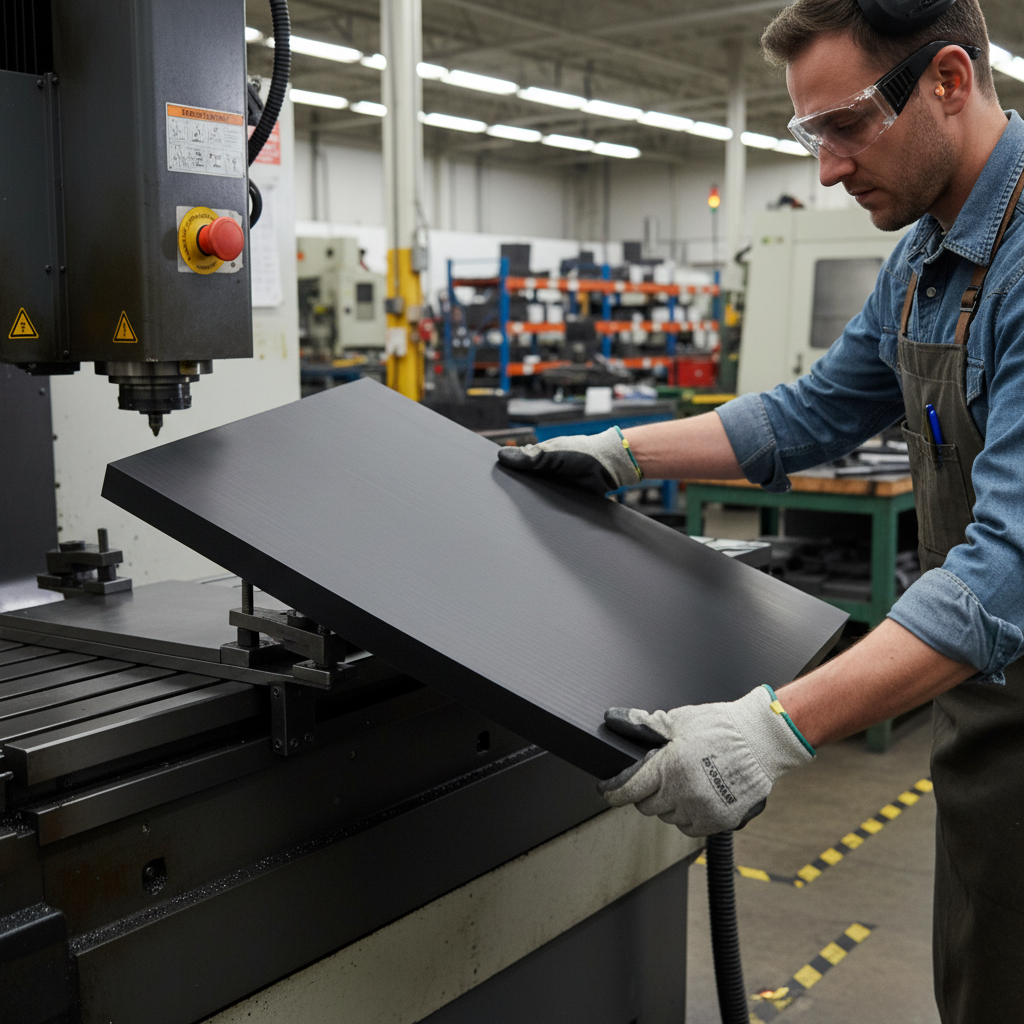
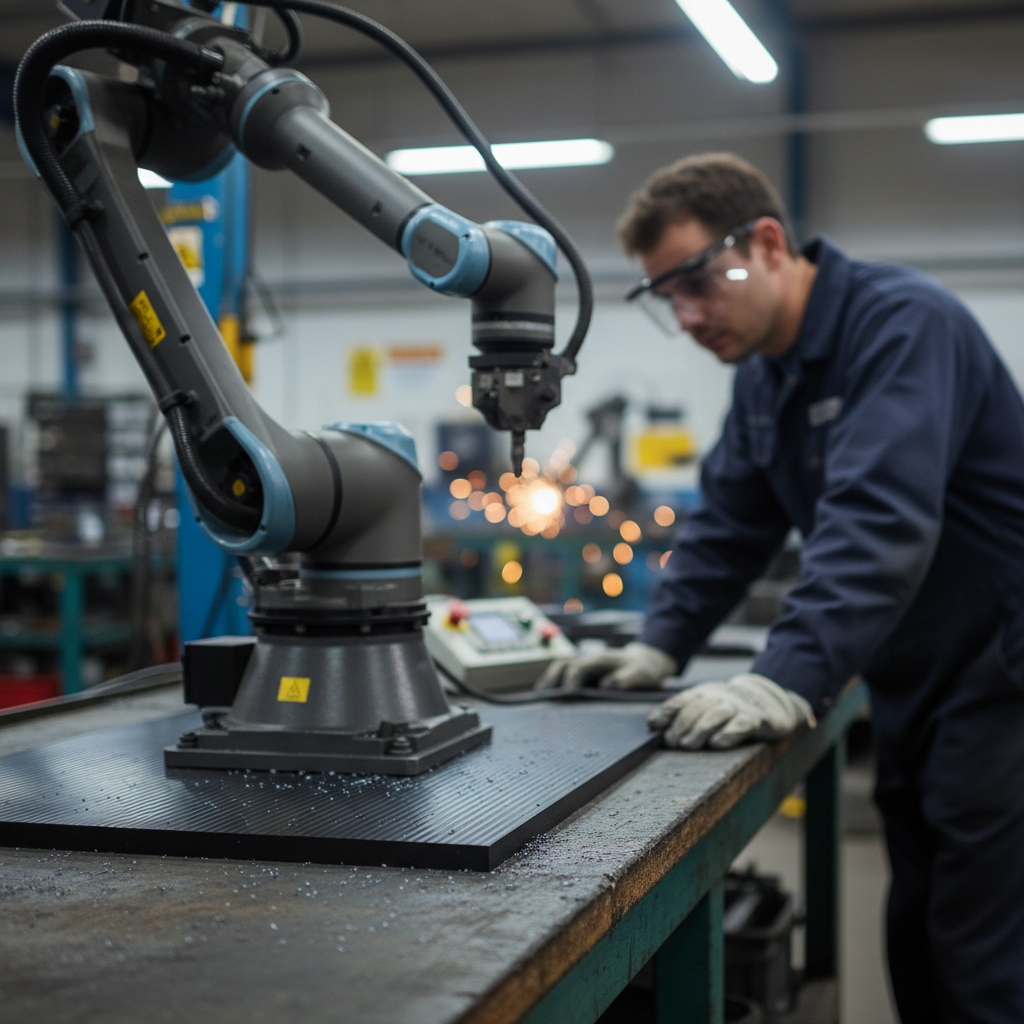
- Good machinability for turning, milling, drilling and sawing, allowing accurate, smooth-finished components.
Key Features and Benefits
- High load-bearing capacity and impact resistance make it ideal for replacing metal components while reducing overall weight.
- Excellent wear and abrasion resistance extends service life in sliding, bearing and gear applications, reducing maintenance and downtime.
- Stable mechanical properties over a wide temperature range help components retain accuracy in demanding operating conditions.
- High chemical resistance improves durability in contact with lubricants, cleaning agents and process fluids, supporting longer in-service performance.
- Good dimensional stability and low warpage contribute to precise machining and reliable fit in assemblies.
- Black colour helps reduce the visibility of wear and marking, maintaining a clean, uniform appearance in visible installations.
Specifications
| Specification | Detail |
|---|---|
| Material | Extruded nylon 6 (polyamide 6) engineering sheet |
| Colour | Black |
| Available thicknesses | 3 mm, 4 mm, 5 mm, 6 mm, 8 mm plus a wide range of additional thickness options |
| Sheet lengths | 500 mm, 1000 mm, 2000 mm, 3000 mm |
| Sheet widths | 620 mm, 1000 mm |
| Key properties | High chemical resistance, high mechanical strength, good dimensional stability, good machinability |
Applications and Ideal Uses
This heavy duty nylon 6 sheet is suitable for machining into a wide range of precision-engineered parts where strength, wear resistance and dimensional stability are critical.
- Bearings, bushes, wear strips and guide rails in conveyors and handling systems.
- Gears, sprockets and drive components in mechanical and automation equipment.
- Structural and support components in machinery, jigs, fixtures and guards.
- Rollers, wheels and impact-resistant components in materials handling and transport equipment.
- Precision-engineered parts for automotive, food processing and general industrial environments.
Frequently Asked Questions
Can this nylon 6 sheet be machined with standard workshop tools?
Yes, the extruded nylon 6 sheet can be machined using standard metalworking tools such as saws, drills, lathes and milling machines. Sharp tools and appropriate cutting speeds are recommended to achieve a smooth finish and maintain dimensional accuracy.
Is the sheet suitable for use in contact with oils and lubricants?
The material offers high chemical resistance and is well suited to use in contact with most common oils, greases and lubricants. This makes it ideal for bearings, wear pads and components operating in lubricated environments. For exposure to specific chemicals, compatibility should be checked against the relevant chemical resistance data.
How do I choose the right thickness and sheet size for my application?
Select the thickness based on the mechanical load, stiffness and machining requirements of your component; heavier loads and larger spans generally require thicker material. Choose from the available sheet lengths and widths to optimise your cutting layout and minimise waste. If in doubt, it is advisable to allow a small margin for machining and finishing when specifying sizes.