


Our Clients
Description
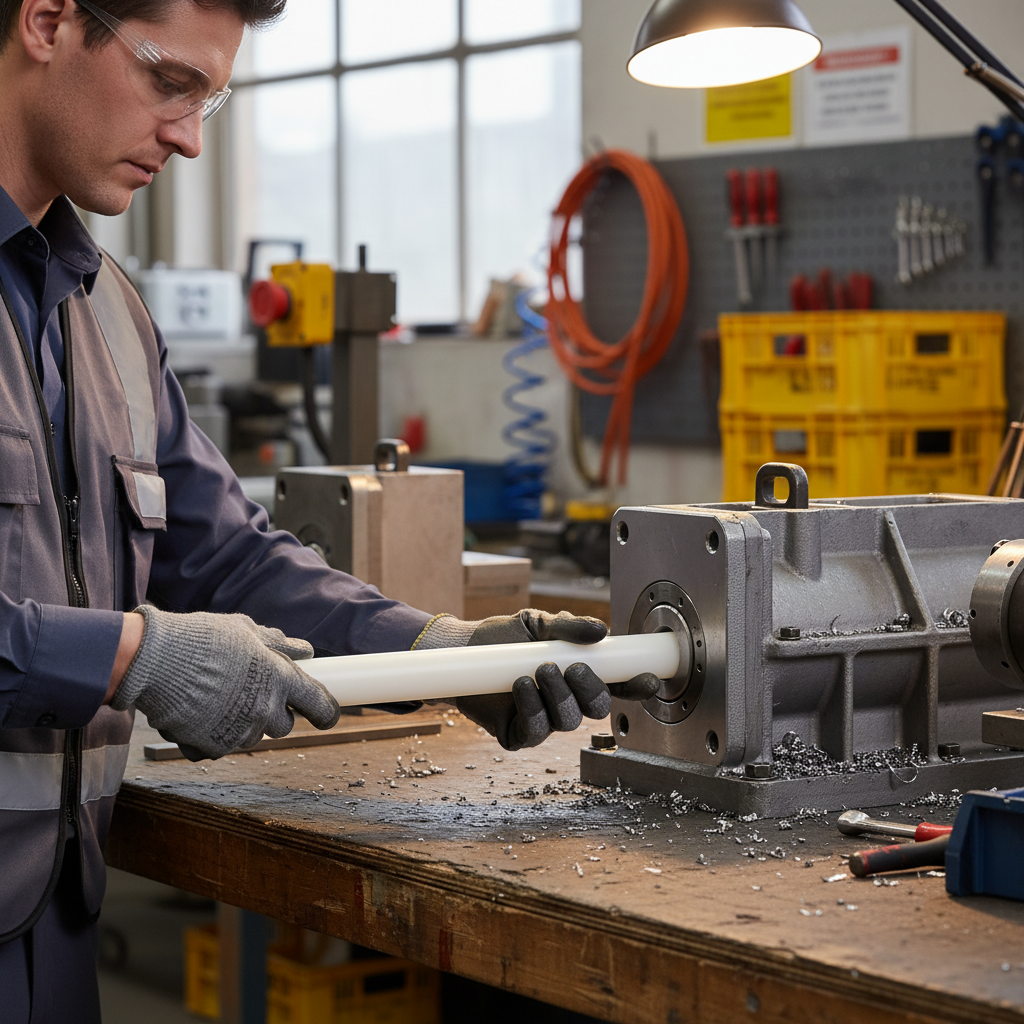
This premium Nylon 6.10 extruded natural rod is a high-performance engineering plastic designed for demanding applications where strength, stability and durability are essential. Manufactured with 60% renewable raw materials, it offers an advanced balance of mechanical performance and sustainability, making it a responsible choice for modern engineering and industrial projects.
With excellent dimensional stability, low moisture absorption and strong chemical resistance, this Nylon 6.10 rod is ideal for precision-machined parts, wear components and structural elements. Available in a choice of diameters and lengths, it is widely used in sectors such as mechanical engineering, food processing equipment (where permissible), automotive components and general industrial maintenance.
Product Features
- Made from Nylon 6.10 with 60% renewable raw material content for reduced environmental impact.
- Supplied as extruded natural (unpigmented) rod for easy inspection of machined surfaces and tolerances.
- Available diameters: 25 mm and 50 mm to suit a wide range of machined component sizes.
- Standard lengths of 1000 mm and 3000 mm for flexibility in cutting and optimising material yield.
- High mechanical strength and stiffness suitable for structural and load-bearing applications.
- Excellent dimensional stability and low water absorption compared with conventional nylon grades.
- Good resistance to oils, greases, fuels and many common industrial chemicals.
Key Features and Benefits
- Improved dimensional stability: Reduced moisture uptake helps components maintain tight tolerances and consistent performance over time.
- Enhanced chemical resistance: Performs reliably in contact with lubricants, fuels and cleaning agents, reducing risk of swelling and degradation.
- Sustainable material choice: 60% renewable content supports environmental targets without compromising mechanical properties.
- Excellent machinability: Machines well on standard equipment, enabling precise, smooth-finished parts with minimal post-processing.
- Wear and impact resistance: Suitable for sliding, bearing and impact-prone applications, helping extend service life of components.
- Versatile stock shapes: Multiple diameters and lengths minimise waste and simplify stockholding for maintenance and production environments.
Specifications
| Specification | Detail |
|---|---|
| Material | Nylon 6.10 engineering plastic (polyamide) |
| Renewable content | 60% renewable raw materials (by content) |
| Colour | Natural (unfilled, uncoloured) |
| Available diameters | 25 mm, 50 mm |
| Standard lengths | 1000 mm, 3000 mm |
| Form | Solid extruded rod for machining |
Applications and Ideal Uses
This Nylon 6.10 extruded rod is suitable for precision-machined components and wear parts in a wide range of industrial and engineering environments.
- Bearings, bushes, spacers and wear strips in mechanical and automation equipment.
- Gears, sprockets and drive components requiring good strength and dimensional stability.
- Valve components, manifolds and fittings exposed to oils, fuels and industrial fluids.
- Guides, rollers and support elements in conveyors and handling systems.
- Custom machined parts for automotive, agricultural and general engineering applications.
Frequently Asked Questions
How does Nylon 6.10 compare to standard nylon in terms of moisture absorption and stability?
Nylon 6.10 typically absorbs less moisture than standard nylon types such as Nylon 6, which means it offers better dimensional stability and more consistent mechanical properties in humid or wet environments. This makes it particularly suitable for precision parts where tolerance control is important.
Can these Nylon 6.10 rods be machined with conventional workshop equipment?
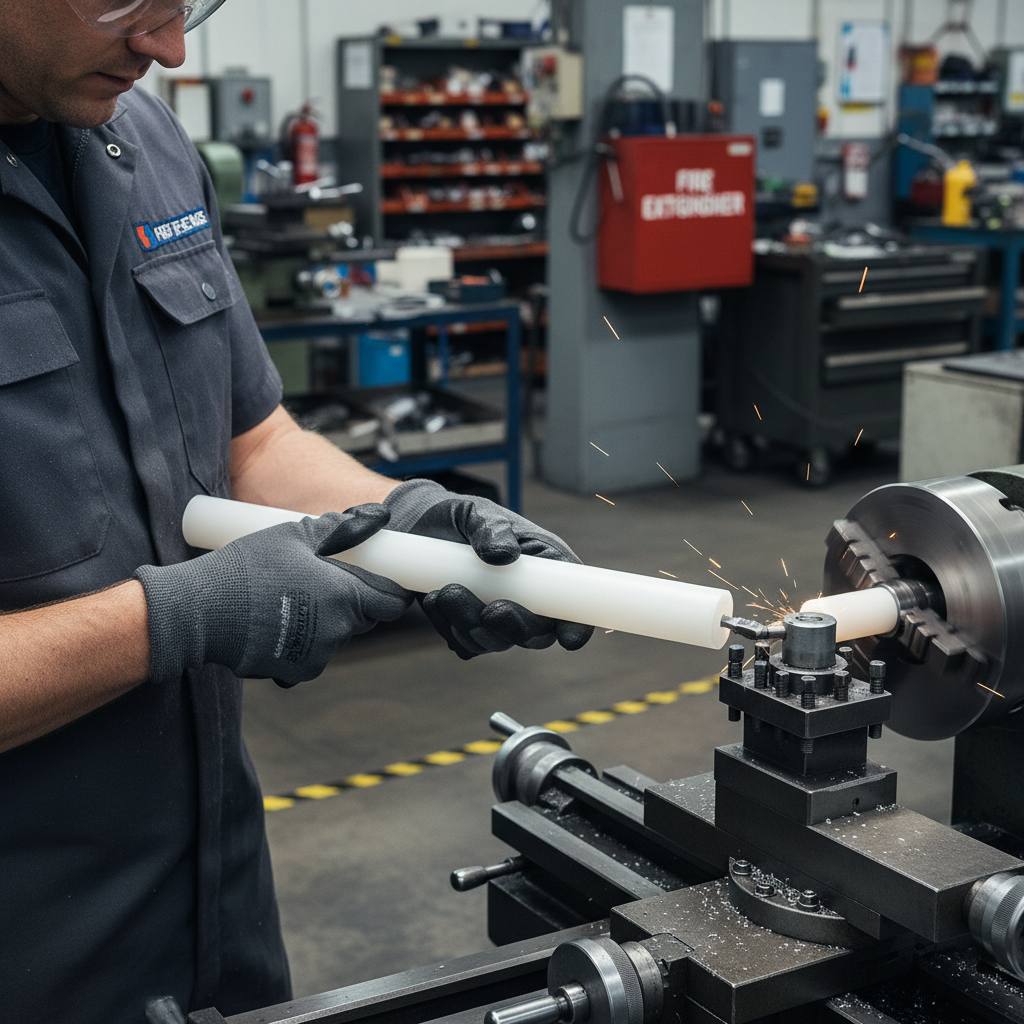
Yes, the rods can be machined using standard metalworking and plastics machining equipment such as lathes, milling machines and saws. Sharp tools, appropriate cutting speeds and proper support are recommended to achieve a smooth finish and maintain dimensional accuracy.
Are the rods supplied in fixed sizes, or can they be cut to specific lengths?
The rods are supplied in standard lengths of 1000 mm and 3000 mm in the listed diameters. They can be readily cut down using suitable cutting equipment, allowing you to produce the exact lengths required for your components or for easier handling and storage.