


Our Clients
Description
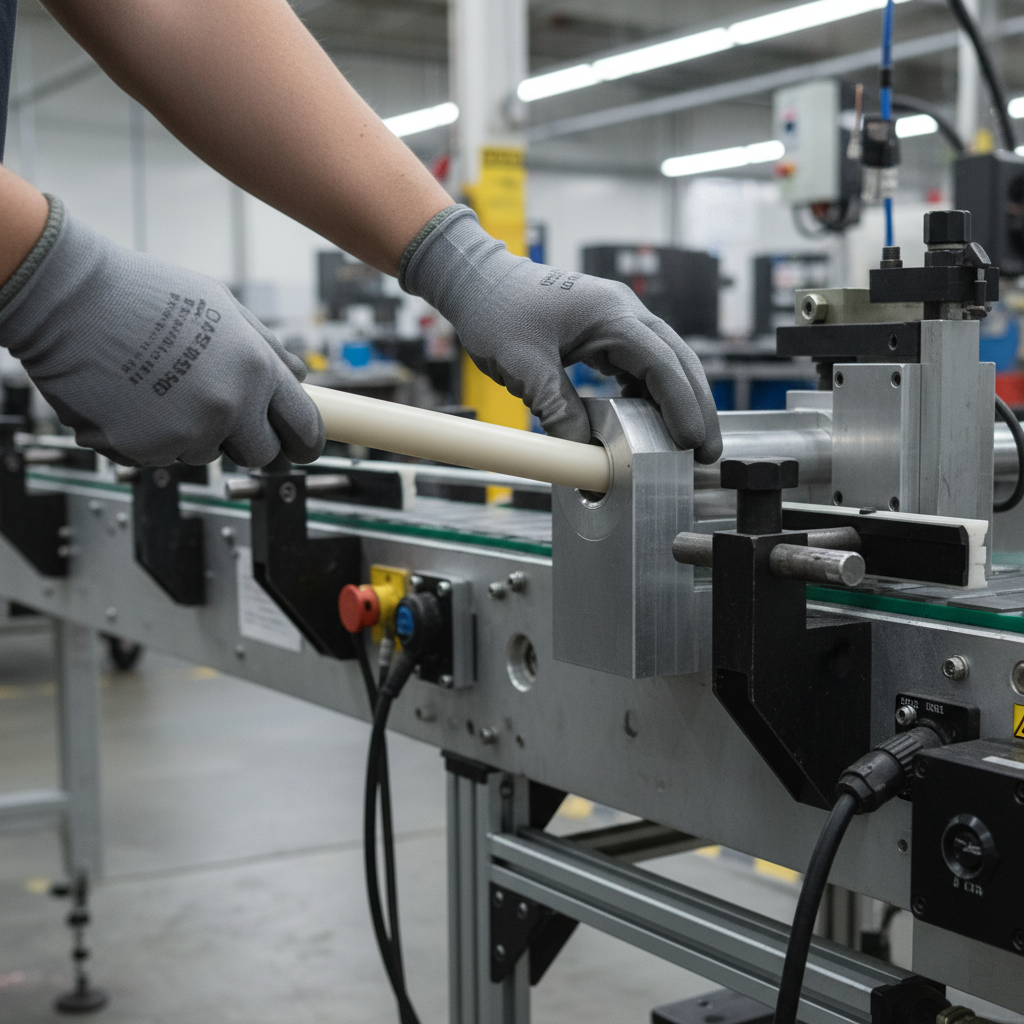
This premium Nylon 12 rod, reinforced with 30% glass fibre, offers exceptional rigidity, dimensional stability and wear resistance for demanding mechanical engineering applications. Designed for precision machining, it provides a reliable alternative to metals where reduced weight, good fatigue performance and excellent chemical resistance are required.
Supplied in natural (unpigmented) finish and a range of diameters and lengths, this engineering plastic rod is ideal for producing high-performance components such as gears, bushings, guide rails and structural parts. Its low moisture absorption and stable mechanical properties make it especially suited to close-tolerance parts in challenging industrial environments.
Product Features
- Material: Nylon 12 reinforced with 30% glass fibre for increased stiffness and strength.
- Colour: Supplied in natural, unfilled appearance for easy visual inspection and machining.
- Available diameters: 20 mm, 30 mm, 40 mm, 50 mm and 60 mm to suit a wide variety of component sizes.
- Standard lengths: 1000 mm, 2000 mm and 3000 mm for minimal joints and efficient material usage.
- High rigidity and dimensional stability, even under load and varying temperature conditions.
- Good wear and abrasion resistance for moving and load-bearing parts.
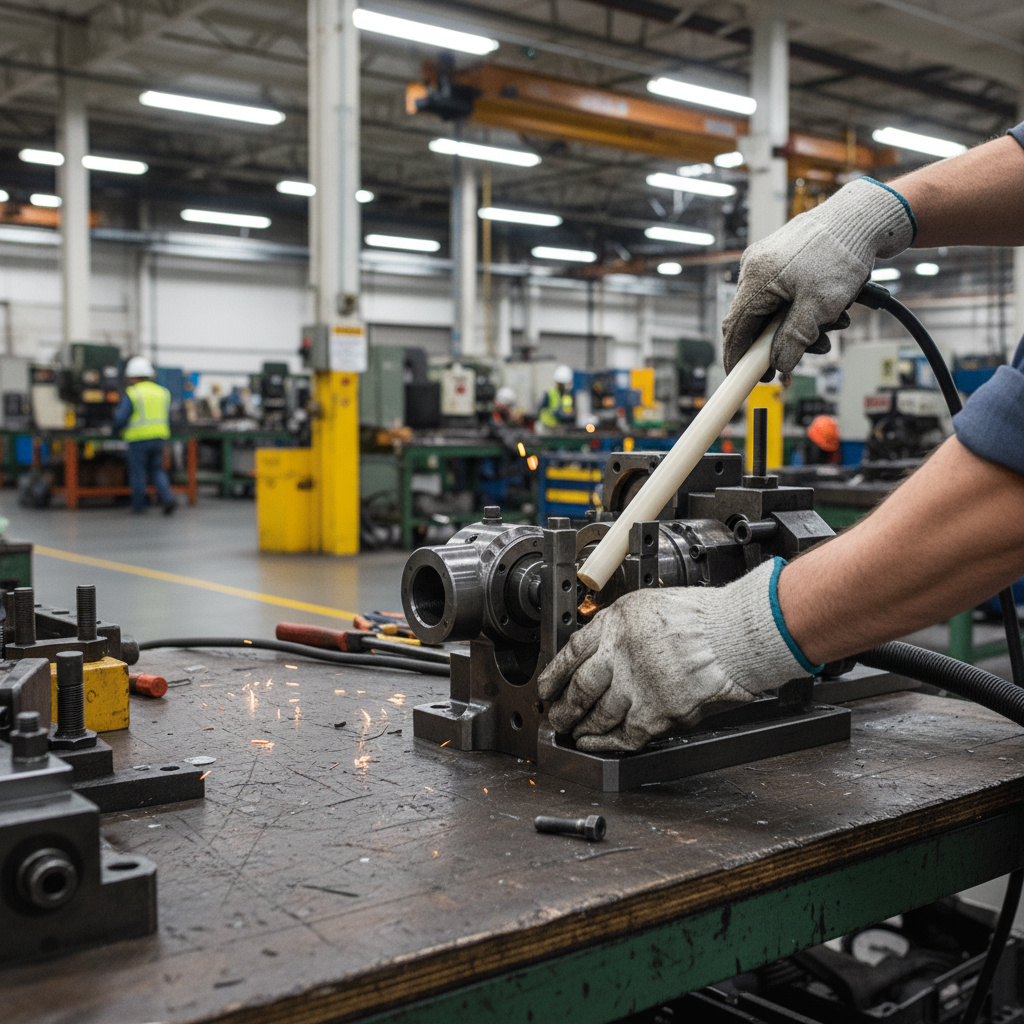
- Excellent machinability using standard metalworking tools, allowing precise, clean finishes.
Key Features and Benefits
- Enhanced stiffness from 30% glass fibre reinforcement allows thinner wall sections and more compact designs without sacrificing strength.
- Low moisture absorption compared with other polyamides helps maintain tight tolerances and reduces risk of dimensional change in service.
- Good fatigue and creep resistance under long-term load improves component life in dynamic and static applications.
- Lightweight alternative to metals, reducing overall assembly weight and easing handling and installation.
- Excellent machinability supports efficient prototyping and production, helping to shorten lead times and reduce manufacturing costs.
- Good chemical and oil resistance makes it suitable for use in mechanically and chemically challenging industrial environments.
Specifications
| Specification | Detail |
|---|---|
| Material | Nylon 12 (PA12) with 30% glass fibre reinforcement |
| Colour | Natural (unpigmented) |
| Available diameters | 20 mm, 30 mm, 40 mm, 50 mm, 60 mm |
| Available lengths | 1000 mm, 2000 mm, 3000 mm |
| Typical service temperature range | Approximately -40 °C to +100 °C (application dependent) |
| Machinability | Suitable for turning, milling, drilling and sawing with standard tooling |
Applications and Ideal Uses
This glass-filled Nylon 12 rod is suitable for a wide range of mechanical and structural components where strength, dimensional stability and wear resistance are critical.
- Precision gears, sprockets and drive components in mechanical assemblies.
- Bushings, bearings, rollers and wear strips in conveyor and handling systems.
- Structural spacers, mounts and load-bearing brackets in machinery and equipment.
- Guides, slides and support components in automation and robotics.
- Custom-machined parts for testing rigs, jigs and fixtures in engineering workshops.
Frequently Asked Questions
Can this glass-filled Nylon 12 rod be machined with standard metalworking tools?
Yes, the rod can be machined using conventional metalworking tools such as lathes, mills and saws. Sharp tools, appropriate cutting speeds and adequate support are recommended to achieve the best surface finish and dimensional accuracy.
Is the material suitable for use in wet or humid environments?
Nylon 12 has relatively low moisture absorption compared with many other polyamides, which helps maintain dimensional stability in humid conditions. However, for critical applications, any potential exposure to moisture and operating temperature should be considered during design.
How do I choose the correct diameter and length for my application?
Select a diameter that provides sufficient material for your finished component, including any machining allowances and wall thicknesses required for strength. Length should be chosen to minimise waste while allowing for cutting, facing and holding in the machine, with 1000 mm, 2000 mm and 3000 mm options available to suit different batch sizes.