


Our Clients
Description
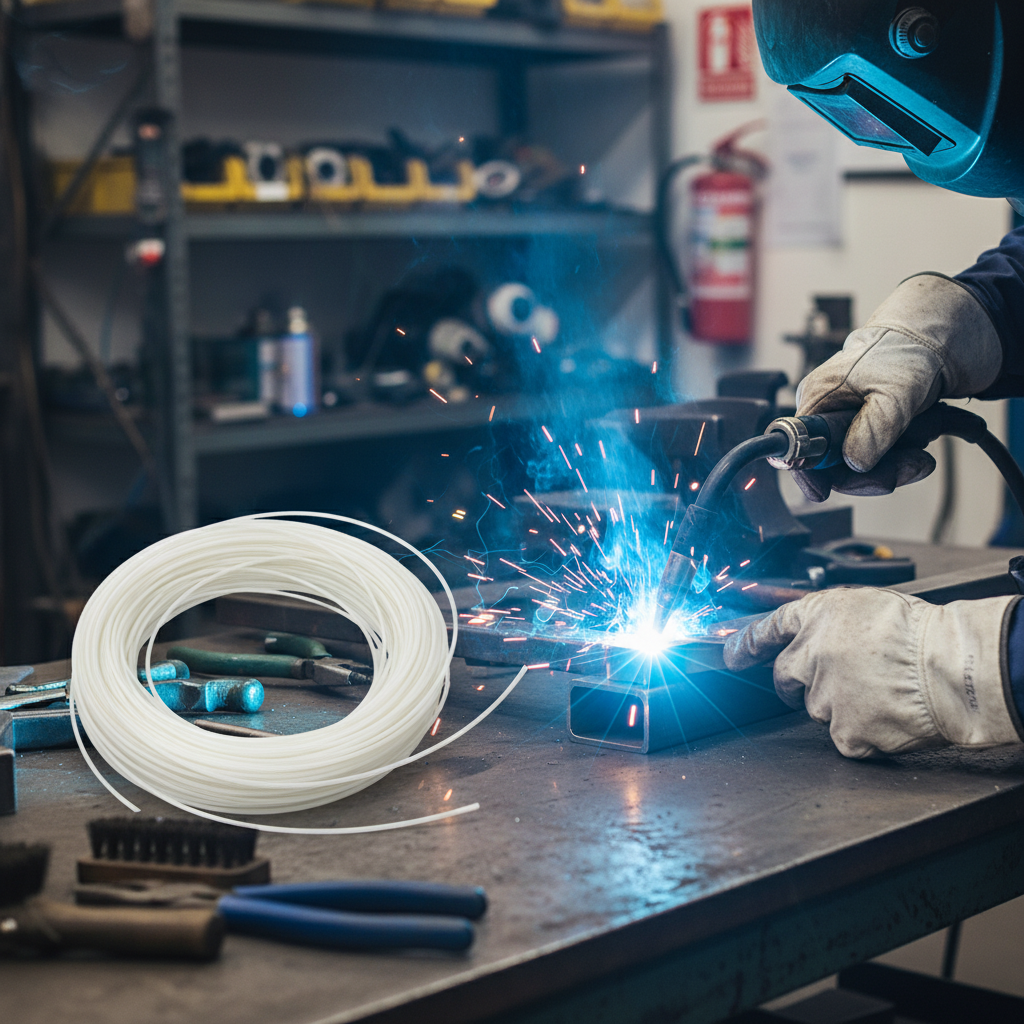
This premium welding rod is specifically designed for high-performance repair and fabrication of polypropylene copolymer (PPC) thermoplastics. Supplied in a natural, unpigmented finish, it delivers clean, consistent welds that integrate smoothly with PPC substrates for strong, long-lasting bonds.
Ideal for professional plastic welders, maintenance engineers and fabrication workshops, this PPC welding rod is supplied in convenient 2 kg coils and offered in a choice of round and triangular profiles to suit different welding techniques and joint configurations.
Product Features
- Natural PPC welding rod for repairing and fabricating polypropylene copolymer components.
- Available profiles: 3 mm round, 4 mm round, 4.5 mm triangle, 5.7 mm triangle and 7 mm triangle for versatile joint preparation.
- Supplied in practical 2 kg coil format for extended welding runs and reduced changeovers.
- Round profiles ideal for general-purpose welding and fillet joints.
- Triangular profiles suited to vee-groove, butt and corner joints where precise bead placement is required.
- Consistent diameter and profile accuracy to support smooth, even feed through hot-air and extrusion welders.
- Natural colour finish to allow easy inspection of the weld and post-finish colouring or coating.
Key Features and Benefits
- Optimised for PPC substrates, helping to achieve strong, homogeneous welds with excellent bond integrity.
- Multiple profile options allow you to match the rod to the joint design, improving weld quality and appearance.
- Supplied in 2 kg coils to minimise downtime, reduce wastage and maintain a consistent welding rhythm.
- Reliable dimensional consistency promotes even melting and flow, reducing the risk of weak spots and rework.
- Natural, unfilled formulation supports good fusion and simplifies visual inspection of the finished weld bead.
- Suitable for use with standard hot-air, contact and extrusion welding equipment used in thermoplastic repair.
Specifications
| Specification | Detail |
|---|---|
| Material | Polypropylene Copolymer (PPC) |
| Available Profiles | 3 mm round, 4 mm round, 4.5 mm triangle, 5.7 mm triangle, 7 mm triangle |
| Coil Weight | 2 kg per coil |
| Colour | Natural (unpigmented) |
| Recommended Welding Methods | Hot-air welding, contact welding, extrusion welding (where compatible with profile) |
| Typical Applications | Repair and fabrication of PPC tanks, ducting, pipework and moulded components |
Applications and Ideal Uses
This PPC welding rod is suitable for a wide range of industrial and maintenance tasks wherever polypropylene copolymer components require repair, modification or fabrication.
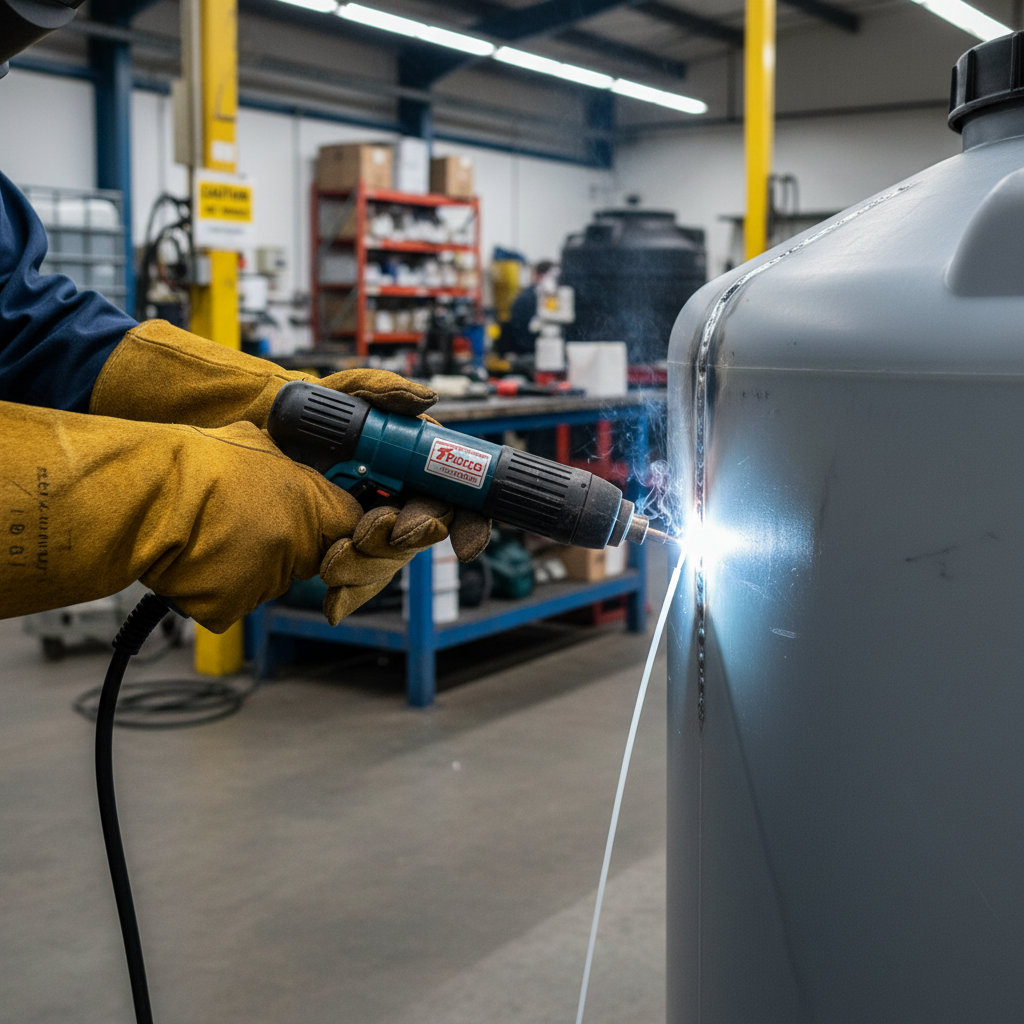
- Repairing cracks, splits and wear damage in PPC tanks, containers and process vessels.
- Fabricating and modifying PPC ducting, ventilation components and fume extraction systems.
- Joining or reinforcing PPC pipework, fittings and manifolds in industrial installations.
- General plastic repair in automotive, agricultural and construction equipment using PPC parts.
- Prototype and custom PPC fabrication in workshops and maintenance departments.
Frequently Asked Questions
Which profile should I choose for my welding application?
Round profiles (3 mm and 4 mm) are a good choice for general-purpose welding, fillet joints and situations where you need a smooth, rounded bead. Triangular profiles (4.5 mm, 5.7 mm and 7 mm) are better suited to vee-groove, butt and corner joints, where the shape of the rod helps fill the joint efficiently and provides good penetration into the prepared groove.
Can this welding rod be used with any type of polypropylene?
This rod is formulated for polypropylene copolymer (PPC) and should be matched to PPC substrates for the best bond strength. While it may fuse to other polypropylene grades, for critical applications you should always use a welding rod that matches the specific material of the component being repaired or fabricated.
What welding equipment is compatible with this PPC welding rod?
The rod is suitable for use with standard hot-air welding tools, contact welding equipment and compatible extrusion welders. Ensure your equipment can accept the chosen rod profile and diameter, and follow the tool manufacturer’s guidance on temperature settings and welding technique for PPC.