


Our Clients
Description
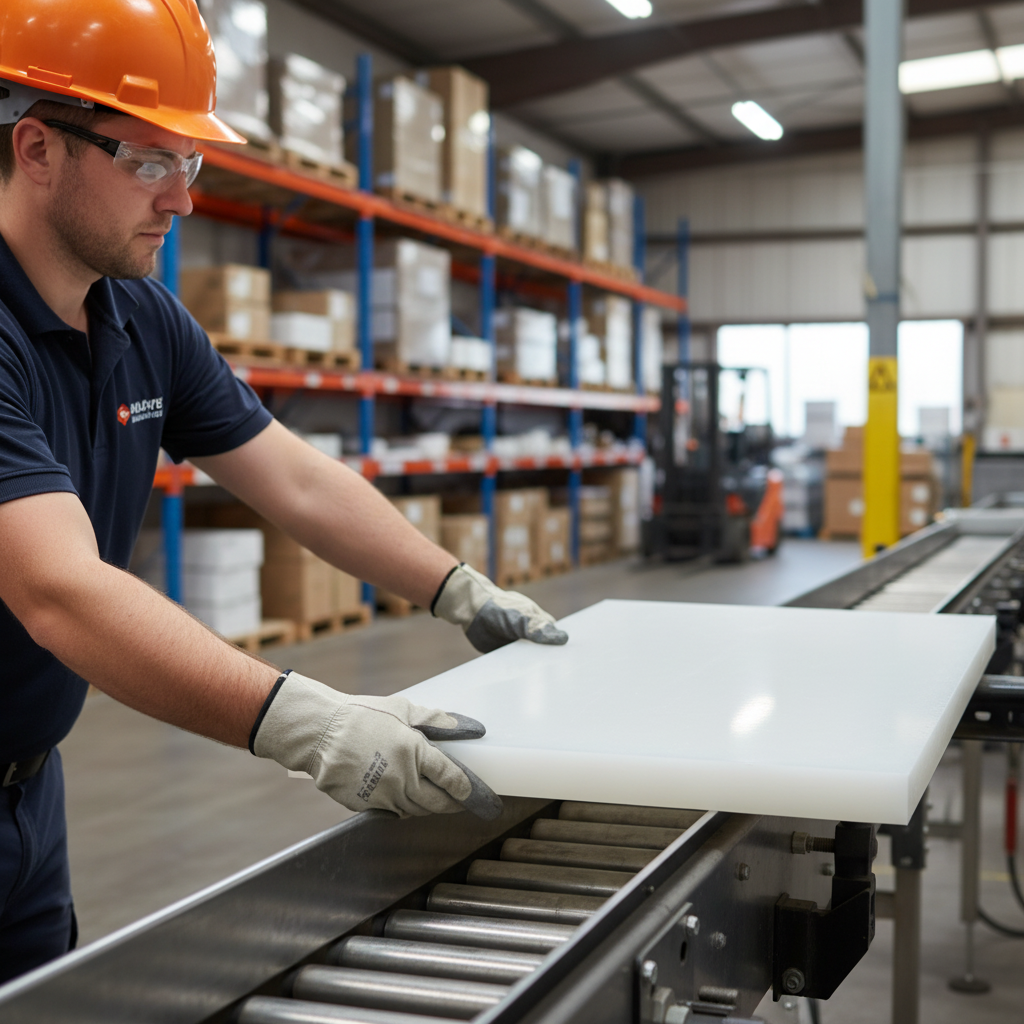
This premium high-performance pressed and planed natural polyethylene sheet is a versatile engineering plastic designed for demanding environments. Offering a smooth, low-friction surface and excellent impact resistance, it provides a reliable alternative to traditional materials such as metal, wood and rubber in many industrial settings.
Available in a wide range of thicknesses, lengths and widths, these sheets are ideal for use in mechanical engineering, material handling, food-related areas, conveyor systems and general fabrication work. Their robust performance, combined with easy machinability, makes them suitable for both one-off projects and regular production applications.
Product Features
- Pressed and planed natural polyethylene sheet with a smooth, low-friction surface finish.
- Available thicknesses from 6 mm, 8 mm, 10 mm, 12 mm and 15 mm, plus additional intermediate options to suit specific design requirements.
- Standard sheet lengths of 2000 mm and 3000 mm for flexible cutting and layout planning.
- Two convenient sheet widths: 1000 mm and 1250 mm, helping to minimise offcuts and material waste.
- High impact strength and abrasion resistance for long service life in mechanically demanding applications.
- Good machinability for cutting, drilling, shaping and profiling using standard workshop tools.
- Natural (unpigmented) colour suitable for clean, technical and hygiene-conscious environments.
Key Features and Benefits
- Low-friction performance: Reduces drag and wear in sliding, gliding and conveying applications, helping to cut maintenance and downtime.
- Excellent impact and wear resistance: Withstands knocks, vibration and repeated contact, making it ideal for impact plates, wear strips and guide rails.
- Lightweight alternative to metal: Easier to handle, transport and install than steel or aluminium, with good toughness and durability.
- Moisture and corrosion resistant: Will not rot, swell, rust or delaminate, even in damp or washdown environments.
- Easy to machine and fabricate: Can be readily cut, drilled, milled and fabricated to bespoke shapes and sizes as required.
- Cost-effective material utilisation: Multiple thickness, length and width options allow more efficient nesting and reduced waste on each project.
Specifications
| Specification | Detail |
|---|---|
| Material | Natural polyethylene engineering sheet (pressed and planed finish) |
| Available thicknesses | 6 mm, 8 mm, 10 mm, 12 mm, 15 mm (plus additional thickness options available) |
| Sheet length options | 2000 mm or 3000 mm |
| Sheet width options | 1000 mm or 1250 mm |
| Surface finish | Smooth planed surface for improved flatness and reduced friction |
| Typical properties | High impact strength, good wear resistance, low coefficient of friction, excellent moisture resistance |
Applications and Ideal Uses
These natural polyethylene sheets are suitable for a wide variety of engineering, industrial and fabrication tasks where a tough, low-friction and moisture-resistant material is required.
- Wear strips, guide rails and slide plates on conveyors and material handling equipment.
- Machined components, spacers, guards and protective covers in mechanical assemblies.
- Chopping surfaces, liners and protective panels in food-related and hygiene-conscious areas.
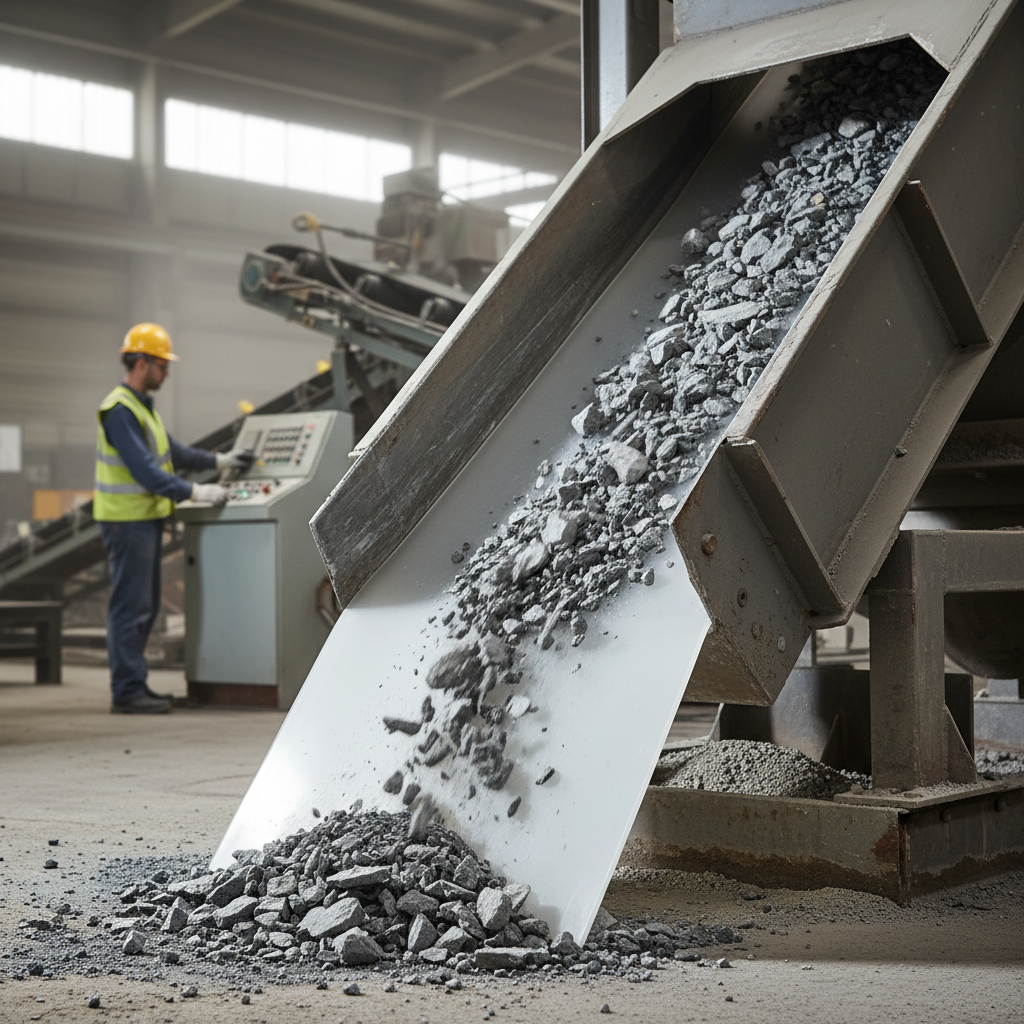
- Impact-resistant liners for chutes, hoppers and bunkers to aid material flow.
- General fabrication, jigs, fixtures and prototypes in workshops and maintenance departments.
Frequently Asked Questions
Can these polyethylene sheets be cut to size using standard workshop tools?
Yes, the sheets can be cut, drilled and shaped using common woodworking or metalworking tools such as circular saws, jigsaws and routers fitted with suitable blades or cutters. Secure clamping and appropriate feed rates are recommended to achieve clean edges.
Is the natural polyethylene sheet suitable for use in damp or washdown environments?
Yes, polyethylene is highly resistant to moisture and will not absorb water, swell, rot or corrode. This makes it suitable for use in damp areas, washdown zones and applications where the material may be regularly cleaned.
How do I choose the right thickness of sheet for my application?
The correct thickness depends on the load, span and level of impact or wear in your application. Thinner sheets such as 6 mm or 8 mm are often used for liners and wear strips, while thicker sizes like 10 mm, 12 mm and 15 mm are preferred for structural panels, machined components or areas subject to higher loads. If in doubt, consider expected loading and support spacing, or consult a technical specialist.