


Our Clients
Description
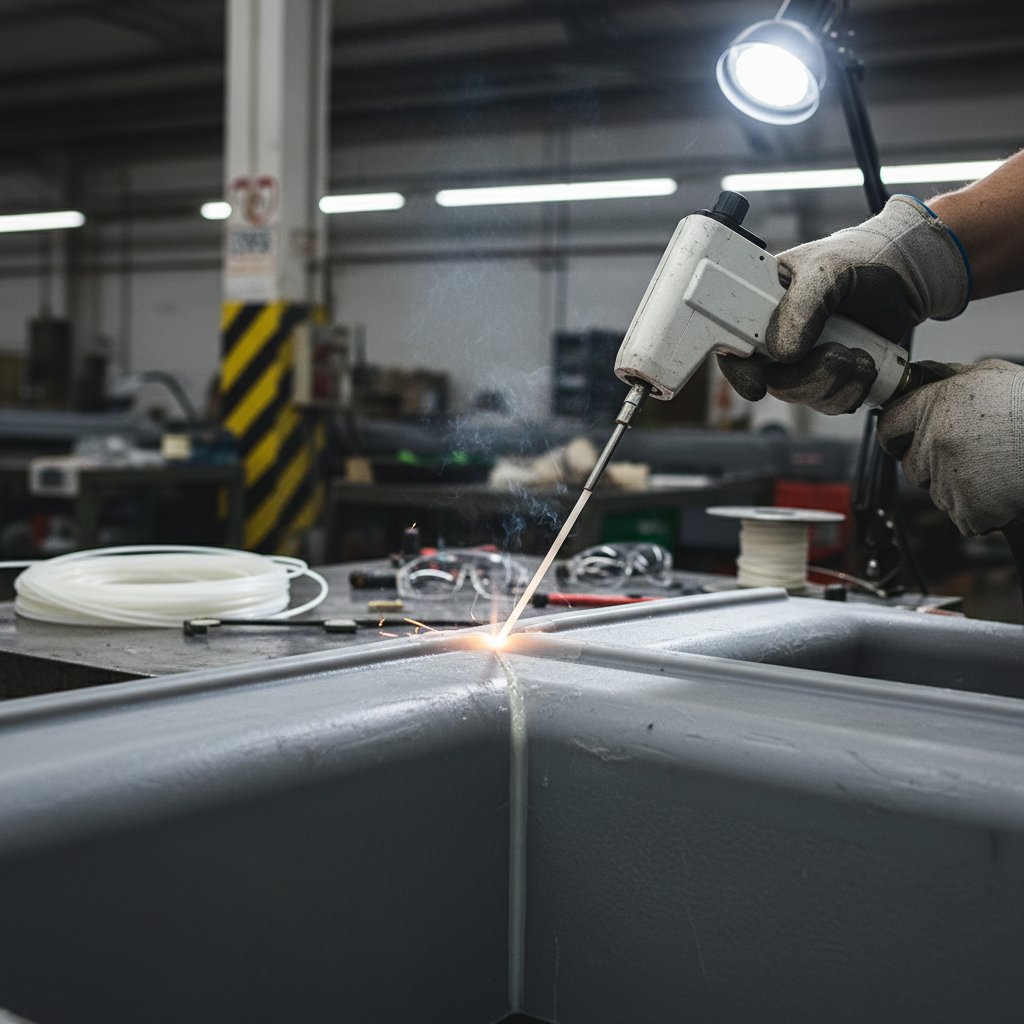
These premium LDPE welding rods in natural colour are designed for reliable plastic repair, fabrication and maintenance work. Manufactured from high-quality low density polyethylene, they offer excellent flow and fusion characteristics, making them ideal for both professional plastic welders and workshop use.
Supplied in convenient 2 kg coils and available in a choice of round and triangular profiles, these rods are suitable for a wide range of LDPE welding applications, including tank repair, pipework, trays and general plastic fabrication across industrial, automotive and agricultural environments.
Product Features
- Material: premium low density polyethylene (LDPE) for consistent welding performance
- Natural colour for easy visual inspection of weld quality and blending with unpigmented LDPE substrates
- Available profiles: 3 mm round, 4 mm round and 5.7 mm triangle to suit different joint types and weld thicknesses
- Supplied in 2 kg coils for efficient handling, storage and extended welding runs
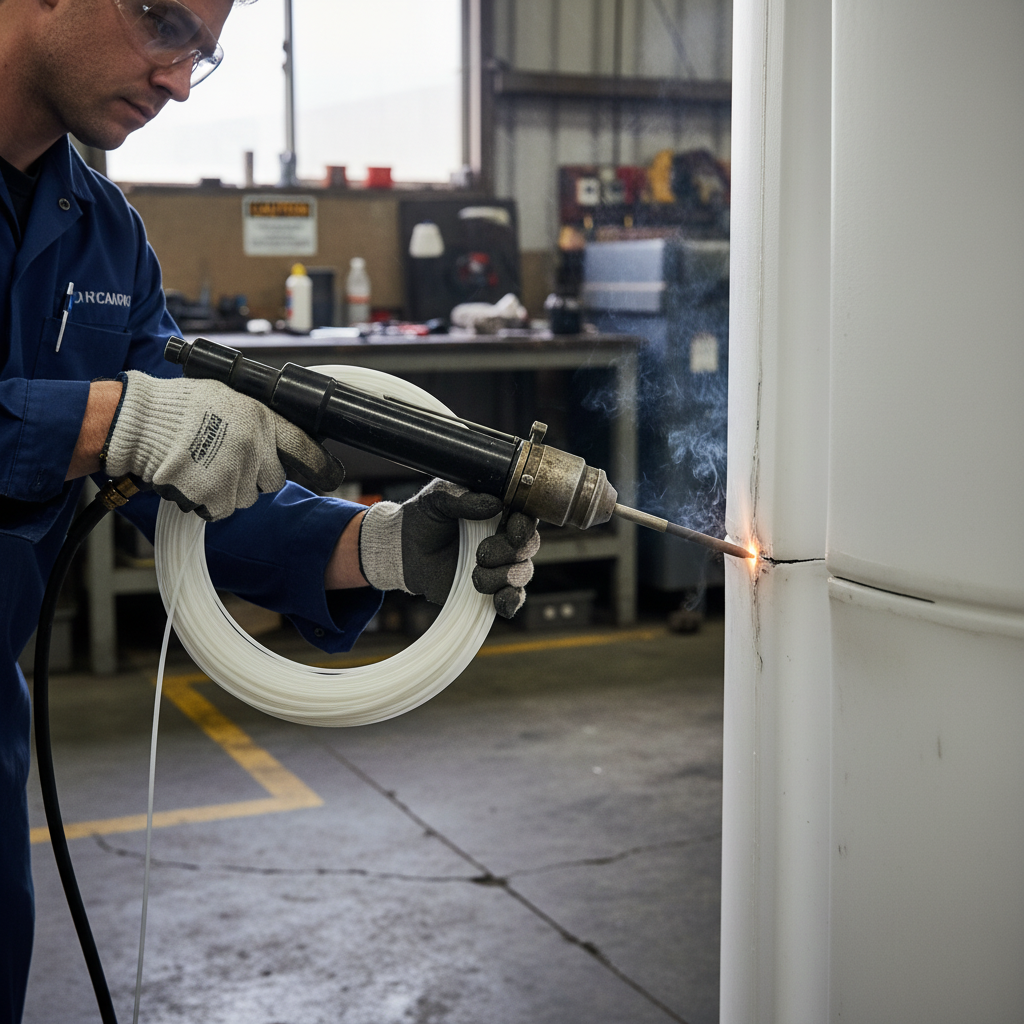
- Compatible with most hot air plastic welding guns and extrusion welders set for LDPE
- Smooth, consistent rod diameter/profile for uniform feed and controlled melt behaviour
Key Features and Benefits
- Excellent fusion with LDPE substrates helps produce strong, durable welds for long-lasting repairs and fabrications.
- Natural finish makes it easier to see imperfections, undercuts or voids, supporting high-quality workmanship.
- Choice of round and triangular profiles allows you to match the rod to butt, fillet, lap and corner joints for optimal penetration.
- Supplied in 2 kg coils, reducing changeovers and downtime on longer welding jobs.
- Consistent material quality supports repeatable results across multiple welds and projects.
- Suitable for a wide variety of LDPE items, helping to reduce waste and extend the service life of plastic components.
Specifications
| Specification | Detail |
|---|---|
| Material | Low density polyethylene (LDPE) |
| Colour | Natural (unpigmented) |
| Available profiles | 3 mm round, 4 mm round, 5.7 mm triangle |
| Coil weight | 2 kg per coil |
| Typical welding method | Hot air plastic welding gun or extrusion welding equipment suitable for LDPE |
| Typical service temperature | Suitable for standard LDPE operating ranges (not for high-temperature applications) |
Applications and Ideal Uses
These LDPE welding rods are suitable for a broad range of plastic repair and fabrication tasks where LDPE components are used.
- Repairing LDPE tanks, containers, drip trays and sumps in industrial and agricultural settings
- Fabricating or modifying LDPE ducting, pipework and chutes
- Maintenance of LDPE guards, covers and protective panels in workshops and factories
- Plastic repair work on LDPE components in automotive, marine and leisure equipment
- General LDPE sheet and profile fabrication in engineering and fabrication shops
Frequently Asked Questions
Can these LDPE welding rods be used on other types of plastic such as polypropylene or PVC?
No, these rods are specifically formulated for low density polyethylene (LDPE) and should only be used on compatible LDPE substrates. Using them on other plastics such as polypropylene, PVC or ABS will not produce a reliable weld.
Which profile should I choose for my welding application?
Round profiles (3 mm or 4 mm) are commonly used for general repairs, fillet welds and smaller sections, while the 5.7 mm triangular profile is often preferred for filling larger gaps, building up material and achieving deeper penetration in heavier sections. Select the profile that best matches your joint size and welding technique.
Do I need any special equipment to use these LDPE welding rods?
You will need a suitable plastic welding gun or extrusion welder with temperature and airflow settings appropriate for LDPE. Ensure the base material is clean, properly prepared and adequately tacked before laying the weld bead with the rod.