



Our Clients
Description
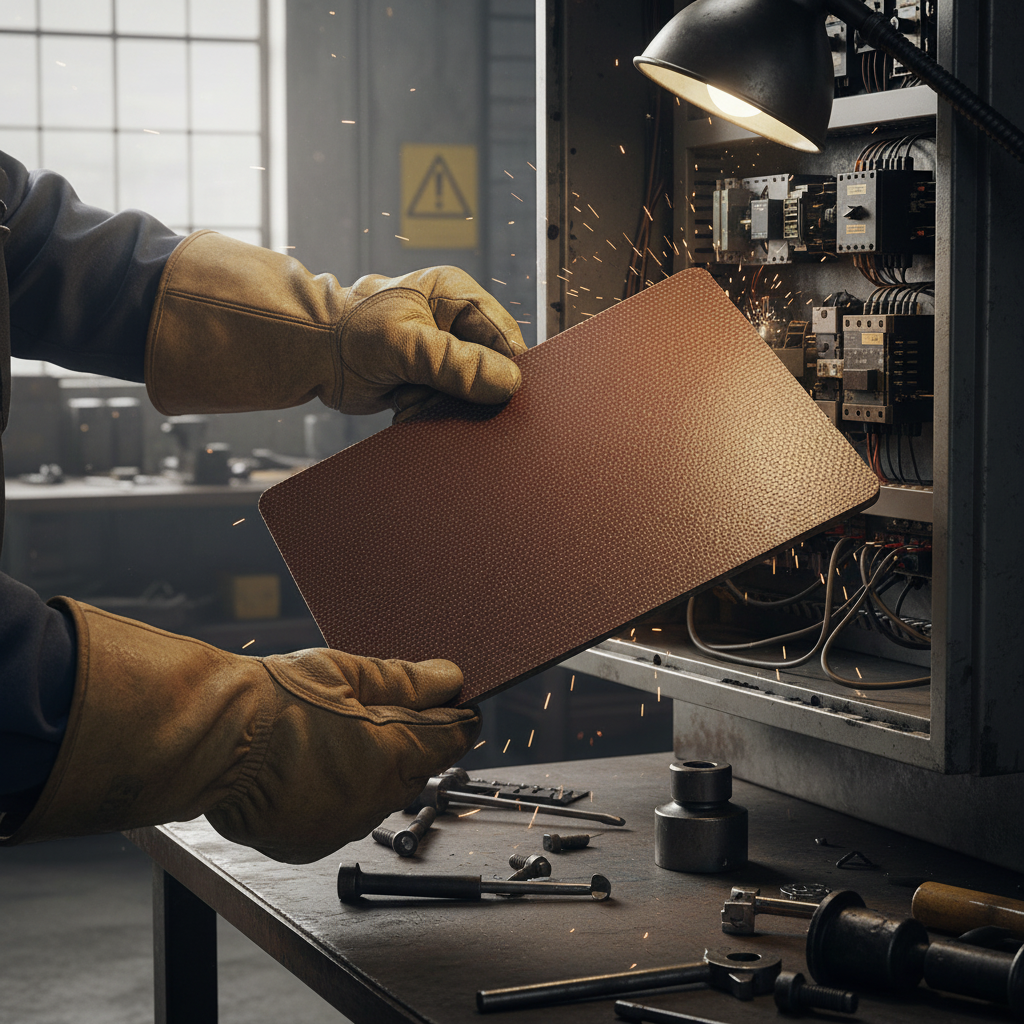
This premium laminated fabric sheet is a high-performance engineering material designed for demanding mechanical applications, particularly CNC routing and milling. Manufactured from layers of fabric impregnated with a thermosetting resin, it offers excellent wear resistance, dimensional stability and consistent machinability.
Supplied in a rich brown finish, these sheets are ideal for precision components, jigs, fixtures and wear parts where strength, rigidity and durability are critical. With a choice of popular thicknesses starting from 0.8 mm up to 2.5 mm and beyond, and standard sheet sizes optimised for workshop use, this material is well suited to a wide range of industrial, engineering and fabrication environments.
Product Features
- High-performance brown laminated fabric construction for mechanical strength and wear resistance.
- Available thicknesses include 0.8 mm, 1 mm, 1.6 mm, 2 mm and 2.5 mm, plus a further range of thicker options for heavier-duty applications.
- Standard sheet length options of 1400 mm and 2800 mm to suit different cutting and handling requirements.
- Consistent sheet width of 1240 mm for easy nesting and layout in CNC routing and panel cutting.
- Stable, rigid sheet format designed for accurate routing, milling, drilling and profiling.
- Engineered for use with CNC machinery, manual mills and conventional fabrication equipment.
- Suitable for producing custom components, wear strips, guides, spacers and insulating parts.
Key Features and Benefits
- Outstanding wear resistance helps extend the service life of routed and milled components, reducing replacement frequency and downtime.
- Good dimensional stability supports tight tolerances and repeatable accuracy in CNC machining and finishing operations.
- Versatile thickness range allows you to choose the most economical sheet for your design, minimising material waste and machining time.
- Uniform brown surface finish provides a professional appearance and makes it easy to visually distinguish parts from other engineering materials.
- Strong laminated fabric structure offers a high strength-to-weight ratio, making parts robust yet relatively lightweight.
- Supplied in practical sheet sizes that optimise workshop handling, storage and material yield from each panel.
Specifications
| Specification | Detail |
|---|---|
| Material type | Laminated fabric sheet with thermoset resin binder |
| Colour | Brown |
| Available thicknesses (mm) | 0.8, 1, 1.6, 2, 2.5 mm plus additional thicker options |
| Sheet length options (mm) | 1400 mm, 2800 mm |
| Sheet width (mm) | 1240 mm |
| Typical processing methods | CNC routing, milling, drilling, cutting and profiling |
Applications and Ideal Uses
This laminated fabric sheet is suited to a wide variety of engineering, industrial and fabrication projects where durable, machinable sheet material is required.
- CNC-routed jigs, fixtures and templates for production lines and workshops.
- Wear pads, guides and sliding components in machinery and handling equipment.
- Precision milled components, spacers and mounting plates for mechanical assemblies.
- Insulating or non-metallic structural parts in electrical and electronic equipment (subject to compatibility checks).
- Prototype and small-batch engineered parts where consistency and machinability are essential.
Frequently Asked Questions
Which thickness of laminated fabric sheet should I choose for my application?
The best thickness depends on the size, loading and stiffness requirements of your component. Thinner sheets such as 0.8 mm or 1 mm are suitable for lightweight spacers, shims and low-load parts, while 1.6 mm to 2.5 mm and above are better for structural pieces, wear plates and fixtures. If in doubt, consider the maximum load and any fixing points, and select a thicker sheet for added rigidity and durability.
Can this laminated fabric sheet be machined on a standard CNC router or milling machine?
Yes, the sheet is designed to be machined using standard CNC routers and milling machines, as well as conventional drilling and cutting equipment. For best results, use sharp tooling and appropriate feed rates to achieve a clean edge finish and maintain dimensional accuracy. Dust extraction is recommended to keep the work area clear during machining.
How should I store laminated fabric sheets to maintain their performance?
Store sheets flat on a stable surface in a dry, covered area away from direct sunlight and extreme temperatures. Avoid leaning sheets against walls for long periods, as this may cause distortion. Keeping the sheets clean and protected from moisture and contamination will help preserve their dimensional stability and machining performance over time.