

Our Clients
Description
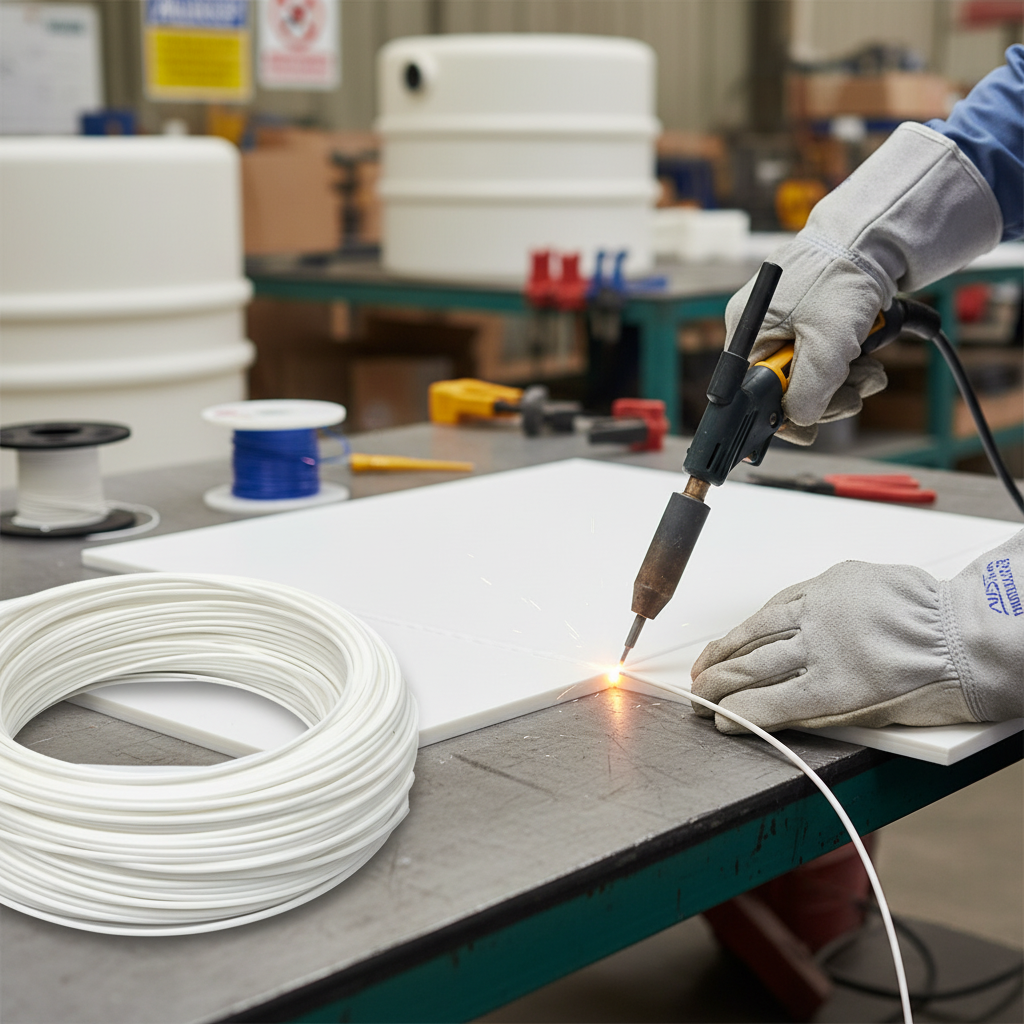
Premium high-performance HDPE welding rod in white, supplied in a 4 mm round profile, is designed for strong, reliable plastic repair and fabrication work. Manufactured from high-density polyethylene, these rods deliver excellent fusion with compatible HDPE components, producing clean, consistent welds for structural and cosmetic applications.
Supplied in convenient 2 kg coils, this welding rod is well suited to workshop, site and production environments where repeatable, high-quality plastic welding is essential. Ideal for use with compatible hot air or extrusion welding equipment, it allows you to build, modify and repair HDPE items with confidence and control.
Product Features
- Material: premium high-density polyethylene (HDPE) for strong, durable plastic welds.
- Profile: 4 mm round welding rod for versatile, general-purpose welding tasks.
- Colour: white rod for easy visual inspection of weld seams and tidy cosmetic finishes.
- Supply format: supplied in practical 2 kg coils for efficient handling and storage.
- Consistent diameter along the full coil length for stable, predictable weld performance.
- Compatible with standard HDPE hot air and extrusion welding equipment.
- Suitable for structural seams, surface repairs and fabrication of new HDPE components.
Key Features and Benefits
- Provides strong, homogeneous joints with HDPE substrates, helping extend the service life of repaired items.
- 4 mm round profile offers a good balance between deposition rate and control, making it suitable for both fine and medium-duty work.
- White colour improves visibility of the melt pool and bead profile, supporting accurate and consistent weld quality.
- Supplied in 2 kg coils to reduce changeovers, minimise waste and simplify stock management in busy workshops.
- Low moisture absorption and clean polymer help reduce porosity and improve weld integrity.
- Compatible with a wide range of HDPE components, supporting both on-site repair and new fabrication jobs.
Specifications
| Specification | Detail |
|---|---|
| Material | High-density polyethylene (HDPE) |
| Profile | 4 mm round welding rod |
| Colour | White |
| Coil weight | 2 kg per coil (approximate length dependent on extrusion) |
| Recommended welding methods | Hot air welding, extrusion welding (with suitable equipment) |
| Typical applications | Plastic repair, tank fabrication, linings, general HDPE fabrication |
Applications and Ideal Uses
This white HDPE welding rod is suitable for a wide range of industrial, commercial and maintenance tasks where HDPE components need to be repaired, modified or fabricated.
- Repairing HDPE tanks, containers and chemical storage vessels.
- Fabrication and modification of HDPE pipework, ducting and fittings.
- Maintenance of HDPE linings, trays, bunds and spill containment systems.
- Plastic repair work on HDPE panels, guards and machine components.
- General workshop and on-site HDPE welding for prototypes and production parts.
Frequently Asked Questions
Is this welding rod suitable for welding other plastics besides HDPE?
This rod is specifically formulated for use with high-density polyethylene (HDPE) and should not be used on dissimilar plastics such as polypropylene, PVC or ABS. For best results and weld integrity, always match the welding rod material to the base material, and confirm that the item you are repairing is HDPE before starting work.
What welding equipment do I need to use with this HDPE welding rod?
You can use this 4 mm round HDPE rod with suitable hot air welders or extrusion welders designed for plastic welding. Ensure the welder can reach the recommended processing temperatures for HDPE and that you use the correct nozzles or shoes for 4 mm round rod. Always follow your equipment manufacturer’s operating and safety instructions.
How should I store the HDPE welding rod to maintain weld quality?
Store the 2 kg coils in a clean, dry area away from direct sunlight and excessive heat. Keeping the rod free from dust, oils and moisture helps maintain good fusion and minimises porosity in the weld. Leave the rod in its packaging until needed and avoid kinking or sharply bending the coil, as this can make feeding more difficult during welding.