


Our Clients
Description
This premium high-performance glass-filled PTFE rod is engineered for demanding engineering and industrial applications where exceptional mechanical strength, stability and wear resistance are essential. Manufactured from PTFE reinforced with 25% glass fibre, it offers a significant upgrade in rigidity and dimensional stability compared with standard virgin PTFE, while maintaining excellent chemical resistance and low friction characteristics.
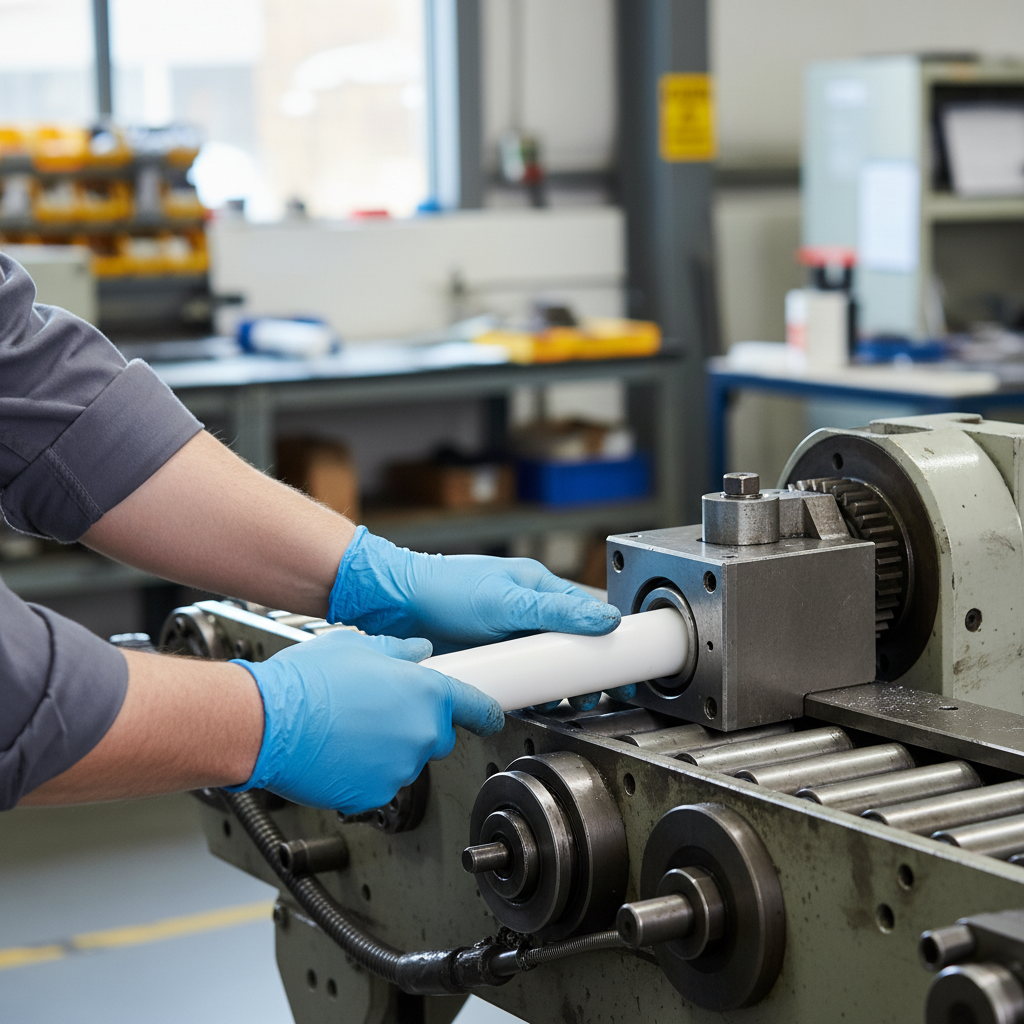
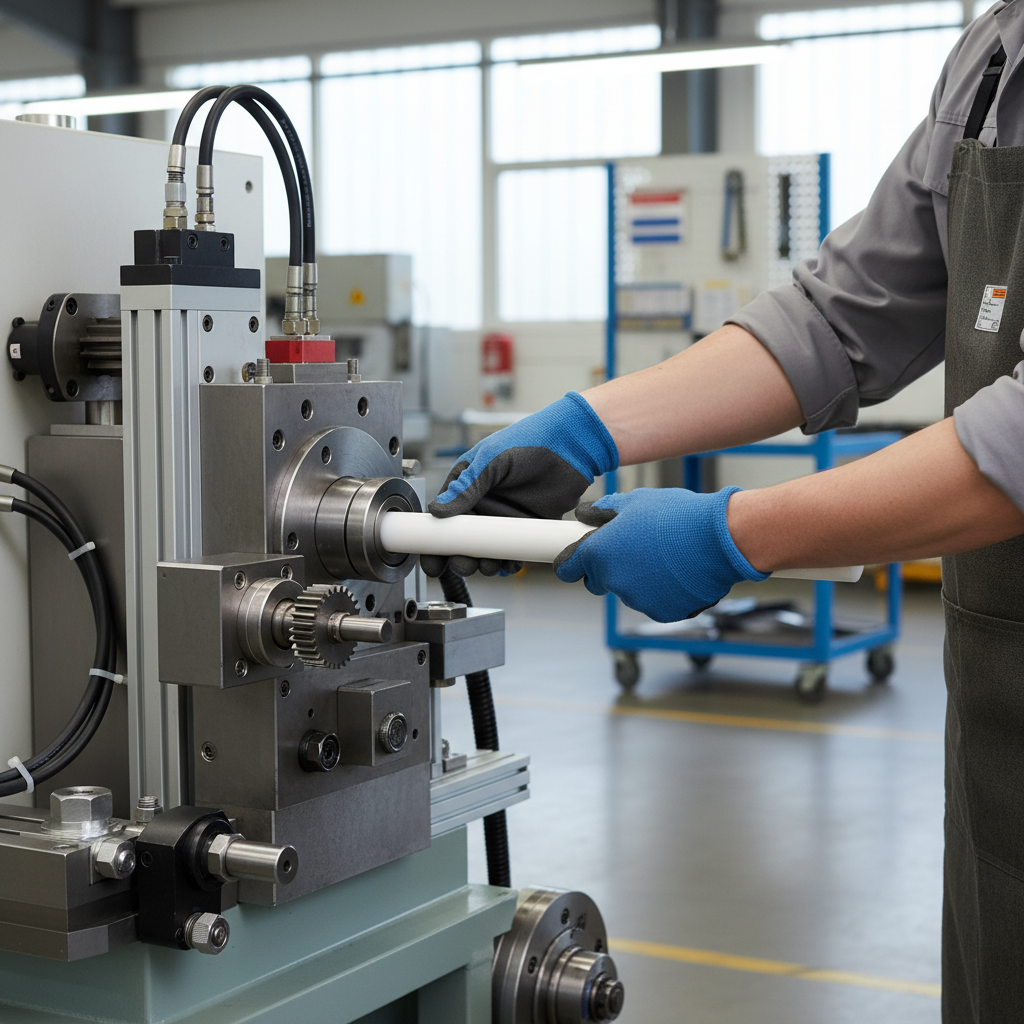
Supplied in a clean white finish, these rods are available in a wide range of diameters and in convenient standard lengths, making them ideal for machining into precision components such as bearings, seals, valve seats and insulators. Their combination of high temperature resistance and durability makes them suitable for use in harsh operating environments across chemical processing, food production, pharmaceutical, automotive and general engineering sectors.
Product Features
- Manufactured from PTFE reinforced with 25% glass fibre for enhanced mechanical strength and rigidity.
- Supplied in a white rod form suitable for precision machining and turning operations.
- Available diameters from 8 mm, 9 mm, 10 mm, 11 mm and 12 mm, plus many additional sizes to suit a wide range of components.
- Standard length options of 1000 mm and 2000 mm to match common workshop and production requirements.
- Excellent temperature resistance, typically suitable for continuous service at elevated temperatures.
- Low friction surface with improved wear resistance compared with unfilled PTFE.
- Outstanding chemical resistance to a wide range of aggressive media and process fluids.
Key Features and Benefits
- Enhanced load-bearing capability helps reduce deformation and creep under long-term mechanical stress.
- Improved dimensional stability allows tighter machining tolerances and more consistent performance in service.
- Low coefficient of friction minimises wear on mating parts and can reduce the need for additional lubrication.
- High temperature performance enables reliable use in hot process lines, steam environments and elevated-temperature machinery.
- Chemical inertness supports long service life in contact with corrosive chemicals, solvents and process media.
- Easy to machine with standard workshop equipment, helping to reduce production time and component costs.
Specifications
| Specification | Detail |
|---|---|
| Material | PTFE (polytetrafluoroethylene) with 25% glass fibre filling |
| Colour | White |
| Diameter options (mm) | 8, 9, 10, 11, 12 mm plus a further range of additional diameters |
| Standard lengths (mm) | 1000 mm and 2000 mm |
| Temperature resistance | Suitable for continuous use at elevated temperatures (application dependent) |
| Typical applications | Bearings, bushings, seals, valve seats, insulators and precision machined parts |
Applications and Ideal Uses
This 25% glass filled PTFE rod is ideal wherever a combination of low friction, high temperature resistance and improved mechanical strength over standard PTFE is required.
- Machining bushings, bearings and wear rings for pumps, valves and process equipment.
- Producing seals, valve seats and gaskets for chemical processing and fluid handling systems.
- Insulating components and spacers in electrical, electronic and high-temperature environments.
- Precision-engineered parts for food, beverage and pharmaceutical machinery where chemical resistance is critical.
- Custom components for automotive, aerospace and general engineering applications requiring stable low-friction materials.
Frequently Asked Questions
How does 25% glass filled PTFE differ from standard PTFE rod?
The 25% glass filled grade contains glass fibres uniformly dispersed throughout the PTFE, significantly increasing its mechanical strength, rigidity and resistance to deformation compared with standard virgin PTFE. While it retains many of the low friction and chemical resistance properties of PTFE, the glass reinforcement makes it better suited to higher load and wear applications.
Can this glass filled PTFE rod be machined with standard workshop tools?
Yes, the rod can be machined using conventional turning, milling and drilling equipment commonly found in engineering workshops. Sharp tools and appropriate cutting conditions are recommended to achieve a good surface finish, and the improved rigidity of the glass filled material generally makes it easier to hold tolerances than unfilled PTFE.
Is 25% glass filled PTFE suitable for use with aggressive chemicals and solvents?
Glass filled PTFE retains the excellent chemical resistance characteristic of PTFE and is compatible with a wide variety of acids, alkalis, solvents and process chemicals. As with any application, it is advisable to check specific media and operating conditions to ensure long-term suitability, particularly at elevated temperatures and pressures.