


Our Clients
Description
This premium 30% glass filled polypropylene rod is an engineering-grade material designed for demanding mechanical applications where high stiffness, dimensional stability, and durability are essential. Reinforced with glass fibres, it offers significantly improved mechanical performance over standard polypropylene, making it suitable for load-bearing and structural components.
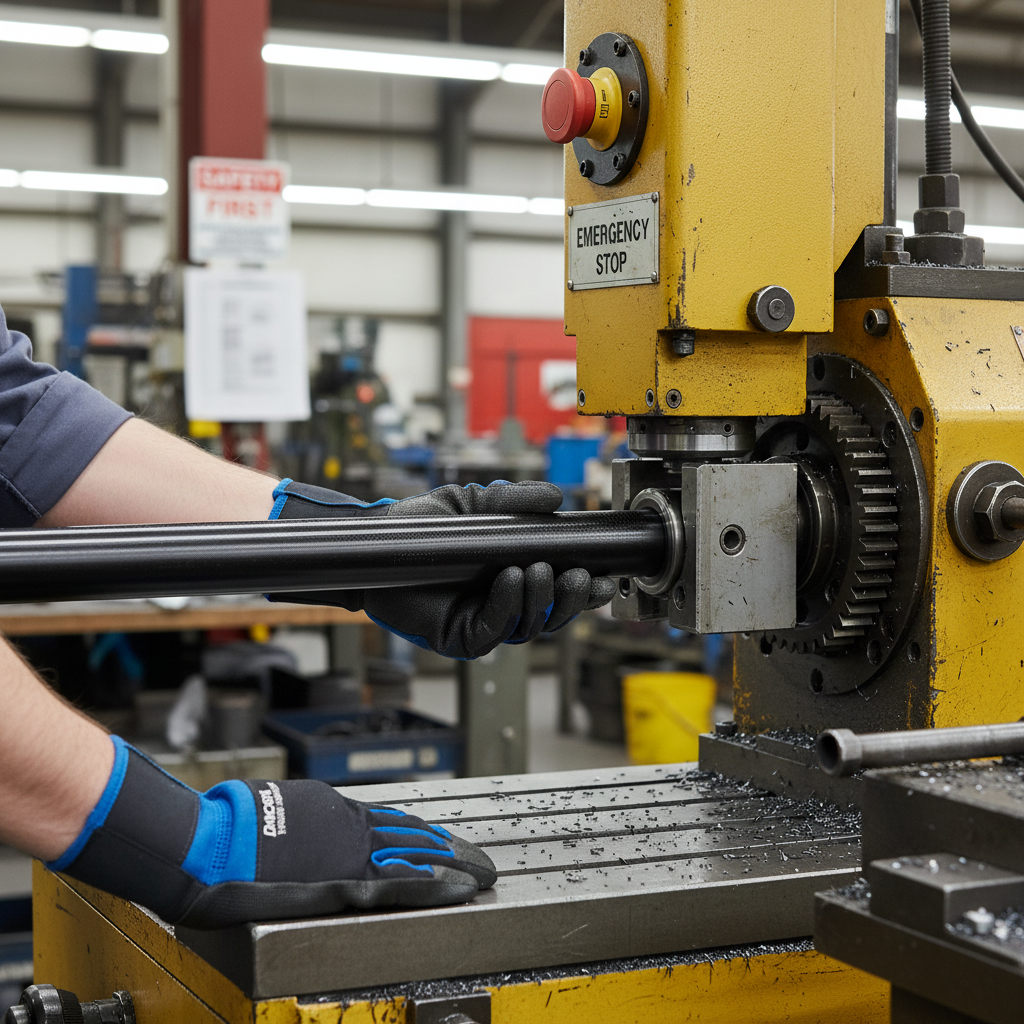
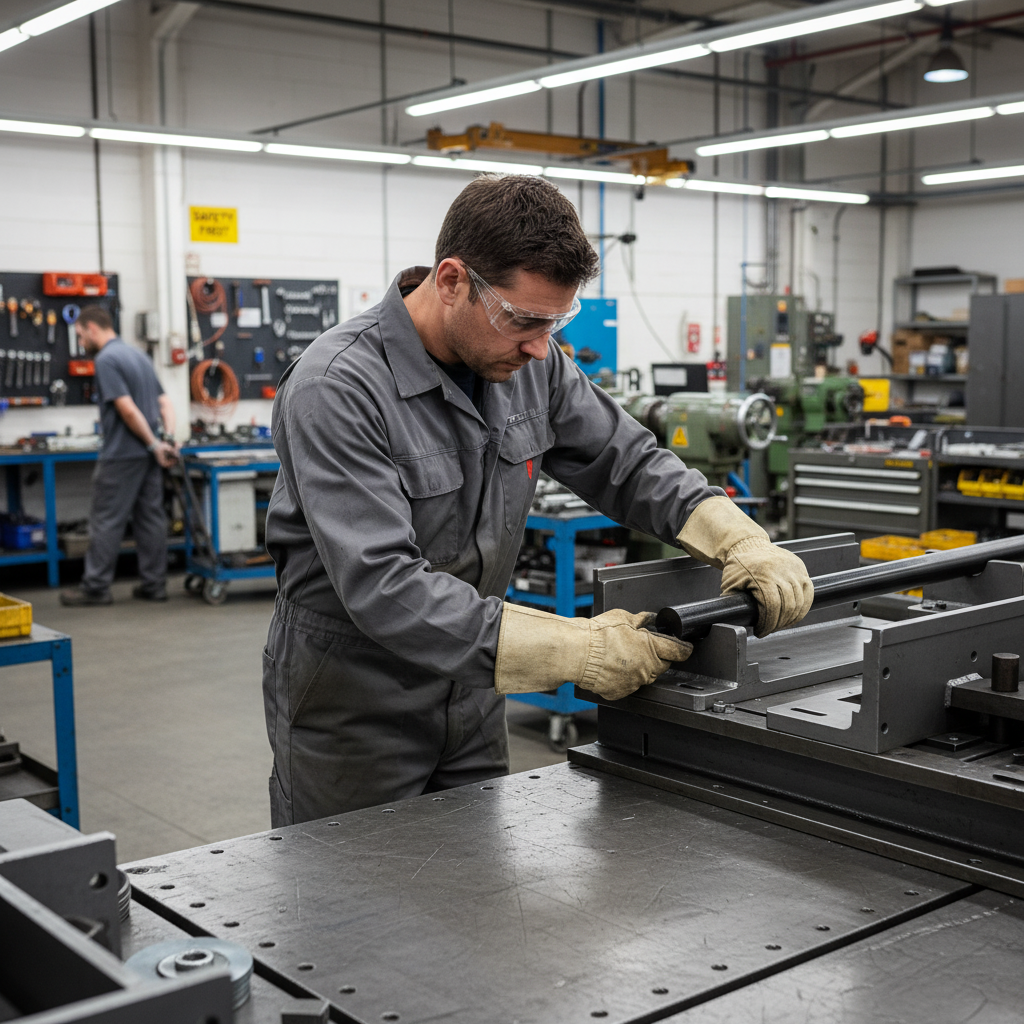
Ideal for use in mechanical engineering, fabrication workshops, maintenance departments and OEM production environments, these rods can be machined into a wide range of parts such as bushes, rollers, wear components, housings and structural supports. Available in multiple diameters and lengths, they provide a versatile stock material for both prototypes and production runs.
Product Features
- Manufactured from 30% glass filled polypropylene for increased stiffness and strength.
- Available diameters: 25 mm, 40 mm, 50 mm, 60 mm, 80 mm, 100 mm and 150 mm to suit a variety of component sizes.
- Standard lengths of 1000 mm and 2000 mm for flexible cutting and material optimisation.
- Excellent heat resistance compared with unfilled polypropylene, suitable for elevated operating temperatures.
- High chemical resistance to many oils, greases, solvents and aggressive cleaning agents.
- Good dimensional stability and low creep under load thanks to glass fibre reinforcement.
- Machinable on conventional metal- and plastic-working equipment for custom part production.
Key Features and Benefits
- Enhanced stiffness and rigidity reduce deflection under load, improving component reliability and performance.
- Improved temperature resistance allows use in applications where standard polypropylene would soften or deform.
- Excellent chemical resistance extends service life in harsh industrial environments with oils, fuels and cleaning chemicals.
- Good wear and abrasion resistance helps reduce maintenance intervals in moving or sliding assemblies.
- Low density versus many engineering plastics and metals offers weight savings without sacrificing strength.
- Easy to machine and fabricate, enabling cost-effective production of bespoke components and quick replacements.
Specifications
| Specification | Detail |
|---|---|
| Material | 30% glass fibre reinforced polypropylene (PP-GF30) |
| Available diameters | 25 mm, 40 mm, 50 mm, 60 mm, 80 mm, 100 mm, 150 mm |
| Available lengths | 1000 mm and 2000 mm |
| Temperature resistance (typical) | Continuous service up to approximately 100–120°C (application-dependent) |
| Chemical resistance | Resistant to many acids, alkalis, oils, greases and cleaning agents |
| Machinability | Suitable for turning, milling, drilling and sawing using standard tooling |
Applications and Ideal Uses
These 30% glass filled polypropylene rods are suitable for a wide range of mechanical and industrial applications where a combination of strength, heat resistance and chemical resistance is required.
- Precision machined components such as bushes, spacers, rollers and guides in machinery.
- Structural supports, brackets and load-bearing parts in mechanical assemblies and equipment frames.
- Wear-resistant components in conveyor systems, material handling equipment and automation lines.
- Chemically resistant parts for pumps, valves, housings and process equipment.
- Prototypes and development components in engineering workshops and design departments.
Frequently Asked Questions
Can 30% glass filled polypropylene rod be machined using standard workshop equipment?
Yes, this material can be machined on conventional lathes, mills, saws and drilling machines using standard tooling suitable for plastics. Sharp tools and appropriate cutting speeds are recommended to achieve a good surface finish and to minimise heat build-up.
Is this glass filled polypropylene rod suitable for outdoor use?
The rod offers good chemical and moisture resistance, which can be beneficial outdoors, but long-term weathering and UV exposure may affect properties over time. For critical outdoor applications, additional testing or protective measures may be advisable.
How do I choose the correct diameter and length for my application?
Select a diameter that comfortably exceeds the largest final machined dimension of your component, allowing for machining allowances. Choose a length (1000 mm or 2000 mm) that enables you to nest or cut multiple parts efficiently, minimising waste while leaving room for facing and finishing.