



Our Clients
Description
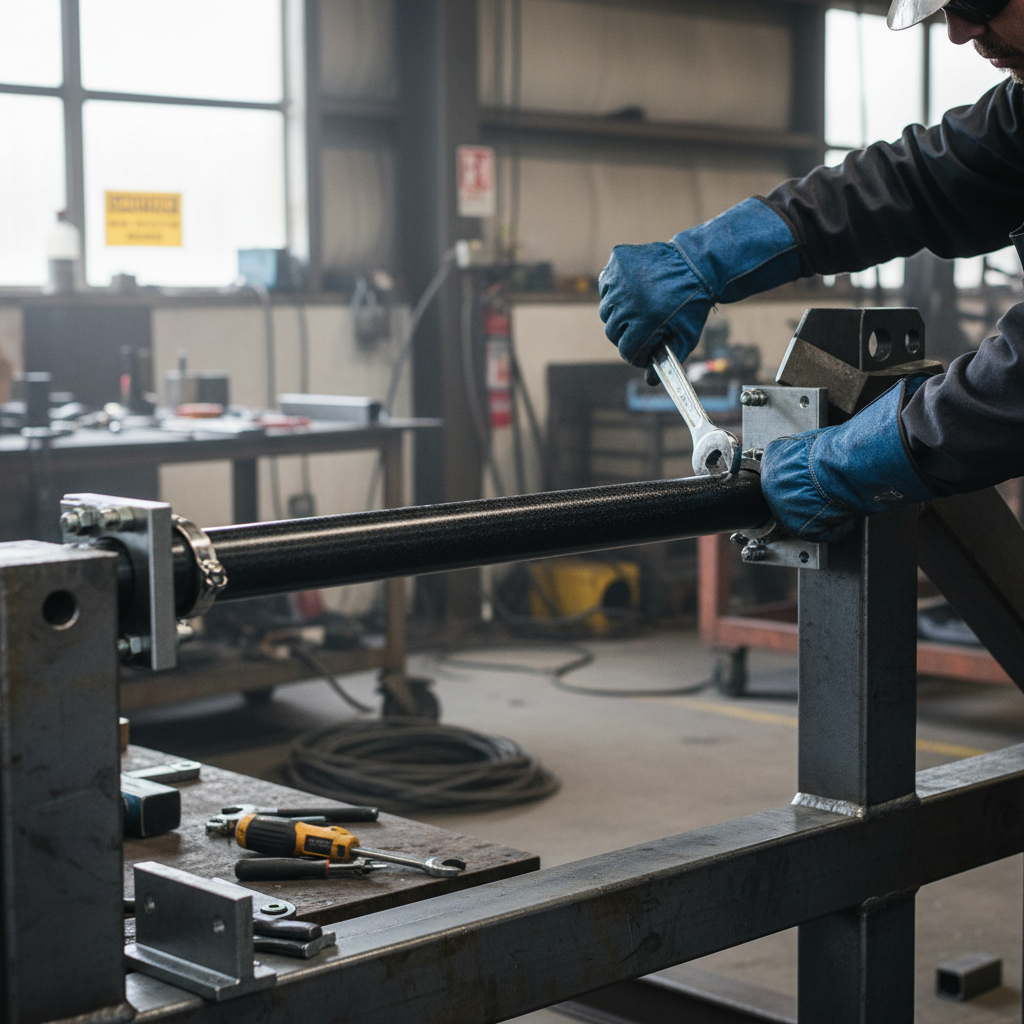
This premium glass fibre tube range is engineered for demanding structural applications where a combination of high strength, low weight and excellent bending resistance is essential. Manufactured from quality glass fibre composite, these tubes provide a robust alternative to metal while remaining easy to handle, cut and install on site or in the workshop.
Offering outstanding corrosion resistance and long-term durability, these tubes are ideal for use in outdoor, high-moisture or chemically challenging environments. Available in a choice of outside diameters, wall thicknesses and lengths, they can be tailored to suit frameworks, supports, reinforcement, sleeves and a wide variety of structural assemblies.
Product Features
- Available outside diameters of 12 mm (pack of 2), 38.1 mm and 44 mm to suit light-duty through to heavier structural requirements.
- Choice of wall thicknesses: 2 mm, 2.5 mm and 2.65 mm for different strength, stiffness and weight profiles.
- Supplied in multiple lengths including 2 x 2500 mm, 2 x 3000 mm, 5000 mm and 6000 mm for minimal joints and flexible design options.
- Lightweight glass fibre composite construction for easy handling and reduced overall structure weight compared with metal tube.
- Excellent bending resistance for use in load-bearing frameworks, supports and reinforcement applications.
- Corrosion-resistant material suitable for outdoor, marine, industrial and high-humidity environments.
- Electrically insulating properties typical of glass fibre composites, offering advantages over conductive metal tubing in certain installations.
Key Features and Benefits
- Reduces overall assembly weight while maintaining strength, helping to improve handling, transport and installation efficiency.
- Resists rust and corrosion, extending service life and reducing maintenance requirements in harsh or exposed conditions.
- Good stiffness and bending resistance enable reliable performance in structural frames, supports and reinforcement members.
- Can be cut, drilled and machined with appropriate tools, allowing easy customisation to specific project dimensions.
- Non-conductive glass fibre construction helps improve safety in applications where electrical insulation is required.
- Range of diameters, wall thicknesses and lengths supports both prototype builds and repeat production runs with consistent quality.
Specifications
| Specification | Detail |
|---|---|
| Outside diameter options | 12 mm (pack of 2), 38.1 mm, 44 mm |
| Wall thickness options | 2 mm, 2.5 mm, 2.65 mm |
| Available lengths | 2 x 2500 mm, 2 x 3000 mm, 5000 mm, 6000 mm |
| Material | Glass fibre composite tube |
| Typical properties | Lightweight, high strength, corrosion-resistant with excellent bending resistance |
| Supply format | Individual tubes or packs (12 mm diameter supplied as pack of 2) |
Applications and Ideal Uses
These premium glass fibre tubes are suitable for a wide variety of structural and support applications across industrial, commercial and hobbyist projects.
- Frameworks and support structures for equipment, enclosures and displays.
- Reinforcement members in composite assemblies, panels and profiles.
- Outdoor and marine structural components where corrosion resistance is critical.
- Non-conductive supports, standoffs and barriers in electrical or electronic installations.
- Custom jigs, fixtures and prototypes requiring strong yet lightweight tubing.
Frequently Asked Questions
Can these glass fibre tubes be cut to shorter lengths on site?
Yes, the tubes can be cut to size using appropriate cutting tools such as a fine-toothed saw or abrasive cutting wheel. It is recommended to support the tube during cutting and to use suitable personal protective equipment to manage dust and fibres.
Are these glass fibre tubes suitable for outdoor use and exposure to moisture?
Yes, the glass fibre composite material offers excellent resistance to moisture and corrosion, making the tubes suitable for outdoor, high-humidity and many industrial environments. As with any composite, overall life will depend on the specific conditions and loading in service.
Are the tubes electrically insulating and can they replace metal tubes in electrical applications?
The glass fibre material is inherently non-conductive and typically provides good electrical insulation compared with metal tubes. However, suitability for a particular electrical application should be confirmed by checking the required insulation rating and any relevant standards before use.