


Our Clients
Description
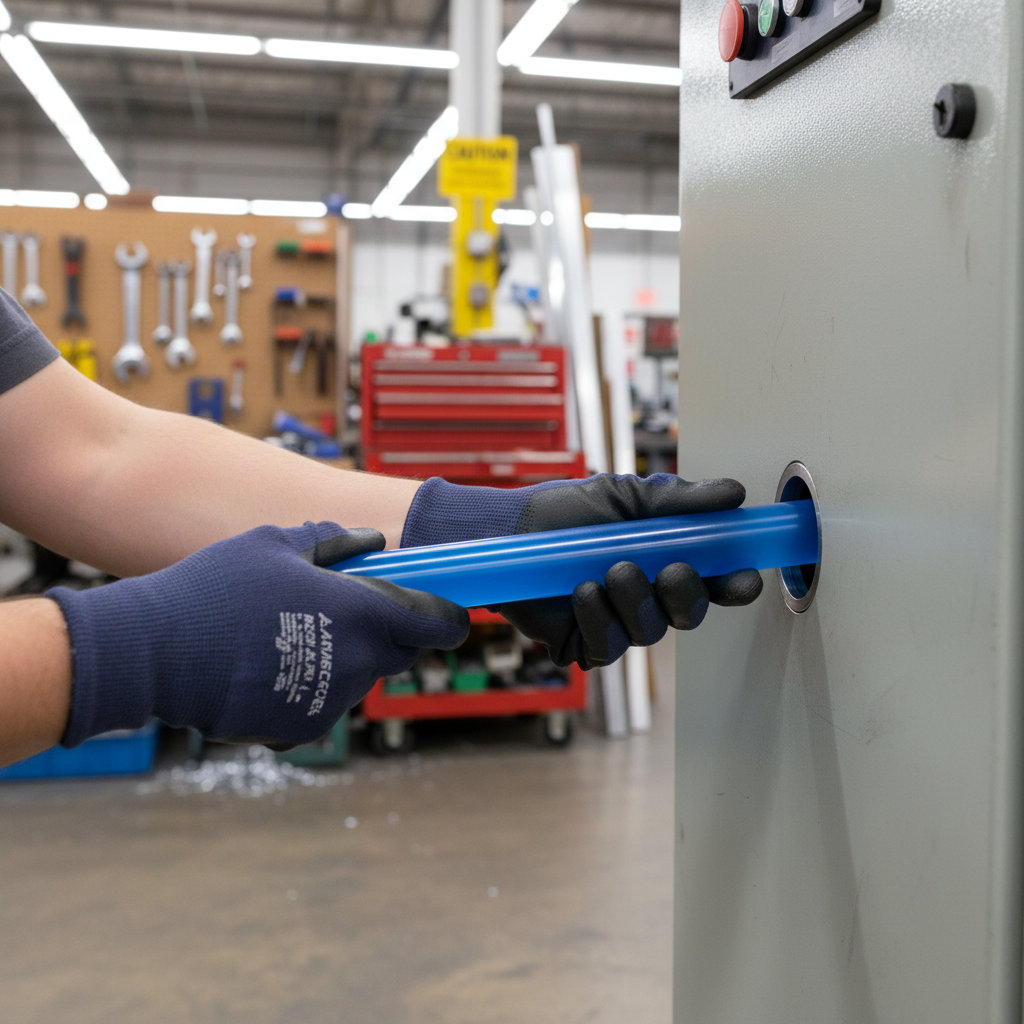
This premium high-performance fluorescent blue acrylic rod is engineered for striking visual impact and dependable performance in demanding applications. Manufactured from high-quality cast acrylic, it offers excellent clarity, vibrant colour and a bright fluorescent edge effect that stands out under both natural and artificial lighting.
Ideal for point-of-sale displays, illuminated signage, architectural features and creative lighting projects, these rods combine aesthetic appeal with robust mechanical and weathering properties. Available in a fixed 2000 mm length and a choice of diameters, they are easy to machine, fabricate and integrate into bespoke designs.
Product Features
- Fluorescent blue acrylic rod with vivid edge-glow effect for high visual impact.
- Available diameters: 20 mm, 25 mm, 30 mm, 40 mm and 50 mm to suit a range of design and structural requirements.
- Standard length of 2000 mm, ideal for cutting down into multiple components or longer continuous runs.
- Manufactured from high-quality cast acrylic for superior clarity and consistency.
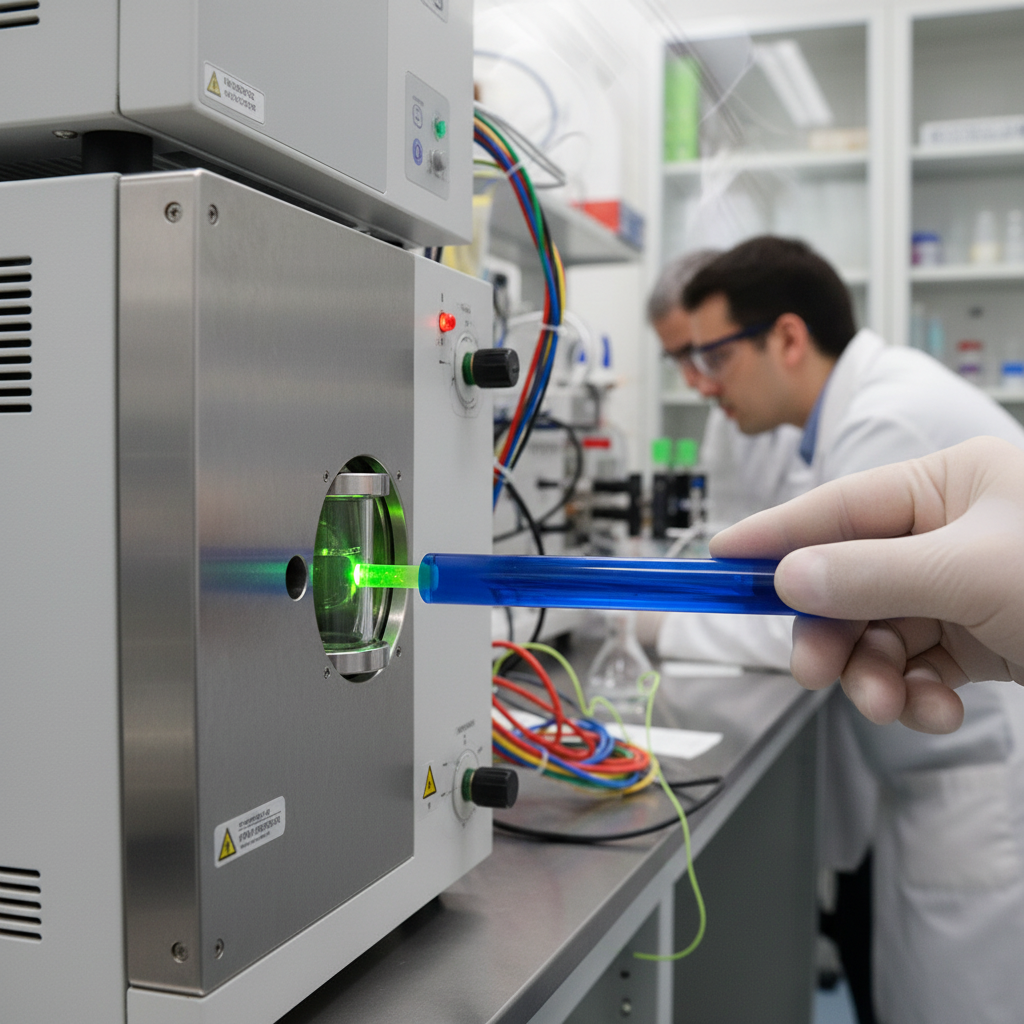
- Excellent light transmission, making it suitable for edge-lit and backlit lighting applications.
- Good weathering and UV resistance for long-term indoor and many outdoor display uses.
- Machinable and suitable for cutting, drilling, polishing and bonding with appropriate tools and adhesives.
Key Features and Benefits
- High visual impact: Fluorescent blue colour with edge glow enhances the visibility of displays, signage and feature lighting.
- Design flexibility: Multiple diameter options allow you to balance aesthetics, strength and weight for each project.
- Durable and long-lasting: Acrylic offers good impact resistance relative to glass and excellent resistance to weathering and ageing.
- Lightweight alternative to glass: Easier to handle, transport and install, with reduced risk of breakage.
- Easy to fabricate: Can be cut, turned, machined and polished to achieve precise dimensions and high-quality finishes.
- Consistent optical quality: High clarity and uniform colour help ensure even illumination and professional-looking results.
Specifications
| Specification | Detail |
|---|---|
| Material | Cast acrylic (PMMA), fluorescent blue |
| Available diameters | 20 mm, 25 mm, 30 mm, 40 mm, 50 mm |
| Standard length | 2000 mm (2 m) |
| Light transmission | High, suitable for illuminated and edge-lit applications |
| Service temperature (typical) | Approx. -40 °C to +80 °C (continuous, application dependent) |
| Processing | Can be cut, drilled, machined and polished with appropriate equipment |
Applications and Ideal Uses
These fluorescent blue acrylic rods are suited to a wide range of display, decorative and engineering uses where visual impact and reliable performance are required.
- Retail point-of-sale displays, product stands and merchandising features.
- Illuminated signage, light guides and edge-lit decorative elements.
- Architectural accents, balustrade features and interior design installations.
- Exhibition and museum displays, stands and interactive installations.
- Creative projects, props, set design and bespoke lighting concepts.
Frequently Asked Questions
Can I cut the acrylic rod to shorter lengths myself?
Yes, the 2000 mm rods can be cut to size using suitable tools such as a fine-toothed saw or dedicated plastic-cutting equipment. For best results, support the rod firmly while cutting and finish the ends by sanding and polishing if a smooth, clear edge is required.
Is the fluorescent blue acrylic rod suitable for outdoor use?
Acrylic has good resistance to weathering and UV exposure, making it suitable for many outdoor display and signage applications. However, performance can vary with conditions and installation, so it is advisable to assess the environment and provide appropriate fixings and protection where necessary.
Can the rod be drilled or machined without cracking?
Yes, the rod can be drilled and machined using sharp tools designed for plastics and appropriate feed rates. To minimise the risk of chipping or cracking, avoid excessive pressure, keep the material well supported and, where possible, carry out trial operations on an offcut first.