


Our Clients
Description
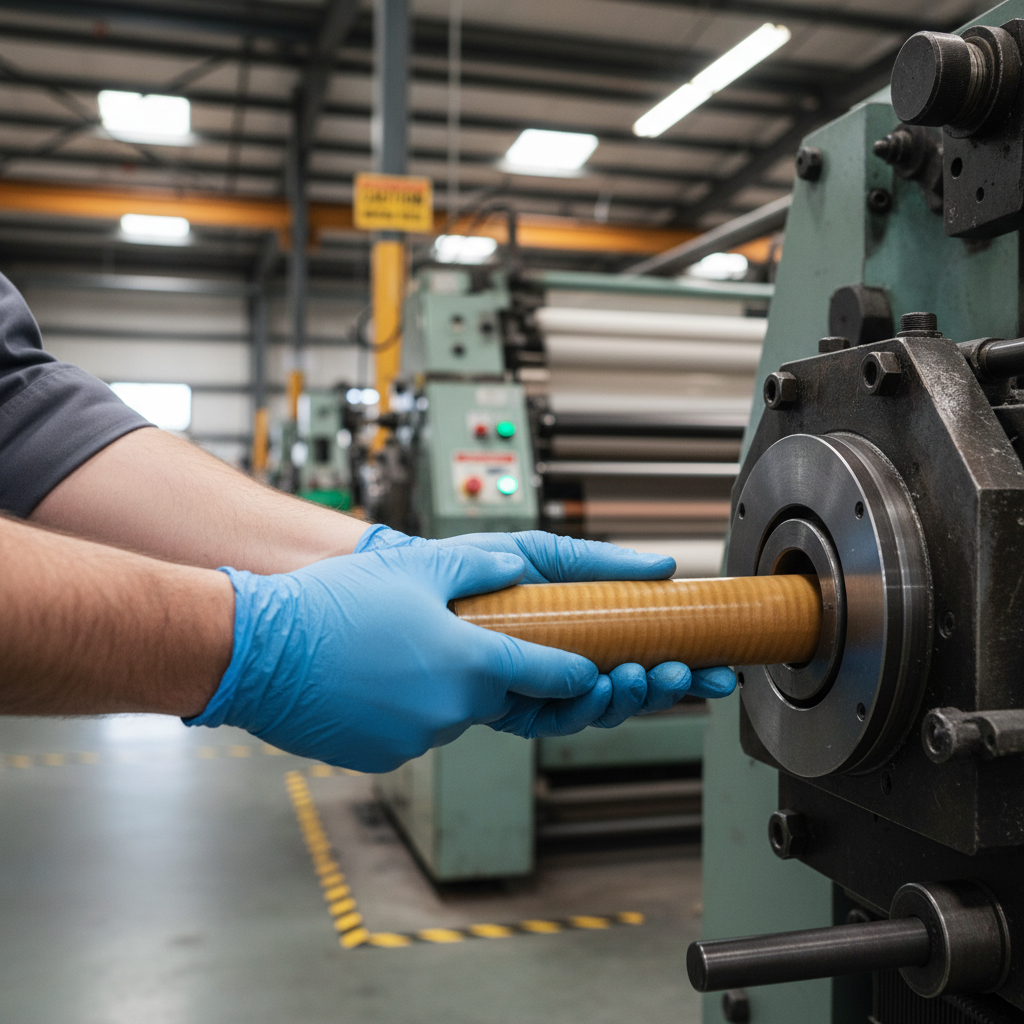
These premium extruded natural rods are high-performance engineering plastic stock shapes designed for demanding precision components. Offering exceptional mechanical strength, rigidity, and dimensional stability, they provide an excellent base material for machined parts in critical applications.
Combining outstanding hydrolysis resistance with a wide continuous service temperature range, these rods are particularly suited to electrical, electronic, and medical environments where long-term reliability, cleanliness, and consistent performance are essential.
Product Features
- Available diameters from 10 mm (pack of 3) and 12 mm (pack of 2) through 16 mm, 20 mm, 25 mm and many additional sizes to suit a wide range of machined components.
- Standard rod lengths of 1000 mm, 2000 mm, and 3000 mm to minimise joints and maximise design flexibility.
- Manufactured in natural (unpigmented) engineering plastic for easy inspection of machined surfaces and high cleanliness.
- High rigidity and strength for precise, load-bearing parts subject to mechanical stress.
- Outstanding resistance to hydrolysis and hot water exposure, ideal for moisture-rich or steam-sterilised environments.
- Wide working temperature range, supporting both elevated and low-temperature applications without excessive creep.
- Consistent extrusion quality suitable for turning, milling, drilling and other standard machining operations.
Key Features and Benefits
- High rigidity ensures components maintain shape and alignment under mechanical load, improving equipment reliability.
- Excellent hydrolysis resistance extends service life in humid, wet or steam-sterilised conditions, helping reduce maintenance and replacement costs.
- Wide operating temperature window allows the same material to be specified across hot and cold zones, simplifying material selection.
- Natural, unfilled material offers good electrical insulation properties, supporting safe design of electrical and electronic components.
- Good machinability enables precise tolerances, clean edges and smooth finishes, reducing finishing time and waste.
- Multiple diameter and length options reduce offcuts and help optimise material yield for both prototypes and production runs.
Specifications
| Specification | Detail |
|---|---|
| Material | High-performance extruded engineering plastic, natural (unpigmented) |
| Diameter options (mm) | 10 (pack of 3), 12 (pack of 2), 16, 20, 25, plus a further range of intermediate and larger diameters |
| Standard lengths (mm) | 1000, 2000, 3000 |
| Temperature performance | Wide continuous service temperature range, suitable for both low and elevated temperatures (application-dependent) |
| Hydrolysis resistance | Outstanding resistance to hot water, steam and moisture-rich environments |
| Machining suitability | Designed for turning, milling, drilling and general precision machining |
Applications and Ideal Uses
These premium extruded rods are suitable for precision-engineered parts in high-performance assemblies, particularly where electrical insulation, moisture exposure and temperature extremes must be carefully controlled.
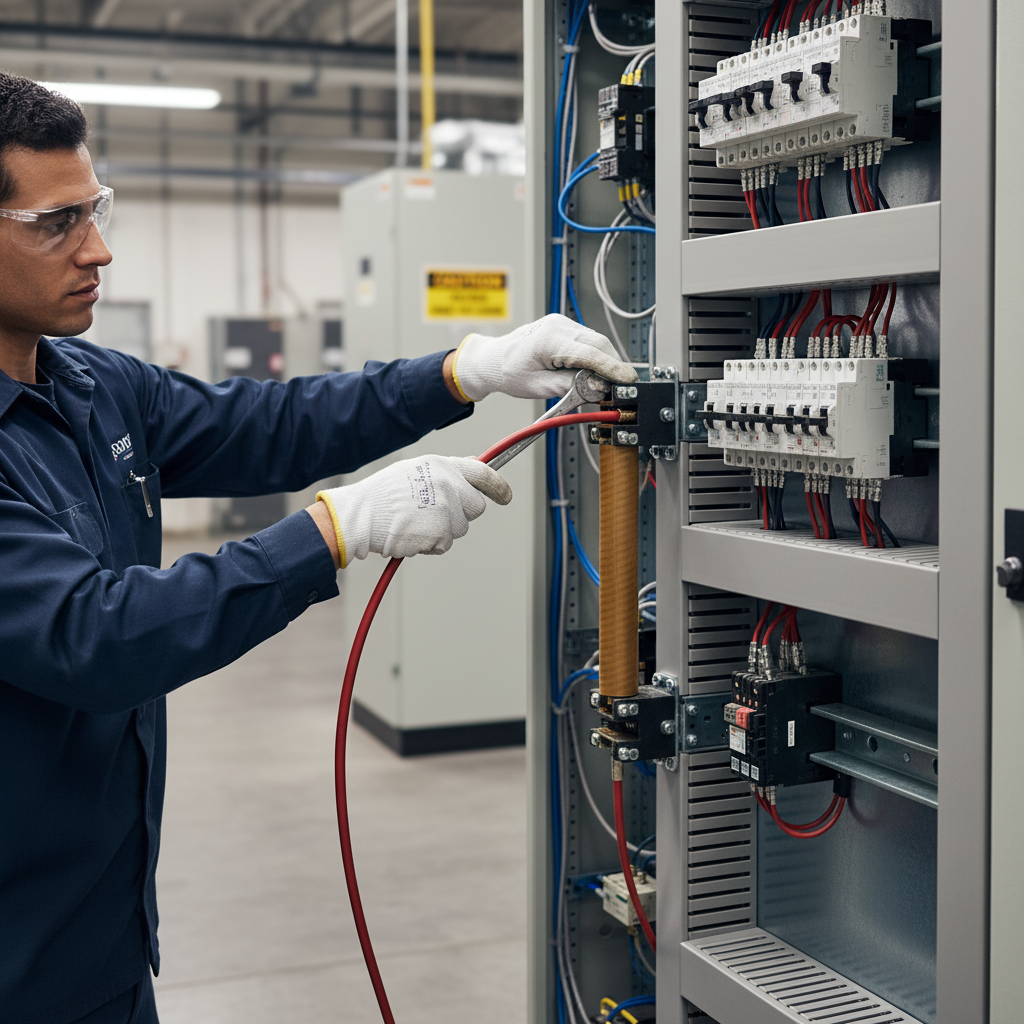
- Insulating components, spacers and supports in electrical and electronic equipment.
- Machined parts, guides and housings in medical and laboratory devices (subject to regulatory approval).
- Structural and wear components in industrial machinery operating across variable temperatures.
- Precision bushings, rollers and sleeves in moist or washdown environments.
- Prototyping and small-batch production where consistent, high-quality engineering plastic stock is required.
Frequently Asked Questions
Can these rods be used for electrical insulation components?
Yes, the natural engineering plastic provides good electrical insulation properties, making the rods suitable for insulating spacers, supports and other non-conductive parts, provided the design and operating conditions are appropriately assessed.
Are the rods suitable for applications involving steam or hot water?
These rods offer outstanding hydrolysis resistance and are designed to perform well in humid, wet and steam-influenced environments. Always confirm suitability against the specific temperature, pressure and exposure duration of your application.
Which diameter and length should I choose for my project?
Select a diameter that provides sufficient machining allowance while keeping waste to a minimum, and choose the closest standard length (1000, 2000 or 3000 mm) that allows you to cut all required parts efficiently from each rod. If in doubt, it is often practical to allow a small extra margin for workholding and finishing.