


Our Clients
Description
This premium high-performance epoxy tooling board is engineered for demanding CNC machining applications where accuracy, repeatability and a fine surface finish are critical. With a density of 0.7 g/cm³ and a distinctive green colour, it provides a stable, homogeneous substrate that machines cleanly and consistently, helping to reduce finishing time and tool wear.
Designed for design, architectural and modelmaking environments, this board offers excellent dimensional stability and heat resistance, making it ideal for master models, styling models, checking fixtures and low-volume moulds. Available in a choice of thicknesses and sheet sizes, it can be tailored to suit a wide range of workshop layouts and component sizes.
Product Features
- Density of 0.7 g/cm³ for a robust yet easily machinable epoxy tooling substrate.
- High dimensional stability to maintain precise geometries during and after CNC machining.
- Distinctive green colour for clear visual contrast when marking out and inspecting details.
- Available thickness options of 50 mm and 100 mm to suit different tooling and model depths.
- Sheet lengths of 250 mm, 500 mm and 1500 mm for anything from small components to larger master patterns.
- Sheet widths of 250 mm and 500 mm to optimise material usage and reduce offcuts.
- Epoxy-based formulation providing good heat resistance and low internal stresses for accurate machining.
Key Features and Benefits
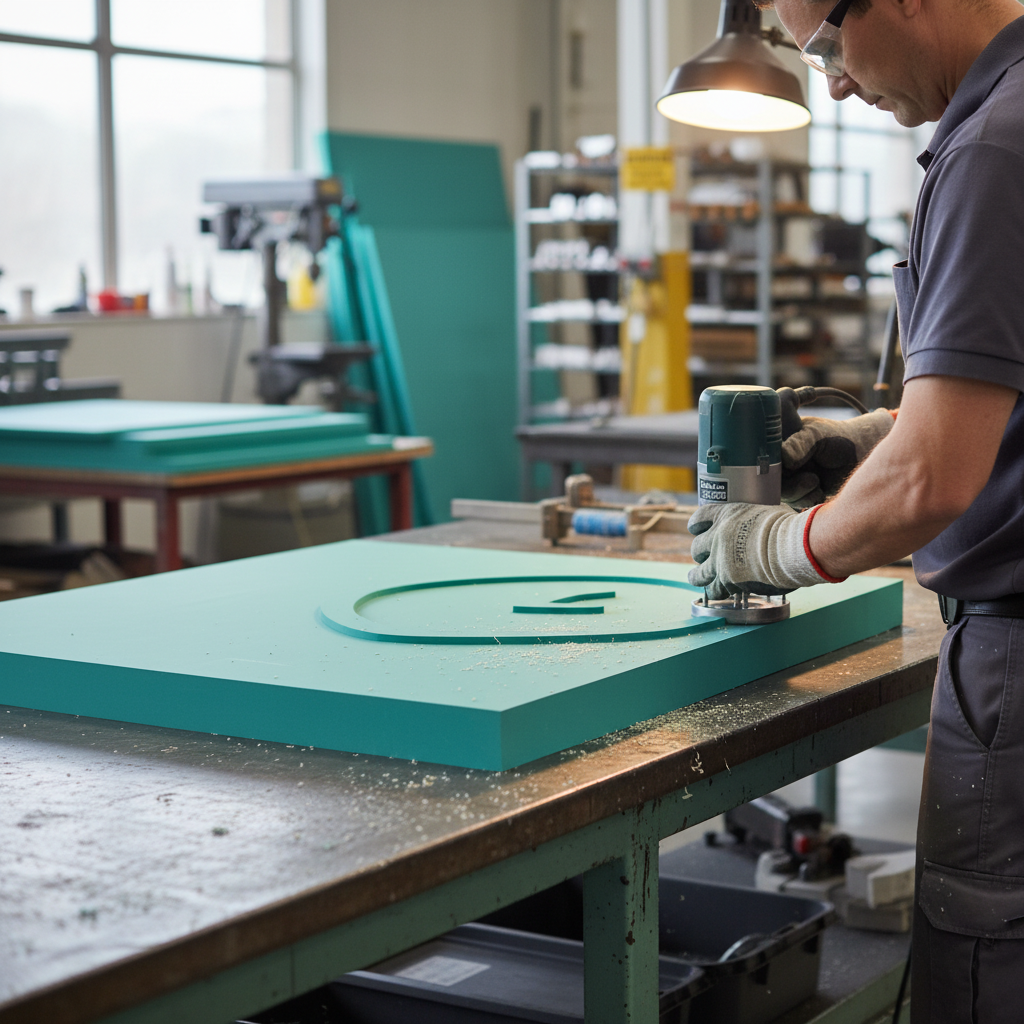
- Machines cleanly on CNC equipment, helping to achieve sharp edges, fine detail and a high-quality surface ready for minimal finishing.
- Excellent dimensional stability reduces the risk of distortion, improving accuracy for jigs, fixtures and precision models.
- Lightweight compared with metal tooling, making handling, transport and set-up easier in the workshop.
- Good resistance to temperature changes supports use in curing, pattern-making and prototype tooling without significant movement.
- Uniform, pore-free structure minimises pinholes and imperfections, improving paint, lacquer and release agent finishes.
- Range of standard sheet sizes helps reduce waste and machining time by allowing closer matching of stock to final component size.
Specifications
| Specification | Detail |
|---|---|
| Material | Epoxy tooling board |
| Density | 0.7 g/cm³ (700 kg/m³) |
| Colour | Green |
| Available thicknesses | 50 mm, 100 mm |
| Available sheet lengths | 250 mm, 500 mm, 1500 mm |
| Available sheet widths | 250 mm, 500 mm |
Applications and Ideal Uses
This epoxy tooling board is suited to a wide variety of design, architectural and industrial prototyping tasks where high dimensional accuracy and a high-quality machined finish are required.
- Architectural models and detailed scale prototypes for planning and presentation.
- Automotive and product styling models produced on CNC routers or milling machines.
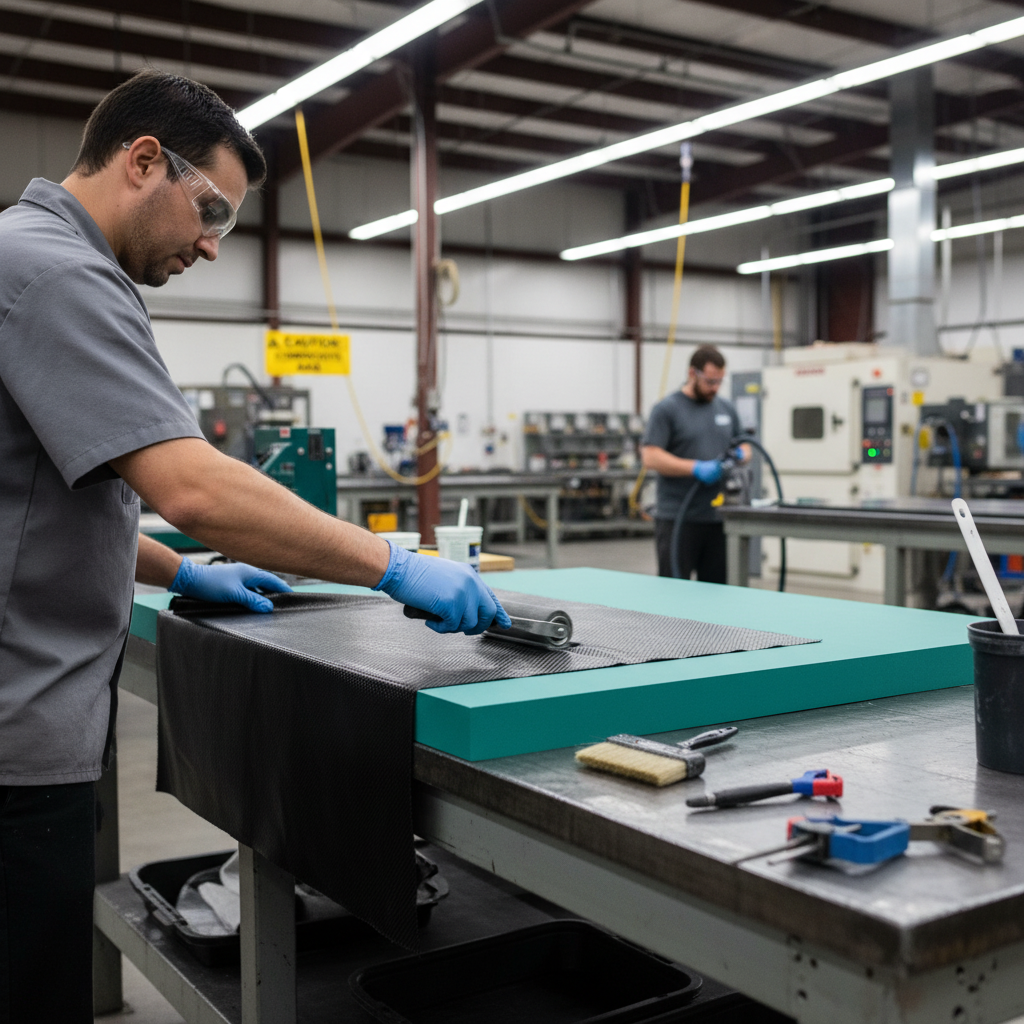
- Master patterns and moulds for composite lay-up, vacuum forming and low-volume tooling.
- Checking and assembly fixtures where consistent dimensions and stability are essential.
- Concept, ergonomic and form studies in industrial design studios and model shops.
Frequently Asked Questions
Can this epoxy tooling board be machined on standard CNC routers and mills?
Yes, the board is designed to be compatible with standard CNC routers and milling machines. Using appropriate tooling and cutting parameters for plastics, it machines cleanly and produces a fine surface finish.
Which thickness and sheet size should I choose for my project?
For shallow models, fixtures or small components, 50 mm sheets in 250 mm or 500 mm lengths and widths are often sufficient and help minimise waste. For deeper tools, larger master patterns or where extra machining allowance is required, the 100 mm thickness and 1500 mm length options are typically more suitable.
Is the board suitable for making moulds that will be exposed to elevated temperatures?
The epoxy formulation provides good thermal stability for many prototype tooling and curing applications, but it is important to check your process temperatures against typical epoxy tooling board limits. For prolonged exposure to high temperatures, confirm compatibility with the intended process conditions and allow for appropriate post-curing where required.