



Our Clients
Description
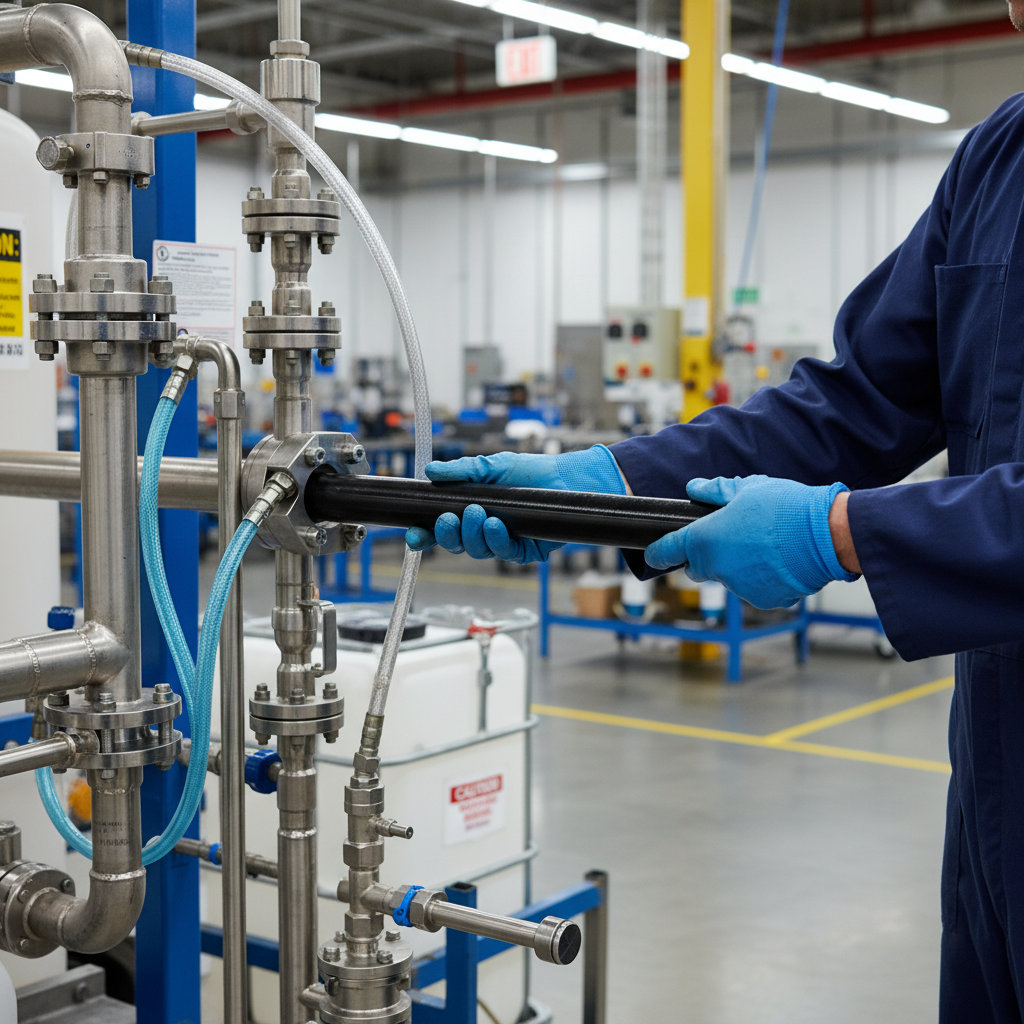
This premium electrically conductive black rod is manufactured from high-purity PVDF (polyvinylidene fluoride), offering a robust engineering plastic solution where static dissipation and reliable conductivity are essential. Its consistent electrical properties, combined with excellent mechanical strength, make it ideal for precision components and high-performance assemblies.
With outstanding chemical resistance and a wide temperature tolerance, this PVDF rod is particularly suited to demanding industrial environments such as chemical processing, semiconductor production, and specialist electrical or electronic applications. Supplied in a range of diameters and lengths, it can be easily machined to create custom parts, fixtures and housings.
Product Features
- Available diameters of 20 mm, 40 mm and 60 mm to suit a variety of machining and design requirements.
- Supplied in standard lengths of 1000 mm and 2000 mm for flexible cutting, turning and fabrication.
- High-purity PVDF construction for reliable performance in critical engineering and process environments.
- Electrically conductive black formulation designed to dissipate static and control unwanted charge build-up.
- Excellent chemical resistance to a wide range of acids, bases and industrial solvents.
- Broad operating temperature range, suitable for both elevated-temperature and low-temperature service.
- Good dimensional stability and machinability, allowing precise tolerances and smooth surface finishes.
Key Features and Benefits
- Provides controlled electrical conductivity to help minimise electrostatic discharge risks around sensitive equipment and components.
- Resists attack from aggressive chemicals, reducing the risk of swelling, cracking or degradation in harsh process conditions.
- Maintains strength and rigidity over a wide temperature range, supporting reliable long-term performance in demanding operating environments.
- Machines cleanly using conventional metal- and plastic-working tools, helping to reduce waste and speed up component production.
- Consistent material quality and uniform black colour aid in quality control, visual inspection and aesthetic integration into assemblies.
- Supplied in practical rod formats and multiple diameters, enabling efficient stockholding and versatile in-house fabrication.
Specifications
| Specification | Detail |
|---|---|
| Material | Electrically conductive PVDF (polyvinylidene fluoride), black |
| Available diameters | 20 mm, 40 mm, 60 mm |
| Available lengths | 1000 mm, 2000 mm |
| Chemical resistance | High resistance to many acids, bases and industrial solvents |
| Typical service temperature range | Approx. -20 °C to +120 °C (application dependent) |
| Form | Solid cylindrical rod for machining and fabrication |
Applications and Ideal Uses
This electrically conductive PVDF rod is designed for specialist engineering, electrical and process-industry use where a combination of chemical resistance, temperature tolerance and static control is required.
- Machined components and fixtures in chemical processing and handling equipment.
- Electrically conductive parts, housings and supports in electronics and semiconductor production areas.
- Anti-static rollers, guides and wear parts in material handling and conveying systems.
- Insulation and structural components that require controlled conductivity near sensitive electrical equipment.
- Custom laboratory jigs, clamps and fittings exposed to aggressive media.
Frequently Asked Questions
Can this conductive PVDF rod be machined using standard workshop equipment?
Yes, the rod can be machined with conventional metal- and plastic-working tools such as lathes, mills and saws. Using sharp tooling, appropriate cutting speeds and adequate support will help achieve precise dimensions and a good surface finish.
Is this material suitable for continuous use at high temperatures?
The rod offers good temperature tolerance and can typically be used in applications from around -20 °C up to approximately +120 °C, depending on load and environment. For continuous service at the upper end of the range, the specific operating conditions should be reviewed to confirm suitability.
How do I choose the correct diameter and length for my application?
Select a diameter (20 mm, 40 mm or 60 mm) that comfortably covers the largest finished dimension of your machined part, allowing for machining allowances. Choose 1000 mm or 2000 mm lengths based on the number and size of components you intend to produce, factoring in cutting and waste.