



Our Clients
Description
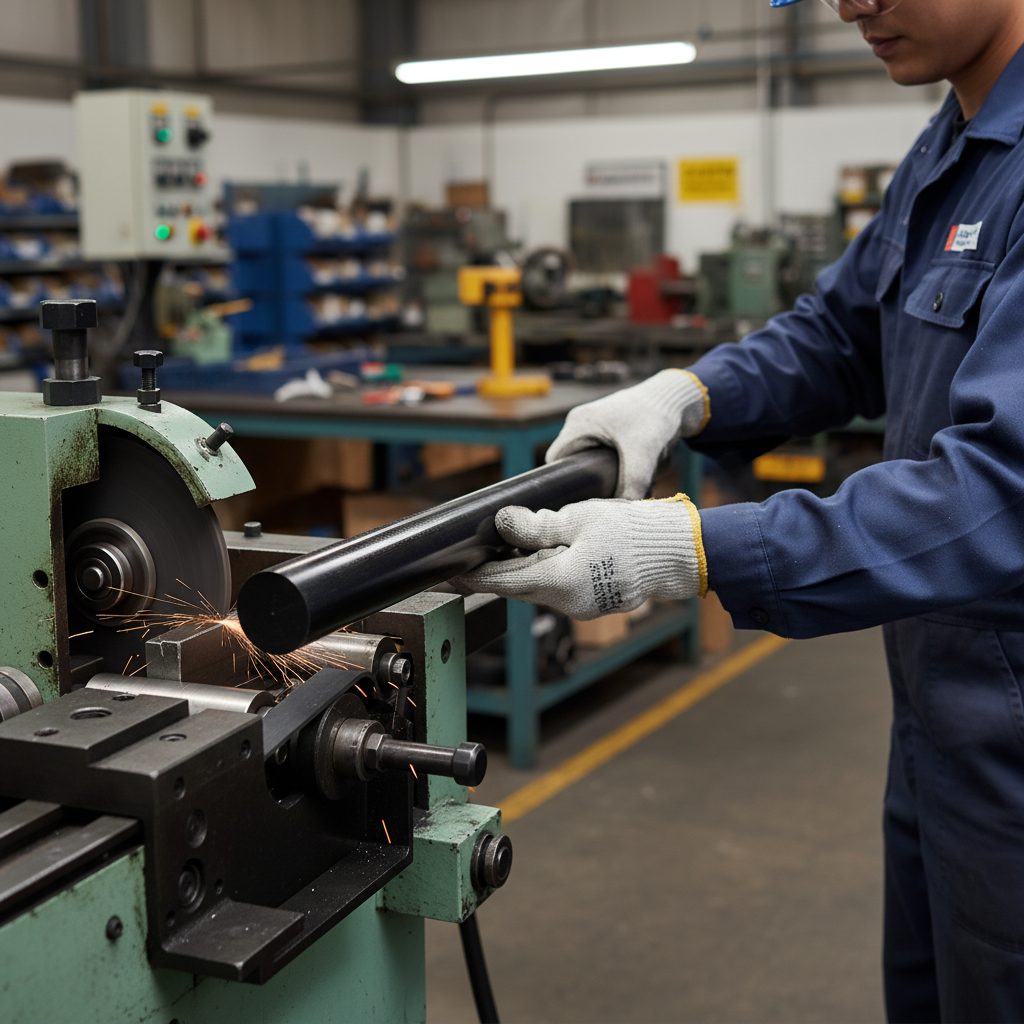
This premium electrically conductive acetal C black rod is a high-performance engineering plastic designed for applications where both excellent mechanical strength and controlled electrical conductivity are required. Manufactured from modified acetal copolymer, it offers a stable, hard-wearing and dimensionally accurate solution for precision-machined components.
Ideally suited to use in electrical, electronic and industrial machinery environments, this rod helps dissipate static build-up while maintaining the low friction, wear resistance and machining characteristics associated with acetal. Available in a choice of diameters and lengths, it provides a reliable material option for custom parts, jigs, fixtures and housings in demanding technical applications.
Product Features
- Electrically conductive acetal C black rod suitable for engineering and technical applications.
- Available diameters: 30 mm, 50 mm, 80 mm and 100 mm to suit a wide range of component sizes.
- Standard lengths of 1000 mm, 2000 mm and 3000 mm for efficient material utilisation and cutting.
- High mechanical strength with good stiffness and dimensional stability under load.
- Low coefficient of friction and excellent wear resistance for moving and sliding parts.
- Good machinability, allowing accurate turning, milling and drilling of complex shapes.
- Black colour provides uniform appearance and assists with light and static management in assemblies.
Key Features and Benefits
- Enhanced electrical properties help control static build-up and provide a conductive path where required.
- Maintains the strength, rigidity and fatigue resistance expected of quality acetal engineering plastics.
- Excellent dimensional stability supports close tolerances and consistent performance in precision parts.
- Low friction surface reduces wear and helps extend service life in sliding or rotating applications.
- Wide range of diameters and lengths minimises waste and reduces machining time from standard stock.
- Resistant to many oils, greases and common industrial fluids for dependable use in harsh environments.
Specifications
| Specification | Detail |
|---|---|
| Material | Electrically conductive acetal copolymer (black) |
| Available diameters | 30 mm, 50 mm, 80 mm, 100 mm |
| Standard lengths | 1000 mm, 2000 mm, 3000 mm |
| Typical operating temperature range | Approximately -40 °C to +100 °C (application dependent) |
| Electrical properties | Electrically conductive / static dissipative performance (exact values application dependent) |
| Colour | Black |
Applications and Ideal Uses
This conductive acetal rod is intended for precision-machined components where reliable mechanical performance must be combined with controlled electrical conductivity.
- Jigs, fixtures and support components in electronics assembly areas.
- Machined housings, covers and guards for electrical and control equipment.
- Sliding and rotating parts in machinery where static build-up must be reduced.
- Handling equipment, guides and tooling in environments sensitive to electrostatic discharge.
- Custom-engineered components for automation, robotics and test equipment.
Frequently Asked Questions
Can this electrically conductive acetal rod be machined using standard metalworking tools?
Yes, the rod can generally be machined with conventional metalworking tools, such as lathes and milling machines, using sharp tooling and appropriate cutting speeds. Coolants or lubricants suitable for plastics are recommended to help achieve a good surface finish and prevent overheating.
Is this material suitable for use in high-temperature applications?
The rod offers good performance over a typical operating range of around -40 °C to +100 °C, depending on the application and loading. It is not intended for continuous use at elevated temperatures beyond this range, so for high-temperature environments an alternative engineering plastic may be required.
How do I choose the correct diameter and length for my project?
Select a diameter that comfortably covers the largest finished dimension of your component, allowing for machining allowances, and choose the nearest standard length (1000 mm, 2000 mm or 3000 mm) that minimises offcuts. This helps reduce material waste and machining time while ensuring you have sufficient stock for all required parts.