


Our Clients
Description
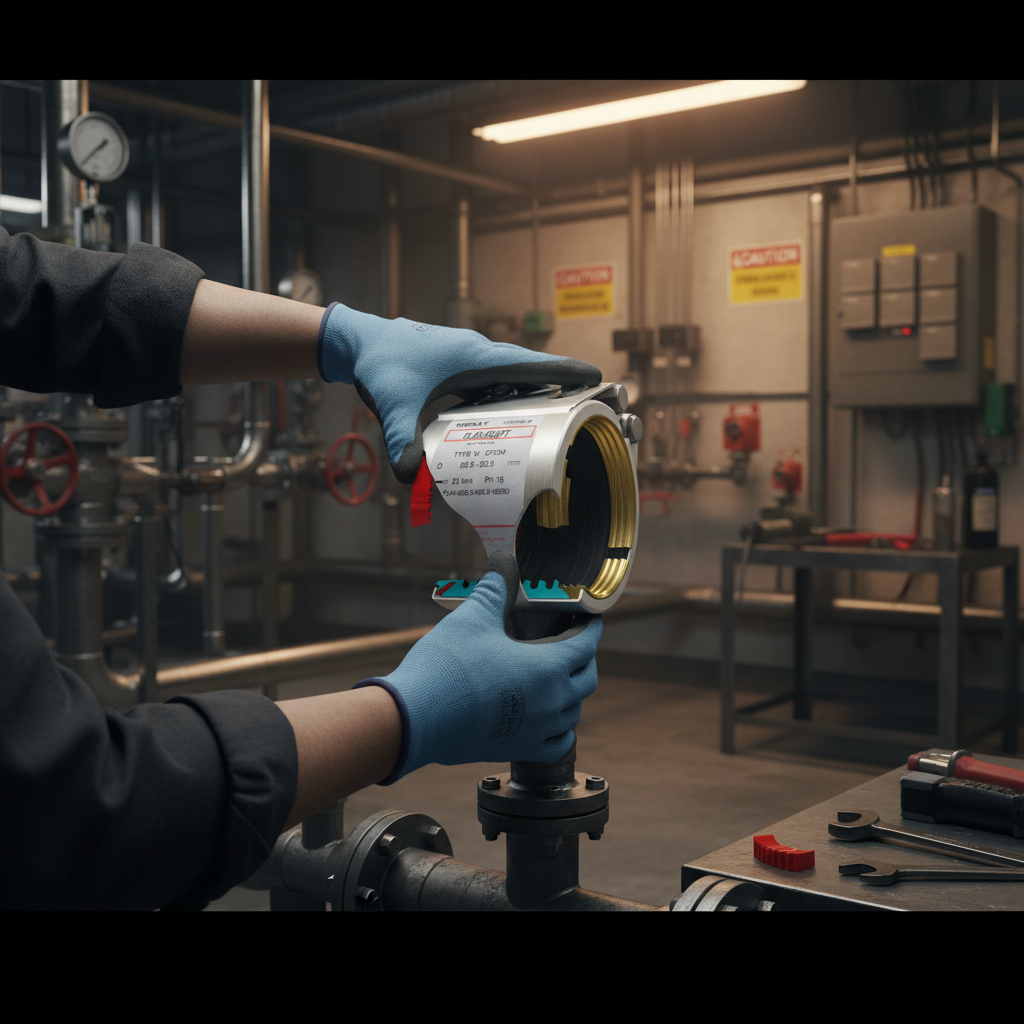
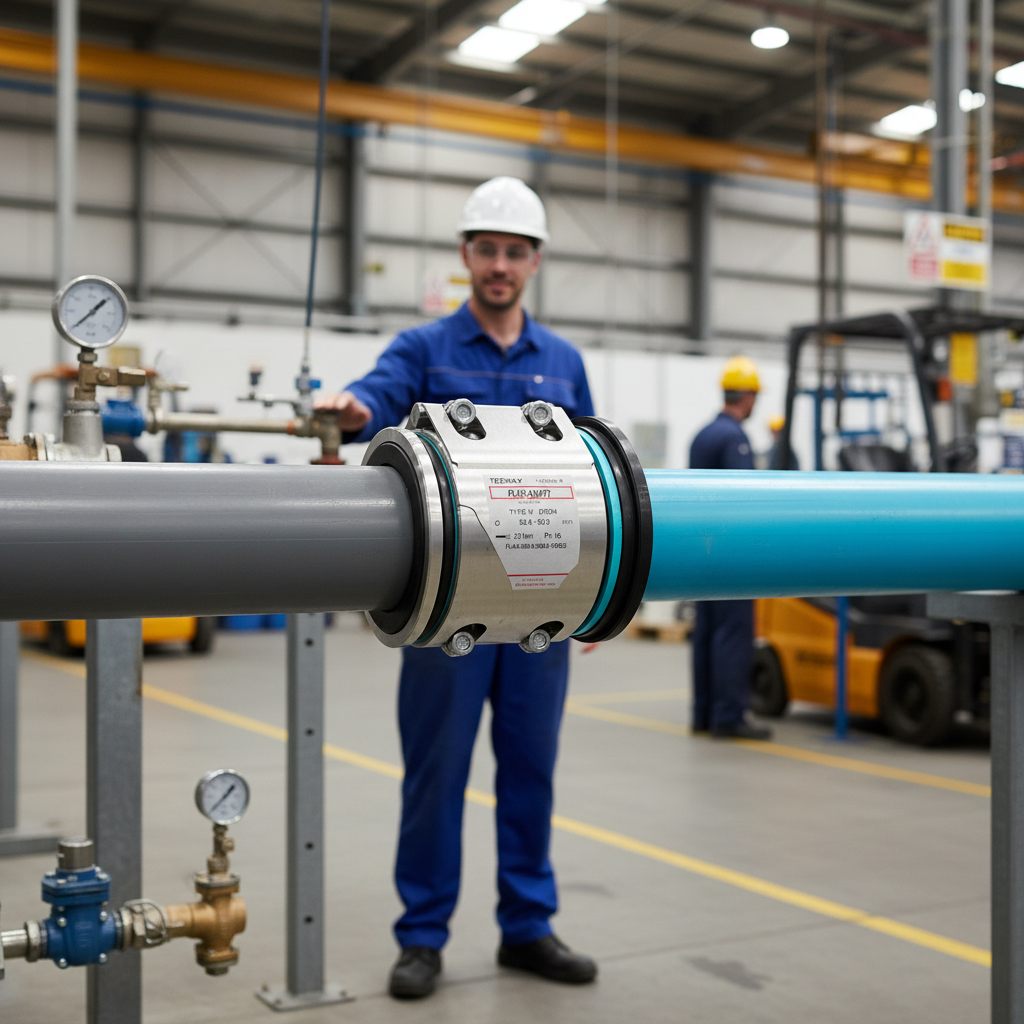
This premium adaptor coupling Type I is designed to provide a secure, watertight connection between plastic pipes and metal pipes, ensuring a reliable transition between differing materials. Engineered with a high-performance seal design, it compensates for minor misalignments and surface irregularities, delivering a robust and long-lasting joint in demanding services.
Ideal for use in water supply, drainage, process, and industrial systems, this adaptor coupling simplifies installation, reduces downtime, and offers excellent resistance to common pipeline stresses. Available in a range of outside diameters and widths, it supports a variety of pipe sizes typically encountered in commercial, municipal, and light industrial pipework.
Product Features
- Specifically designed for plastic to metal pipe connections, providing a secure material transition.
- Available outside diameter combinations include 42.4–40 mm, 48.3–50 mm, 60.3–63 mm, 76.1–75 mm and 88.9–90 mm, plus additional common sizes.
- Choice of widths in 85 mm and 110 mm to suit different installation and sealing requirements.
- High-performance sealing system ensures tight, leak-resistant joints under typical pressure conditions.
- Corrosion-resistant construction suitable for use with standard plastic and metal pipe materials.
- Clamp-style design for easy tightening and adjustment during installation.
- Suitable for both new installations and refurbishment or repair of existing pipework.
Key Features and Benefits
- Provides a reliable, leak-resistant seal between dissimilar pipe materials, reducing the risk of system failures.
- Quick and straightforward to fit, helping to cut installation time and labour costs on site.
- Accommodates slight pipe misalignment and dimensional tolerances, simplifying on-site adjustment.
- Durable components help extend service life and minimise maintenance interventions.
- Versatile size range allows use across multiple pipe standards and retrofit applications.
- Compact design enables installation in confined spaces and existing pipe runs.
Specifications
| Specification | Detail |
|---|---|
| Product type | Adaptor coupling Type I for plastic to metal pipe connection |
| Outside diameter range | 42.4–40 mm, 48.3–50 mm, 60.3–63 mm, 76.1–75 mm, 88.9–90 mm (plus four additional common size combinations) |
| Width options | 85 mm or 110 mm overall coupling width |
| Typical materials | Corrosion-resistant metal components with elastomer sealing sleeve |
| Connection type | Mechanical clamp coupling for dissimilar pipe materials |
| Typical applications | Water, drainage, process and general service pipework |
Applications and Ideal Uses
This adaptor coupling is suitable wherever plastic pipework must be securely joined to metal pipe systems in new builds, refurbishments or repairs.
- Domestic and commercial water supply lines connecting plastic distribution pipes to metal mains.
- Drainage and sewer connections where existing metal pipes are upgraded with plastic sections.
- Plant and process pipework linking plastic service lines to metal manifolds or equipment.
- Maintenance and repair of mixed-material pipe networks in commercial buildings.
- Retrofit projects requiring reliable adaptation between legacy metal pipework and modern plastic systems.
Frequently Asked Questions
Can this adaptor coupling be used on any type of plastic and metal pipe?
The coupling is designed for use with common plastic and metal pipe materials within the stated outside diameter ranges. Always check compatibility with the pipe material and follow relevant installation guidance to ensure a secure and durable joint.
Do I need special tools to install the adaptor coupling?
In most cases, only standard hand tools are required to tighten the clamp components. Ensure the pipe ends are cut square, cleaned and deburred, then position the coupling and tighten evenly to the recommended torque where specified.
Is the coupling suitable for both new installations and repair work?
Yes, the coupling is suitable for new pipework as well as repairs and modifications to existing systems. Its mechanical design makes it particularly useful for replacing damaged sections and for adapting from older metal lines to new plastic pipe runs.