

Our Clients
Description
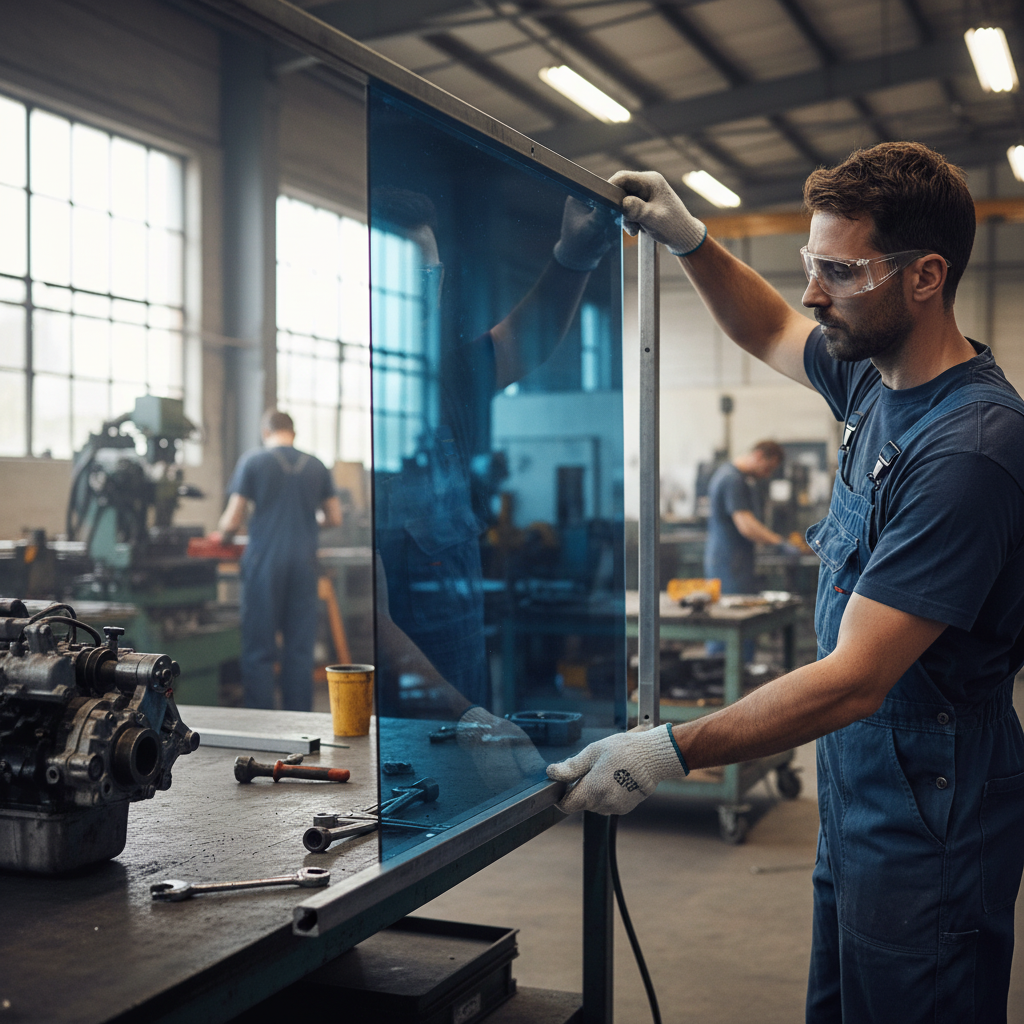
This premium blue acrylic mirror sheet offers a striking reflective finish combined with excellent impact resistance, providing a safer and lighter alternative to traditional glass mirror. With its vivid blue tint and high optical clarity, it is ideal for creating decorative panels, signage, displays and visual features that demand both style and durability.
Designed for use in a wide range of engineering, commercial and interior fit-out applications, this lightweight mirror sheet is supplied in a standard 3 mm thickness and convenient 2440 mm x 1220 mm sheet size. Its CNC fabrication friendly nature makes it easy to cut, shape and machine to precise dimensions for both one-off projects and production runs.
Product Features
- Striking blue mirror finish providing a distinctive reflective surface for visual impact.
- Standard 3 mm thickness to balance rigidity with ease of fabrication and handling.
- Generous sheet size of 2440 mm length by 1220 mm width for efficient yield and minimal joints.
- High shatter resistance compared with glass, enhancing safety in busy or public environments.
- Lightweight acrylic construction for easier lifting, transport and installation.
- Compatible with CNC routing, laser cutting (subject to equipment suitability) and other machining methods.
- Engineered as an engineering plastic for long-lasting performance in demanding applications.
Key Features and Benefits
- Safer alternative to glass mirror due to its high impact and shatter resistance, reducing the risk of sharp fragments.
- Lightweight sheet significantly lowers handling effort and installation time, especially on ceilings, walls and displays.
- Excellent machinability allows precise cutting, profiling and aperture creation using CNC equipment and standard plastic fabrication tools.
- Bold blue reflective finish enhances branding, wayfinding and interior design schemes without the weight of glass.
- Good dimensional stability at 3 mm thickness helps maintain flatness when correctly supported and installed.
- Supplied in a practical full-sheet format, enabling multiple smaller parts or components to be nested for efficient material usage.
Specifications
| Specification | Detail |
|---|---|
| Material | Premium mirrored acrylic (blue tint) |
| Thickness | 3 mm (nominal) |
| Sheet length | 2440 mm |
| Sheet width | 1220 mm |
| Form | Flat sheet, one-side mirror finish |
| Typical processing methods | CNC routing, sawing, drilling, edge finishing and cold bending (within recommended limits) |
Applications and Ideal Uses
This blue acrylic mirror sheet is suitable for a broad range of decorative, functional and engineering uses where a lightweight, shatter-resistant reflective surface is required.
- Retail and exhibition displays, point-of-sale units and visual merchandising backdrops.
- Interior wall cladding, feature panels and ceiling details in commercial spaces.
- Signage, wayfinding elements and branded decorative inserts.
- Leisure, hospitality and entertainment venue fit-outs requiring bold reflective finishes.
- Prototype builds, model making and engineered components needing mirrored surfaces.
Frequently Asked Questions
Can this blue acrylic mirror sheet be cut to size using standard workshop tools?
Yes, the sheet can be cut using common tools suitable for plastics, such as a fine-toothed circular saw, jigsaw or router, as well as CNC routing equipment. Ensure blades are sharp and correctly set up for acrylic, and support the sheet adequately to minimise vibration and chipping.
Is the acrylic mirror suitable for use in high-moisture or bathroom environments?
The sheet is more moisture resistant than glass-backed mirrors, but it can be affected by prolonged exposure to high humidity and cleaning chemicals. For bathroom and wet area use, ensure it is mounted on a flat, stable backing, sealed appropriately at edges and cleaned only with mild, non-abrasive cleaners to maintain appearance.
Can the mirror sheet be bent or formed into curves?
The 3 mm acrylic mirror sheet can be gently cold bent within recommended radius limits or thermoformed using appropriate heating equipment. Excessive bending or tight radii may cause distortion of the reflective surface or damage the mirror backing, so testing on a sample and following standard acrylic forming guidelines is advised.