


Our Clients
Description
This premium extruded opaque black acrylic square bar offers high rigidity, excellent surface hardness and a deep gloss finish, making it a reliable choice for precision engineering, display fixtures and lighting components. The square profile delivers clean, defined edges suitable for machining, bonding and fabrication.
Supplied in a compact 6 x 6 mm cross-section and available in convenient 600 mm and 1830 mm lengths, this acrylic bar is ideal for point-of-sale displays, trim details, light baffles, guides and protective edging. Its opaque black finish helps minimise light bleed and reflections, providing a smart, professional appearance in both commercial and industrial environments.
Product Features
- Material: high-quality extruded acrylic (PMMA) for rigidity and dimensional stability.
- Profile: 6 x 6 mm square bar with sharp, clean edges for precise alignment and assembly.
- Colour: opaque black for reduced light transmission and a refined aesthetic.
- Lengths available: 600 mm for small projects and 1830 mm for longer runs or cutting to size.
- High-gloss surface finish for a professional look in display and decorative applications.
- Good machinability for cutting, drilling and light milling with appropriate tools.
- Lightweight alternative to metal, with good impact and abrasion resistance for everyday use.
Key Features and Benefits
- High rigidity ensures the bar maintains shape under load, supporting structurally stable assemblies and fixtures.
- Opaque black colour helps control and direct light, ideal for lighting housings, baffles and trim where light bleed must be minimised.
- Gloss finish enhances the visual quality of displays, edging and decorative details, reducing the need for additional finishing work.
- Easy to cut and fabricate with standard workshop tools, allowing efficient custom lengths and profiles to suit each project.
- Excellent weathering and UV resistance compared with many other plastics, supporting long-term indoor and covered outdoor use.
- Lightweight construction reduces handling effort and installation time compared with metal bar or rod sections.
Specifications
| Specification | Detail |
|---|---|
| Material | Extruded acrylic (PMMA) |
| Profile dimensions | 6 mm x 6 mm square section |
| Available lengths | 600 mm, 1830 mm |
| Colour and finish | Opaque black, high-gloss surface |
| Typical service temperature | -20°C to +70°C (guidance only; avoid continuous use near upper limit) |
| Manufacturing process | Extruded bar for consistent cross-section and surface quality |
Applications and Ideal Uses
This acrylic square bar is suited to a wide range of display, lighting and light-duty engineering tasks where a rigid, attractive black profile is required.
- Point-of-sale and retail display frames, trims and supports.
- Light baffles, edging and internal components for lighting fixtures.
- Decorative trims, spacers and detailing in furniture and interior fit-outs.
- Guides, stops and low-load components in jigs, fixtures and assemblies.
- Model making, prototypes and craft projects requiring a small, square acrylic section.
Frequently Asked Questions
Can this acrylic square bar be cut to custom lengths?
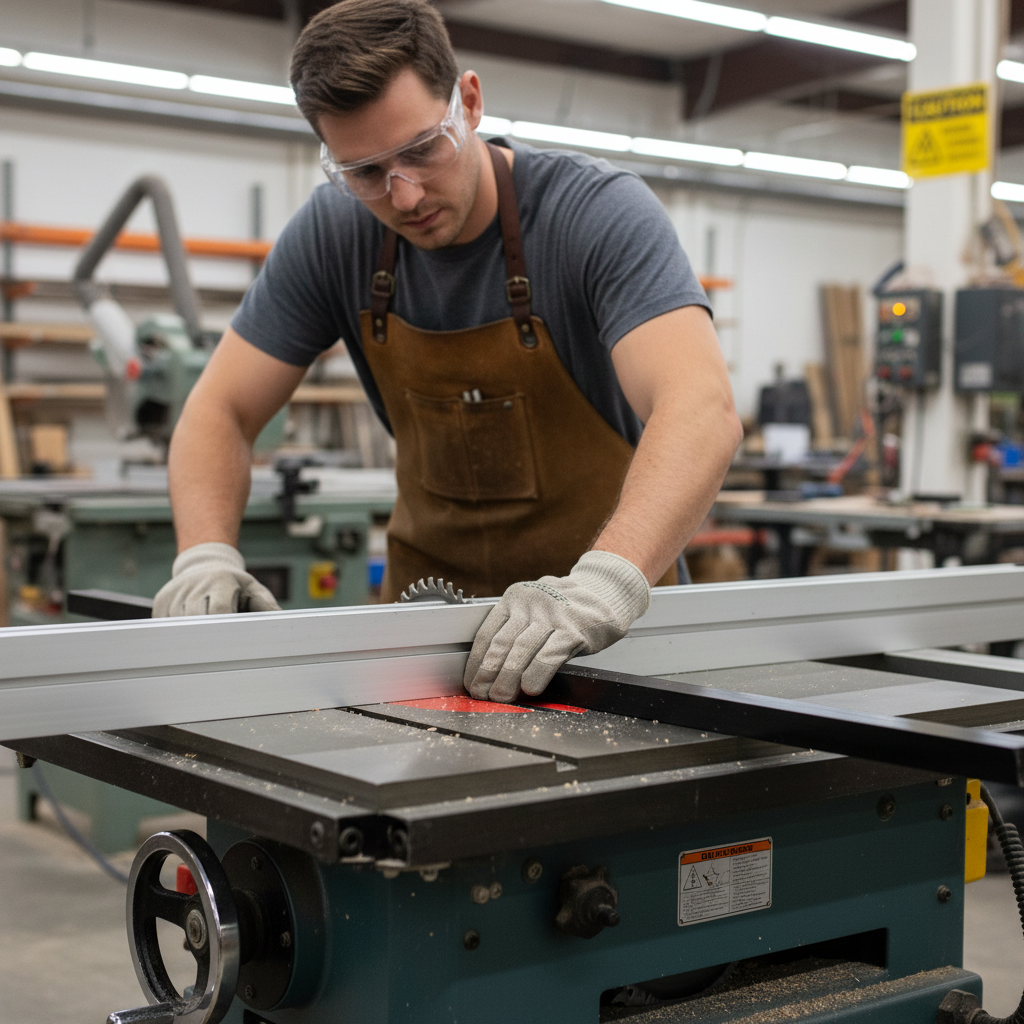
Yes, the bar can be cut to shorter lengths using suitable tools such as a fine-toothed saw or powered saw with a blade designed for plastics. Always support the bar securely and use light, steady pressure to minimise chipping. Deburr cut edges for a clean finish.
Is the opaque black acrylic suitable for outdoor use?
Acrylic offers good resistance to weathering and UV, so this bar can be used outdoors, particularly in sheltered or partially covered areas. For long-term exposure in harsh conditions, performance will depend on the specific environment, and periodic inspection is recommended.
Can the acrylic square bar be glued or bonded to other materials?
Yes, it can be bonded using adhesives suitable for acrylic, such as solvent-based acrylic cements or specialist structural adhesives. Surfaces should be clean, dry and free of grease before bonding. When joining to other materials, choose an adhesive compatible with both substrates and follow the manufacturer’s preparation and curing guidelines.