


Description
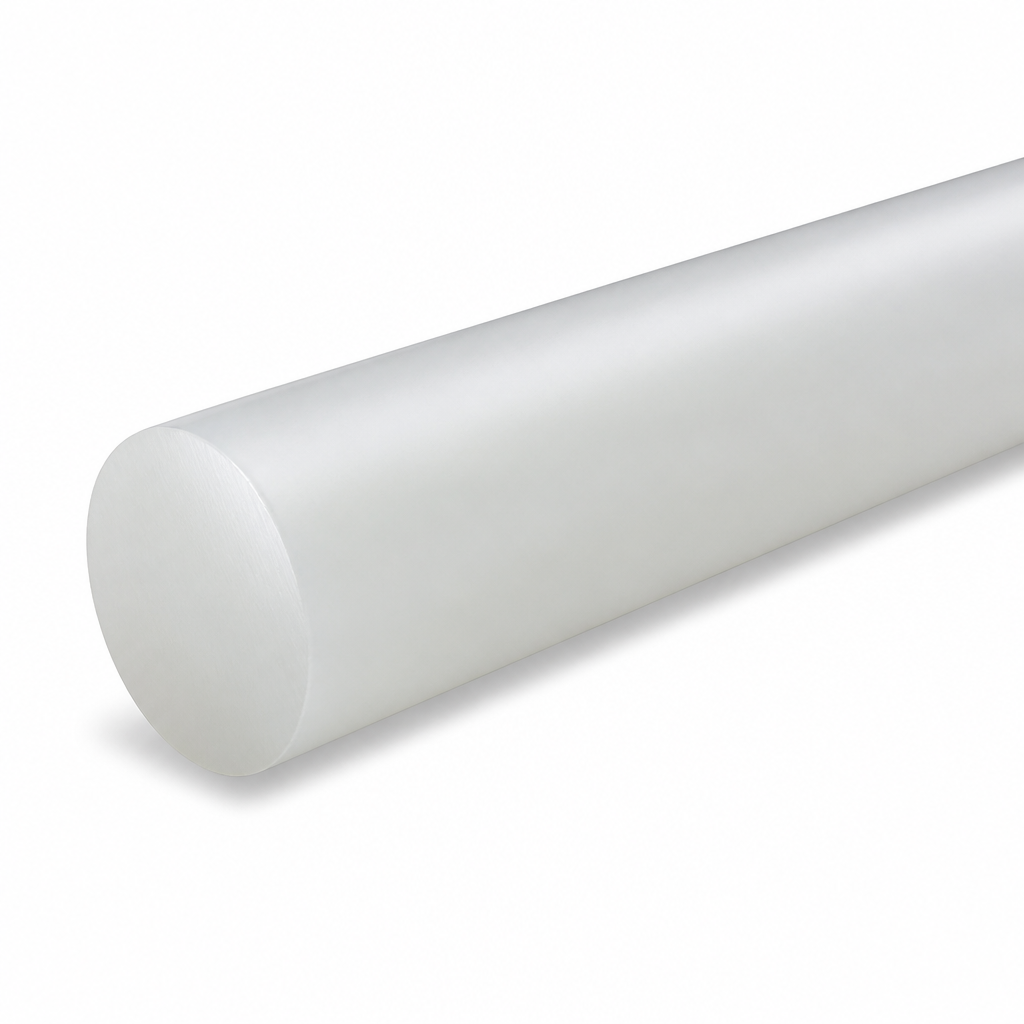
This lightweight Polypropylene Rod is ideal for various chemical applications. It offers excellent chemical resistance and is food compliant.
Material Properties
The Polypropylene Homopolymer (PPH) is known for its lightweight nature, with a specific gravity of 0.91. It exhibits improved chemical resistance and stiffness, along with a higher working temperature range of 0°C to +100°C compared to other variants. PPH also has low water absorption, making it suitable for various applications.
Key Features
This rod features excellent weldability, high corrosion resistance, and rigidity at elevated temperatures. It is also food compliant, making it safe for use in food-related applications.
Applications
Polypropylene Rod is commonly used in the construction of chemical tanks, water applications, medical equipment, and various types of equipment construction. Its properties make it an ideal choice for components that require impact resistance and acid resistance.
Advantages
This rod is economical, lightweight, and has low adhesion properties, which can be beneficial in applications where non-stick surfaces are required. It is also impact resistant, making it suitable for use in demanding environments.
Limitations
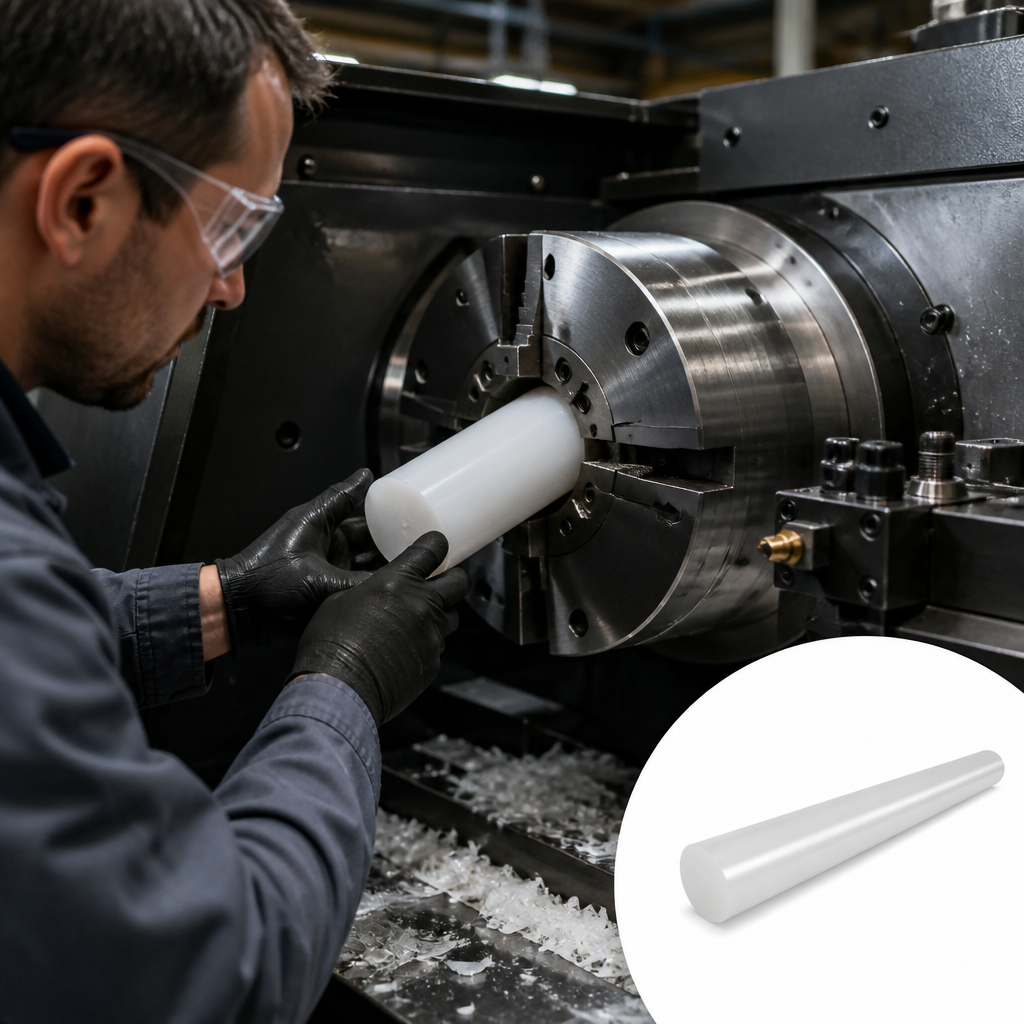
While Polypropylene Rod has many advantages, it does have limitations in terms of machinability, bonding, and fire resistance. Care must be taken during machining to avoid heat buildup, and bonding requires specialized adhesives.
Specifications
- Material: Polypropylene Homopolymer
- Specific Gravity: 0.91
- Working Temperature Range: 0°C to +100°C
- Food Compliant: Yes
- Corrosion Resistance: High
- Weldability: Excellent
- Acid Resistance: Good
- Impact Resistance: Good
Benefits
- Safe for food-related applications
- Economical choice for various components
- Non-stick properties for easy handling
- Suitable for impact-prone environments
Use Cases
- Chemical tanks
- Water applications
- Medical
- Equipment construction
FAQ
Q: Is Polypropylene Rod acid resistant?
A: Yes, Polypropylene Rod is very acid resistant and is commonly used in acid tanks.
Q: Can Polypropylene Rod be bonded?
A: Bonding Polypropylene Rod is challenging, but it can be done with specialized adhesives; welding is often recommended.
Q: What are the working temperatures of Polypropylene Rod?
A: The maximum long-term working temperature for Polypropylene Rod is 80°C.
All sizes & prices
99 sizes · prices include VAT · tap a price to select that size
Need a size that isn't listed? We cut to order. Request a quote or call 01744 520110.
Supplying UK engineers, manufacturers and public bodies


