


Our Clients
Description
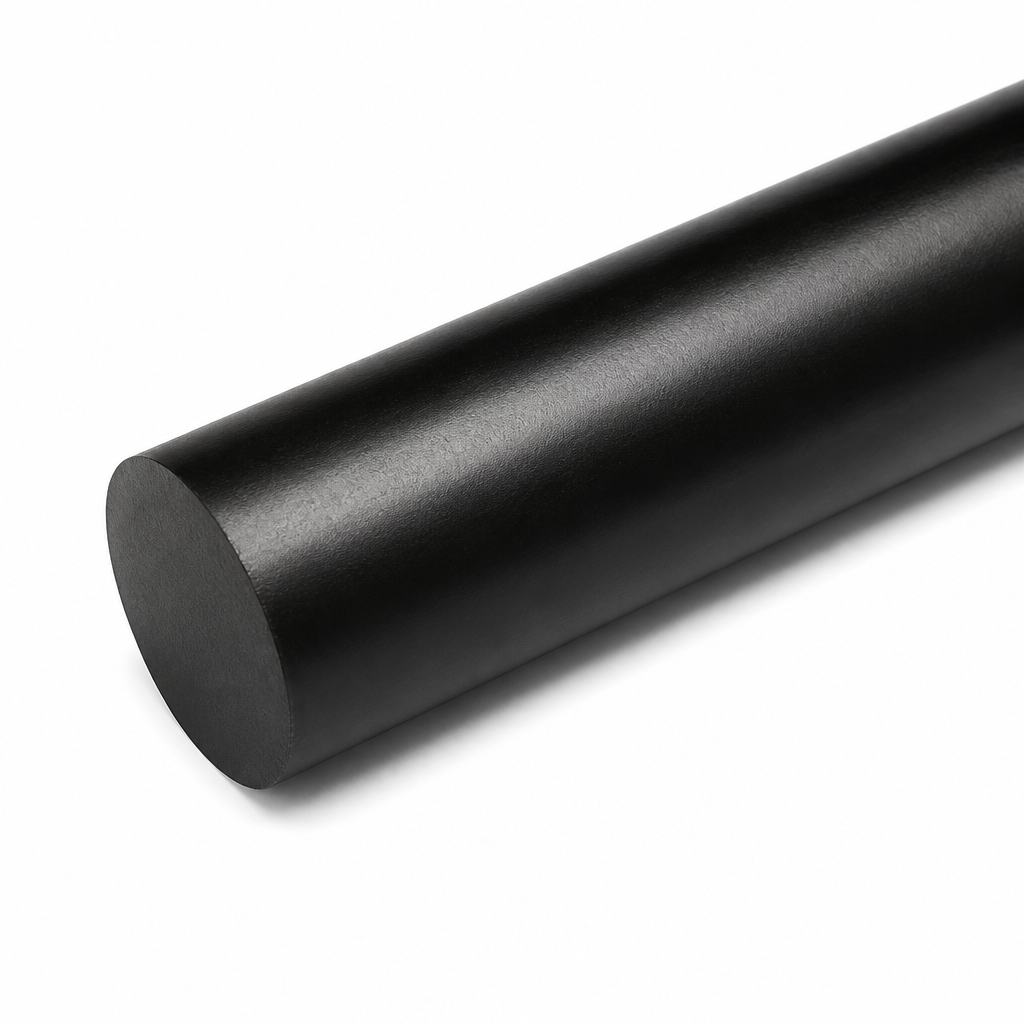
This Polyoxymethylene Acetal Rod offers high stiffness and strength, making it ideal for various industrial uses. It is food compliant and suitable for machining.
Material Properties
The Acetal Rod is made from Polyoxymethylene Copolymer, known for its high stiffness, tensile strength, and surface hardness. It exhibits superior resistance to hydrolysis, strong alkalis, and thermal-oxidative degradation compared to other variants.
Machining Advantages
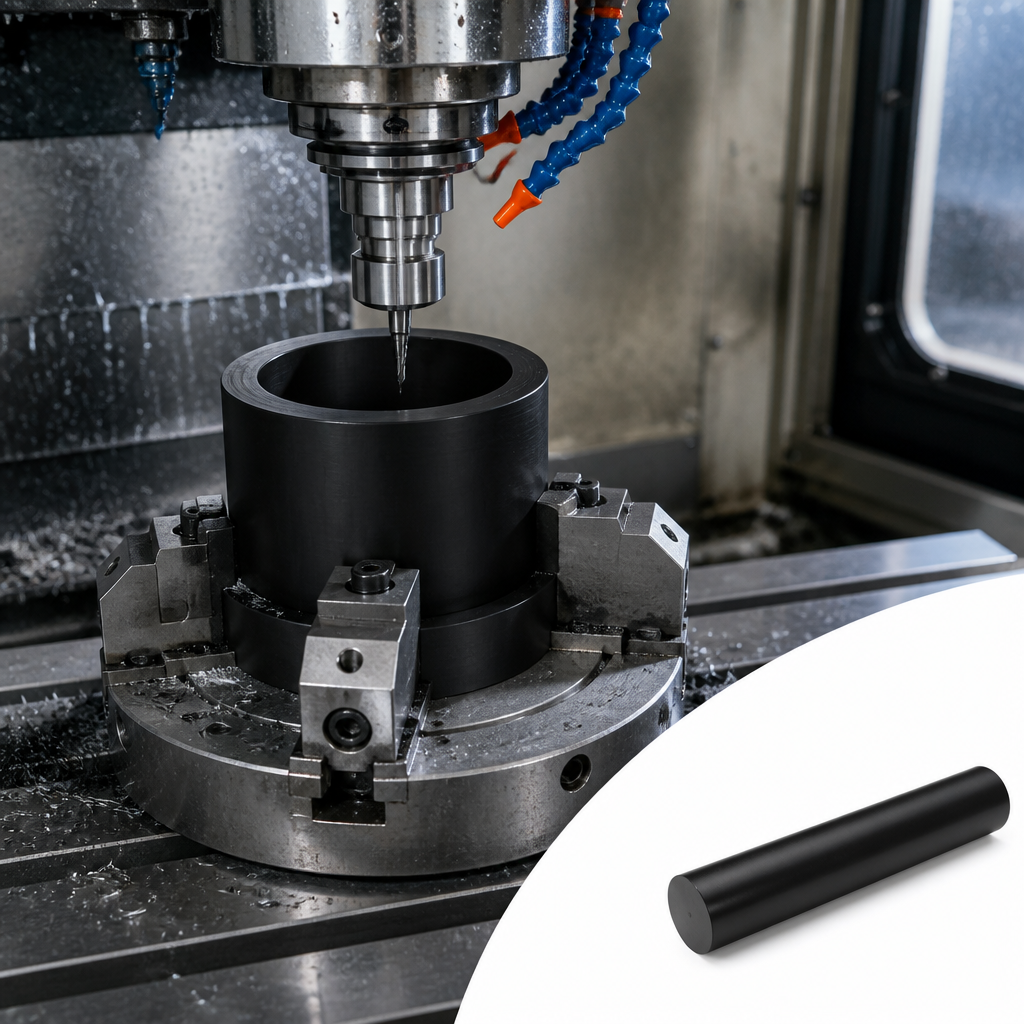
Acetal Rod is recognized as one of the easiest engineering plastics to machine. It chips instead of creating long swarf, allowing for a smooth finish with minimal visible machining marks. The material also produces fewer burrs, reducing the time and effort needed for de-burring.
Moisture Absorption and Food Compliance
This material absorbs very little moisture, ensuring accurate machining and maintaining tolerances even in damp conditions. It is also food safe, making it suitable for applications involving food contact, as it minimizes bacteria absorption.
Applications
The Acetal Rod is versatile and can be used in various applications, including seals, gears, marine components, insulators, medical instrument handles, steam cleaning, bearings, and impellers.
Specifications
- Material: Polyoxymethylene Copolymer
- High stiffness and tensile strength
- Food compliant
- Good UV resistance in black
- Low moisture absorption
- Dimensional stability
- Better machining properties than Nylons
Benefits
- Safe for food applications
- Long-lasting and durable
- Reduced machining time and cost
- Maintains accuracy in damp conditions
Use Cases
- Seals
- Gears
- Marine
- Insulators
- Medical instrument handles
- Steam cleaning
- Bearings
- Impellers
FAQ
Q: Is Acetal easy to machine?
A: Yes, Acetal Rod is one of the easiest engineering plastics to machine, allowing for a smooth finish.
Q: Is Acetal suitable for food applications?
A: Yes, Acetal Rod is food safe due to its minimal moisture absorption.
Q: Does Acetal Rod require less de-burring?
A: Yes, Acetal Rod produces fewer burrs, saving time and effort in the machining process.