


Our Clients
Description
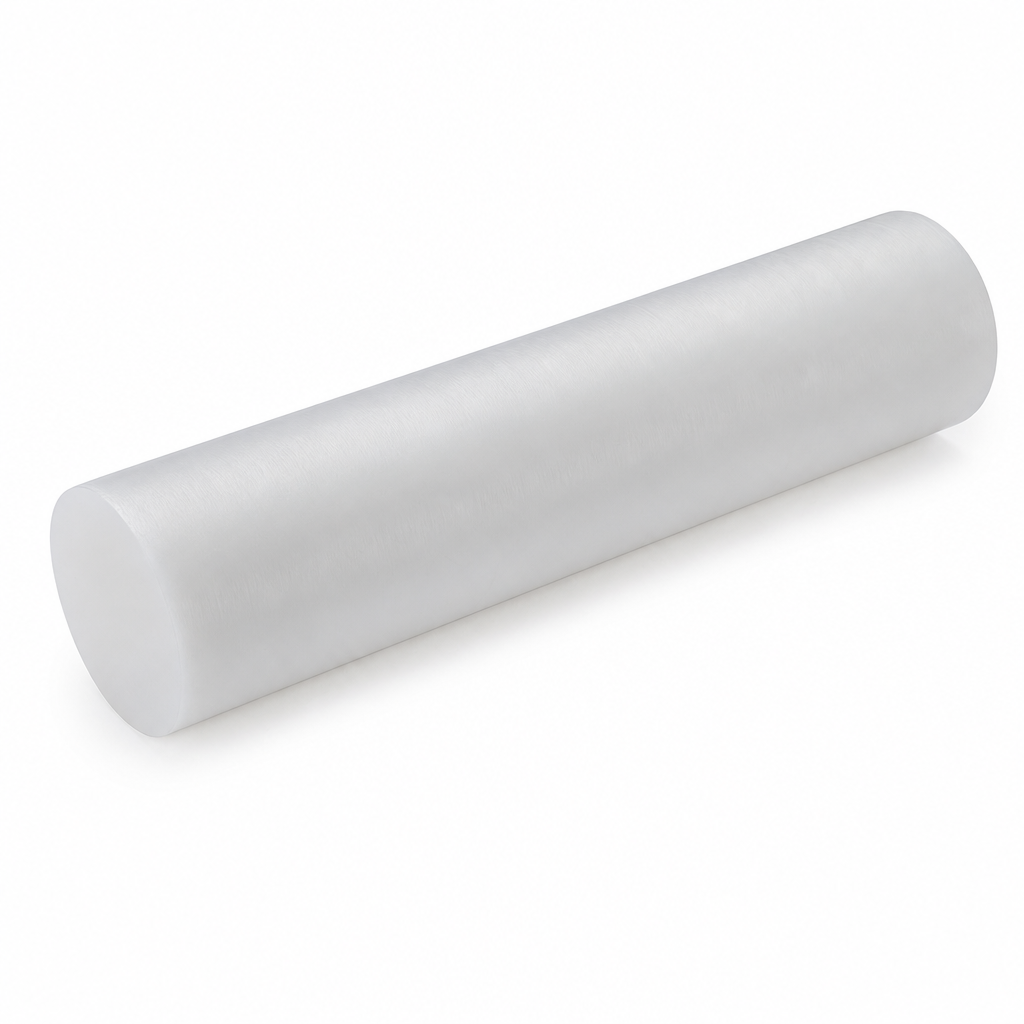
Polyethylene Terephthalate (PET) Rod
Our PET rod is a high-performance engineering plastic known for its exceptional mechanical strength and low friction properties. With a temperature resistance ranging from -20°C to +115°C, it is suitable for a variety of demanding applications, including those in food contact industries due to its compliance with FDA standards.
Key Features
- High Mechanical Strength: PET rod boasts impressive tensile strength, making it suitable for heavy-duty applications.
- Dimensional Stability: This material exhibits excellent resistance to deformation under stress, ensuring reliable performance.
- Low Friction Coefficient: The surface of PET rod is designed to reduce friction, enhancing efficiency in moving parts.
- Chemical Resistance: PET demonstrates superior resistance to acids compared to alternatives like nylon and acetal.
- Food Compliance: Our PET rod meets FDA requirements for food contact, making it safe for use in relevant applications.
- Radiation Resistance: This material is effective against gamma and X-ray radiation, making it suitable for medical and industrial uses.
Applications
- Mechanical Engineering: Ideal for components requiring high strength and durability in mechanical systems.
- Rollers: Used in manufacturing rollers that require low friction and high wear resistance.
- Medical Industry: Employed in medical devices and components due to its compliance with food safety standards.
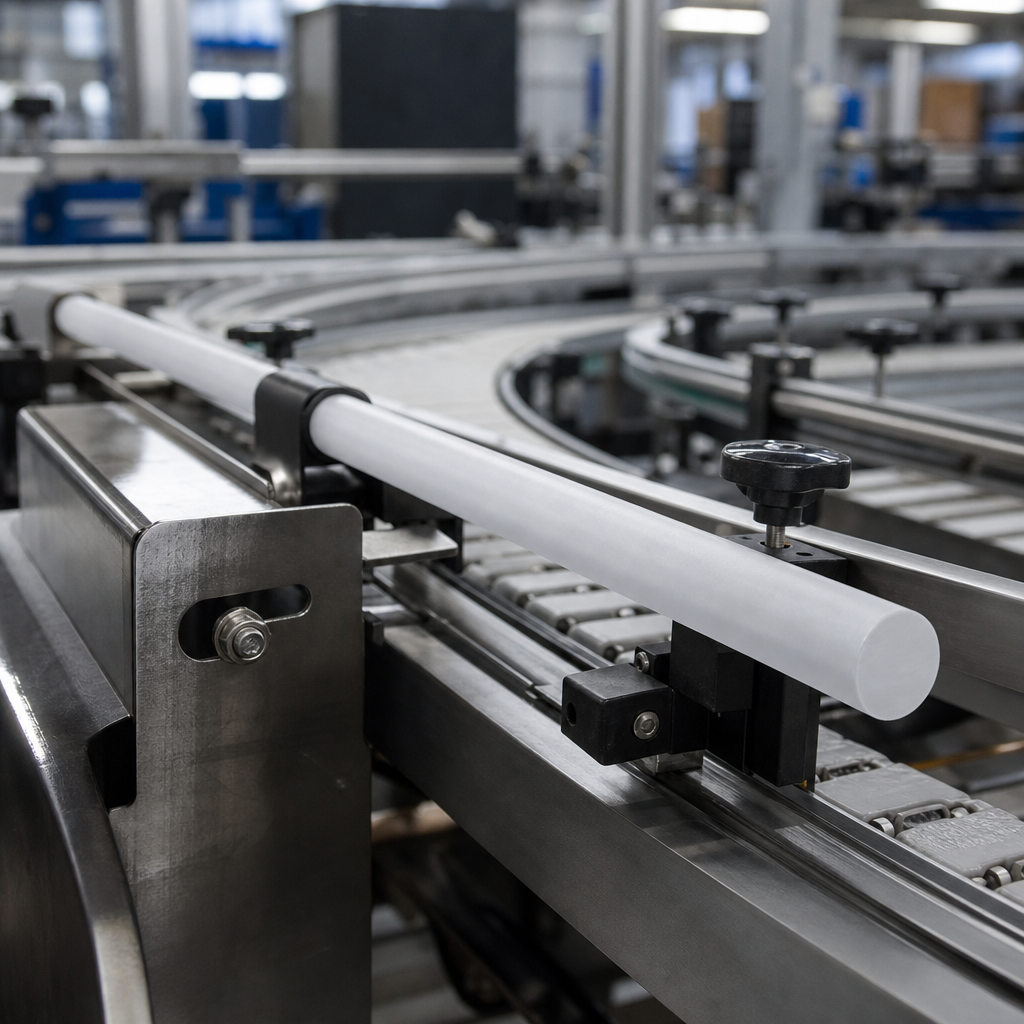
- Conveyor Systems: Suitable for parts in conveyor applications where strength and stability are essential.
- Gears and Bearings: Utilised in the production of gears and bearings that endure heavy loads.
Frequently Asked Questions
What are the mechanical properties of PET rod?
The PET rod is approximately 30% stronger and 25% more rigid than acetal, with a lower thermal expansion rate and minimal moisture absorption.
Is PET rod machinable?
Yes, it machines well, comparable to acetal and significantly better than nylon.
Is PET rod suitable for food contact?
Absolutely, it meets FDA standards for food safety, making it ideal for applications involving food processing.
Is PET rod wear resistant?
Yes, it outperforms acetal in abrasive conditions and is at least as effective as nylon in many environments.
What is the friction level of PET rod?
PET rod has a low coefficient of friction, making it an excellent choice for applications requiring smooth operation.
What are the available sizes for PET rod?
We offer PET rod in diameters of 90mm, 100mm, 125mm, and 150mm, each with a standard length of 1000mm.
How does PET compare to acetal?
PET rod is generally stronger, more rigid, and has better wear resistance, although it is priced approximately 40% higher.
How does PET compare to nylon 66?
PET rod offers superior machinability, strength, and lower moisture absorption compared to nylon, but at a higher cost.