


Our Clients
Description
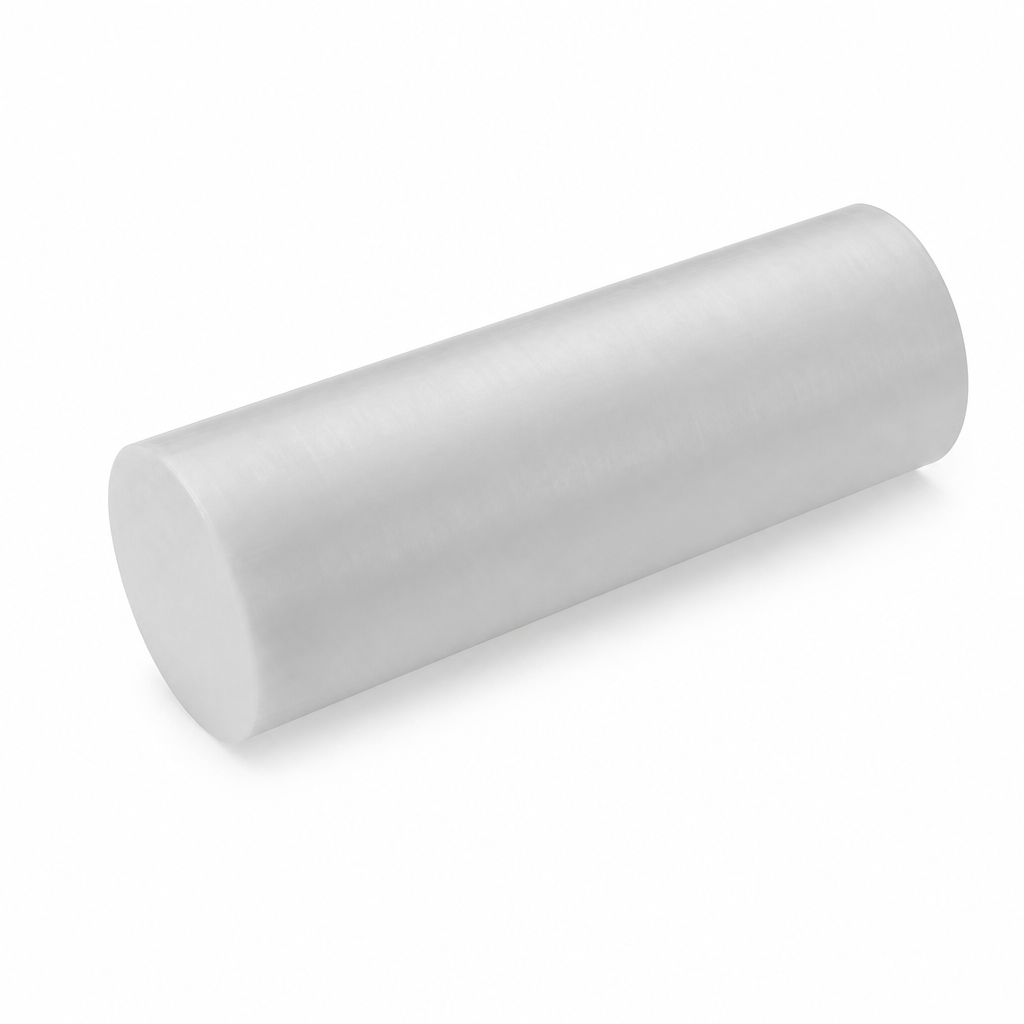
Polyethylene Terephthalate (PET) Natural Rod
Our PET Natural Rod is a robust engineering plastic renowned for its exceptional strength and durability. It exhibits a low coefficient of friction, making it ideal for various demanding applications while maintaining high dimensional stability across a broad temperature range from -20°C to +115°C.
Key Features
- High Mechanical Strength: PET Natural Rod provides superior tensile strength, making it over 30% stronger than acetal.
- Dimensional Stability: This material exhibits excellent resistance to deformation under load, ensuring reliability in precision applications.
- Low Friction: With its hard surface, PET offers low friction properties, making it suitable for sliding applications.
- Chemical Resistance: It demonstrates better resistance to acids compared to nylon and acetal, enhancing its versatility in various environments.
- Food Compliance: Our PET Rod is FDA-approved, making it safe for use in food contact applications.
- Good Creep Resistance: It maintains its shape and integrity under prolonged stress, outperforming many alternative materials.
Applications
- Mechanical Engineering: Ideal for use in components that require high strength and durability.
- Medical Industry: Suitable for manufacturing medical devices due to its biocompatibility and compliance with safety standards.
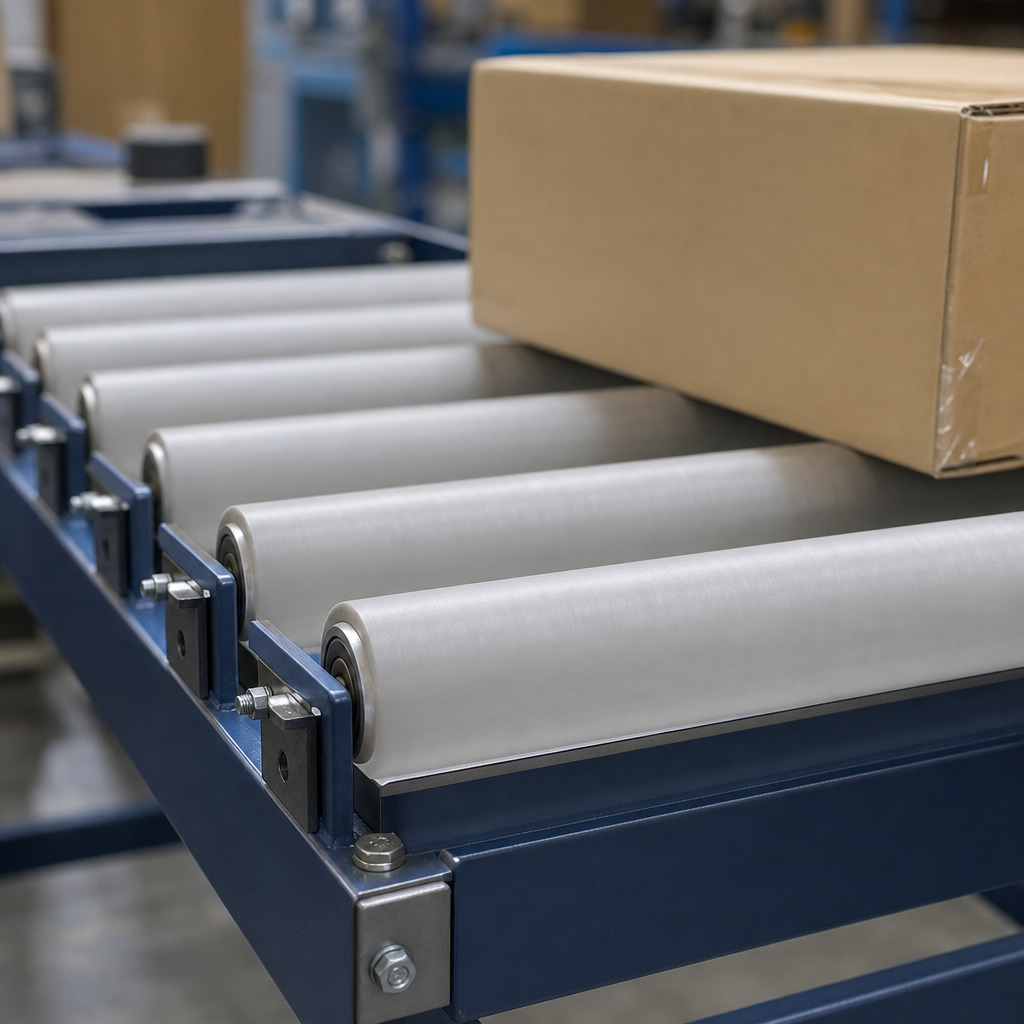
- Conveyor Systems: Used in rollers and guides where low friction and wear resistance are essential.
- Gears and Cams: Perfect for precision-engineered parts that demand high performance and reliability.
- Heavy Loaded Bearings: Its strength and low friction properties make it a great choice for demanding bearing applications.
Frequently Asked Questions
What are the available sizes for PET Natural Rod?
We offer PET Natural Rod in diameters of 16mm, 20mm, 25mm, 30mm, 40mm, 50mm, and 60mm, with lengths ranging from 250mm to 3000mm.
Is PET Rod suitable for food contact?
Yes, our PET Rod is FDA-approved and safe for food contact applications.
How does PET Rod compare to acetal?
PET Rod is over 30% stronger and 25% more rigid than acetal, with better wear resistance and a lower thermal expansion rate.
Can PET Rod be machined?
Yes, PET Rod machines well, comparable to acetal, allowing for precise fabrication of complex shapes.
What is the temperature tolerance of PET Rod?
This material can be used effectively within a temperature range of -20°C to +115°C.
Is PET Rod resistant to moisture?
Yes, it has significantly lower moisture absorption compared to nylon, making it suitable for humid environments.
What are the limitations of PET Rod?
The size range is somewhat limited, and it is not recommended for applications involving hot water exceeding 60°C.
How does PET Rod perform in abrasive conditions?
PET Rod outperforms acetal in abrasive environments, offering excellent wear resistance.