



Our Clients
Description
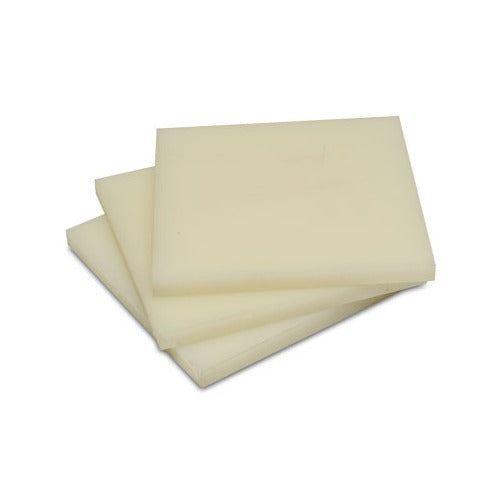
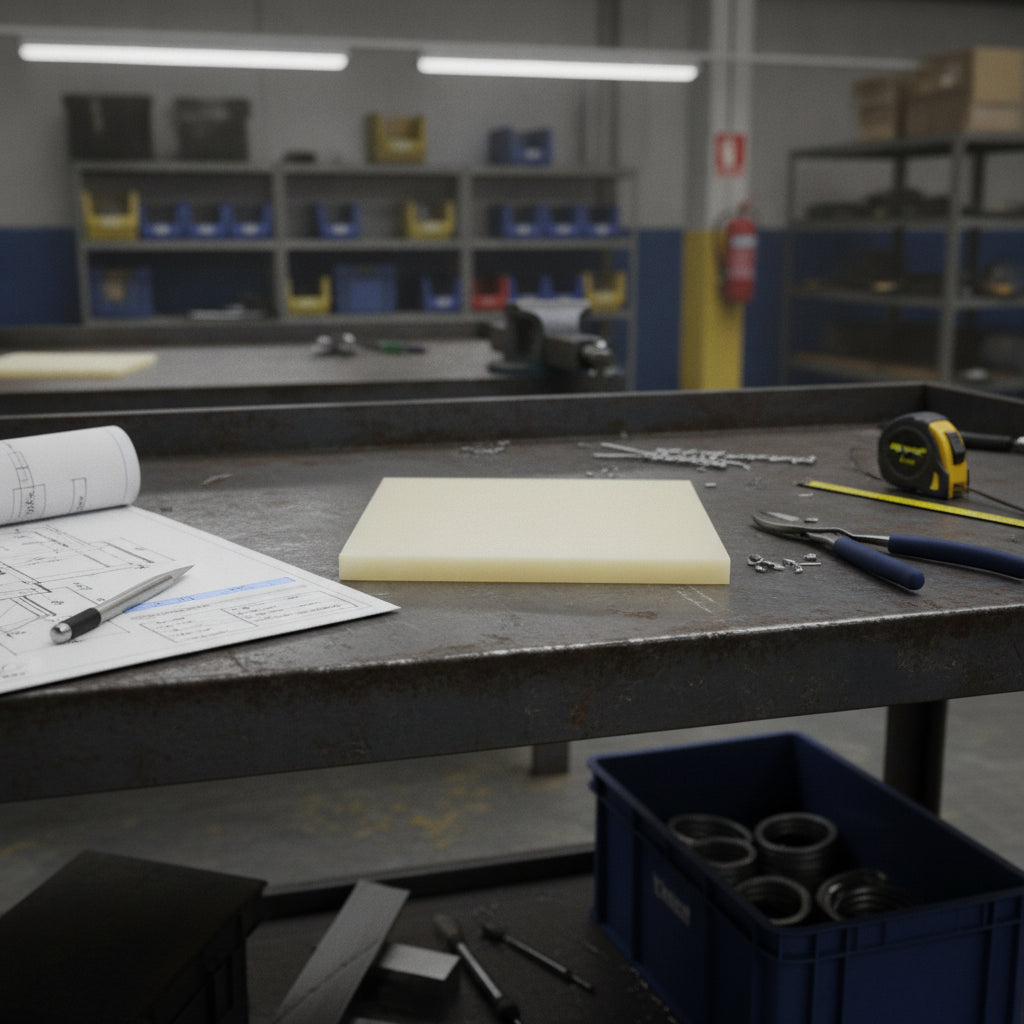
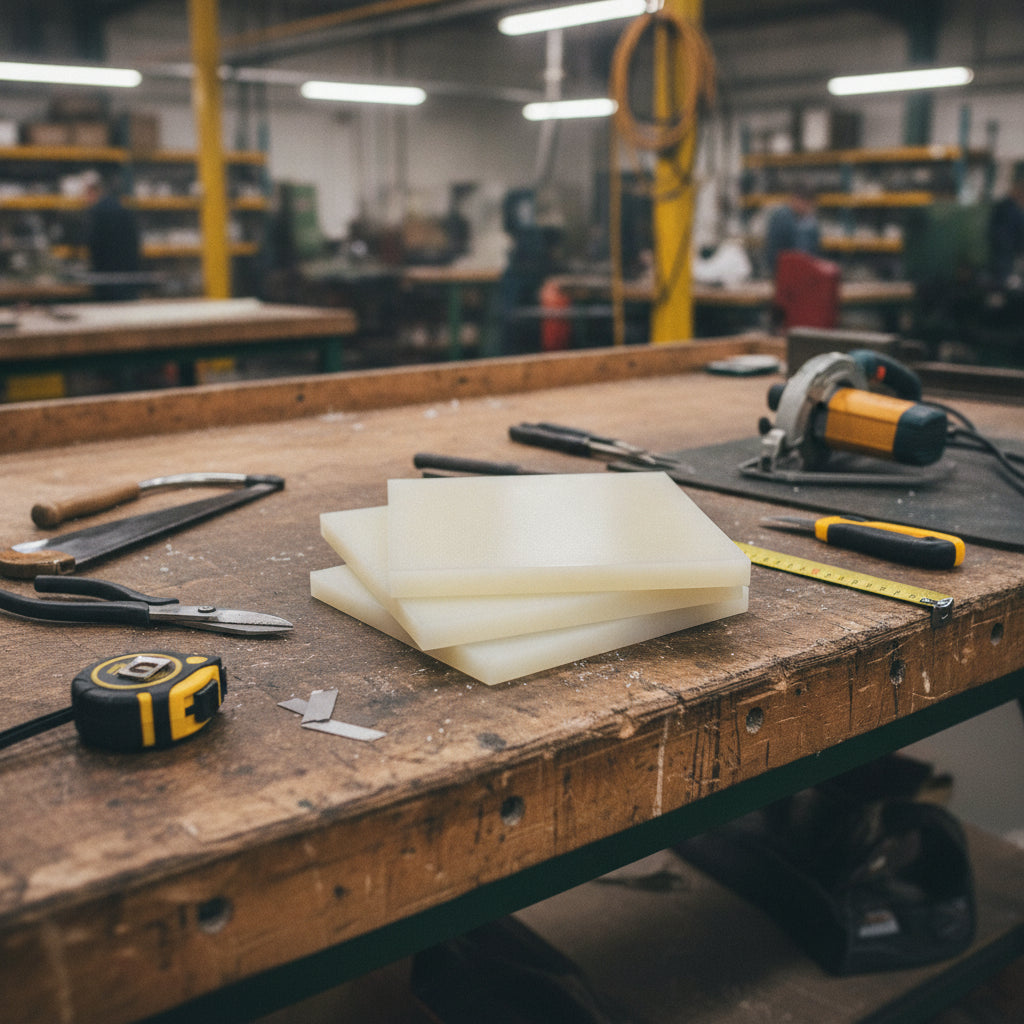
This extruded Nylon 6 thin plastic sheet in natural cream offers a strong, versatile engineering material in a compact, easy-to-handle format. Supplied in a standard 2000mm x 1000mm sheet, it provides excellent mechanical strength and wear resistance in a lightweight, low-profile sheet form.
Ideal for precision components, wear strips, spacers and protective linings, Nylon 6 sheet delivers a reliable combination of toughness, good sliding properties and dimensional stability. The natural cream colour and range of thin gauges make it particularly suitable for applications where performance engineering plastics are required in space-constrained or weight-sensitive designs.
Product Features
- Manufactured from high-quality extruded Nylon 6 engineering plastic for reliable, consistent performance.
- Available in a natural cream (unfilled) colour for easy inspection and clean, professional appearance.
- Standard sheet size of 2000mm x 1000mm, suitable for a wide range of cutting and machining layouts.
- Thin-gauge options from 0.5mm, 0.8mm, 1mm, 1.5mm and 2mm, plus additional thicknesses for greater design flexibility.
- Good balance of tensile strength, impact resistance and stiffness in a low-profile sheet format.
- Smooth, consistent surface suitable for CNC machining, die-cutting and fabrication.
- Excellent sliding and wear properties for use as low-friction liners, shims and bearing surfaces.
Key Features and Benefits
- Excellent wear resistance – ideal for components subject to repeated sliding or abrasion, helping extend service life and reduce replacement frequency.
- High mechanical strength – supports demanding engineering uses where thin materials still need to resist loads and impact.
- Good machinability – can be easily cut, drilled and machined to tight tolerances for custom parts and profiles.
- Low friction performance – reduces noise and wear in moving assemblies compared with many other plastics or metals.
- Chemical and oil resistance – suitable for many industrial environments where contact with lubricants and common chemicals is expected.
- Lightweight alternative to metal – helps reduce overall assembly weight while maintaining functional strength and durability.
Specifications
| Specification | Detail |
|---|---|
| Material | Extruded Nylon 6 (Polyamide 6) |
| Colour | Natural (Cream) |
| Sheet size | 2000mm x 1000mm (nominal) |
| Available thicknesses | 0.5mm, 0.8mm, 1mm, 1.5mm, 2mm plus additional thin-gauge options |
| Service temperature (approx.) | -40°C to +100°C (intermittent higher temperatures possible depending on application) |
| Typical properties | High tensile strength, good impact resistance, good wear and fatigue performance |
Applications and Ideal Uses
This Nylon 6 thin sheet is suited to a wide range of engineering, industrial and fabrication tasks where a robust, low-friction material is required in thin sections.
- Wear strips, glide plates and low-friction liners for conveyors and handling equipment.
- Shims, spacers and packing pieces in machinery and assembly work.
- Lightweight guards, covers and protective plates in industrial environments.
- Precision components, gaskets and profiles produced by CNC machining or die-cutting.
- Prototype parts and jigs where a stable, machinable engineering plastic is needed.
Frequently Asked Questions
Can this Nylon 6 sheet be easily cut and machined?
Yes, extruded Nylon 6 machines well using standard workshop tools. It can be cut with saws, routers or knives (for very thin gauges), and can be drilled, milled and shaped. Sharp tools and appropriate cutting speeds are recommended to achieve clean edges and minimise heat build-up.
Is the natural cream colour suitable for food-related environments?
The natural cream colour is commonly used where easy visual inspection is required, including some food-related settings. However, suitability for direct food contact depends on the specific grade and regulatory requirements of your application, so you should confirm compliance before using it in contact with food products.
What thickness should I choose for my application?
The best thickness depends on the loads, span and level of flexibility required. Thinner sheets such as 0.5mm or 0.8mm are suited to shims and flexible liners, while 1mm to 2mm (and thicker options) provide greater stiffness and durability for wear strips, guards and structural components. If in doubt, consider expected loading and support, or consult a technician or engineer for guidance.