


Our Clients
Description
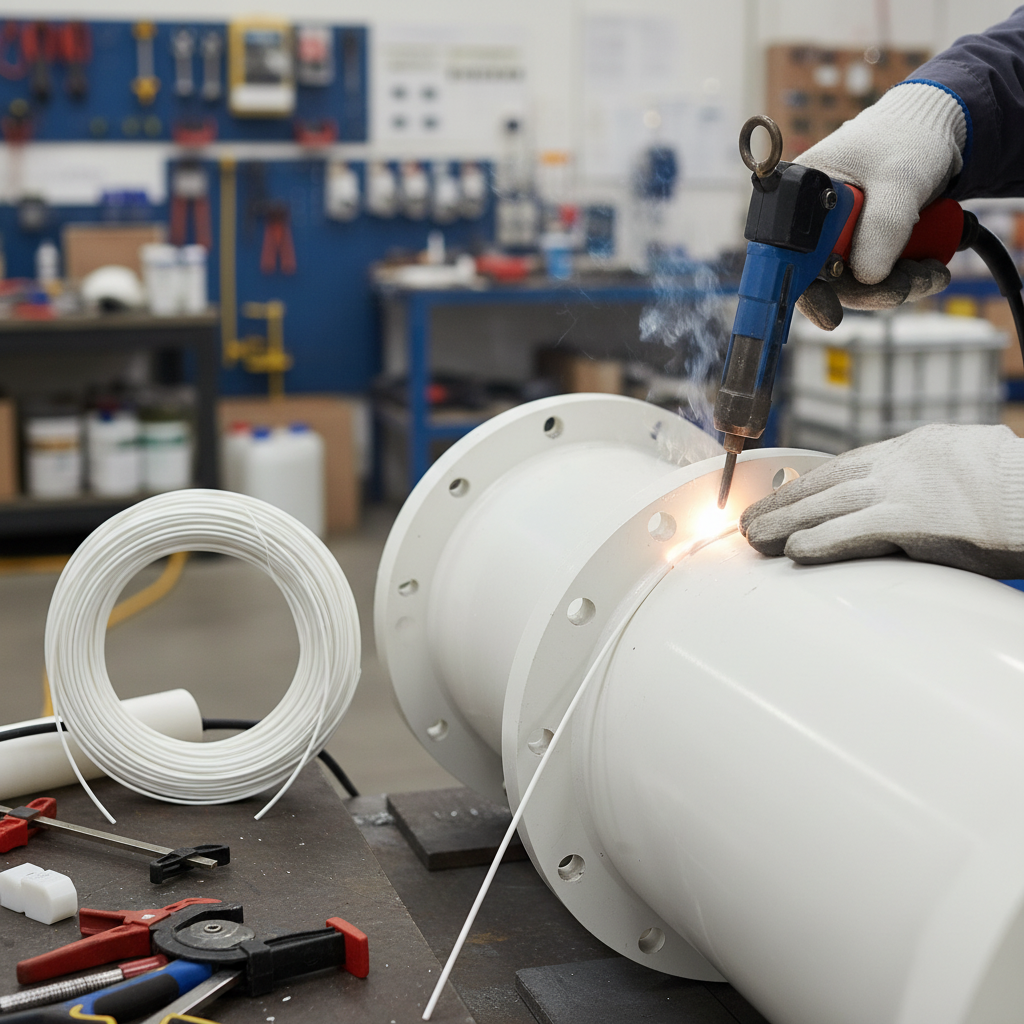
These high-performance rigid UPVC welding rods are designed for reliable, long-lasting plastic repair and fabrication work. Manufactured from quality unplasticised PVC, they provide a strong, consistent weld when used with compatible UPVC sheet, pipe and profiles, helping to restore structural integrity and appearance.
Available in white and supplied in 2 kg coils, these rods come in a choice of profiles to suit different joint preparations and seam geometries, including 3 mm round, 4 mm round, 4.5 mm triangle and 5.7 mm triangle. Ideal for workshop and site use, they are commonly used in fabrication of UPVC assemblies, repair of components and general maintenance in industrial, commercial and trade environments.
Product Features
- Rigid white UPVC welding rod suitable for compatible UPVC repair and fabrication.
- Available profiles: 3 mm round, 4 mm round, 4.5 mm triangle and 5.7 mm triangle for different joint types.
- Supplied in convenient 2 kg coils for efficient storage, handling and continuous welding runs.
- Consistent rod diameter and profile for stable, predictable weld bead formation.
- Rigid material formulation designed for strong, durable welds with compatible UPVC substrates.
- Clean white finish to match common UPVC components and provide a neat final appearance.
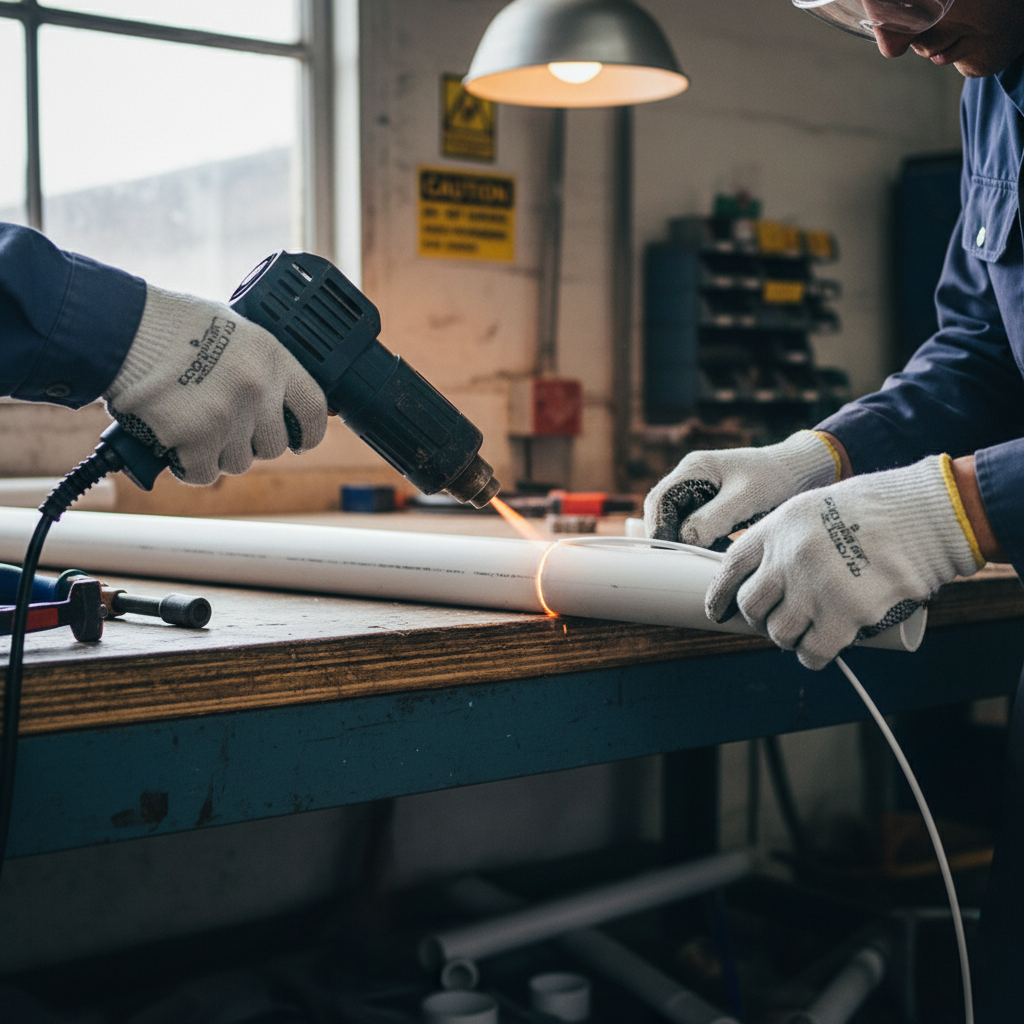
- Suitable for use with hot air plastic welding equipment operated by trained personnel.
Key Features and Benefits
- Provides strong, reliable joints, helping to extend the service life of UPVC components and assemblies.
- Range of round and triangular profiles supports different groove preparations, improving weld penetration and strength.
- White colour helps achieve visually consistent repairs on white UPVC sheets, panels and profiles.
- 2 kg coil format reduces changeovers and waste compared with short cut lengths, improving productivity.
- Rigid UPVC composition offers good dimensional stability during welding, aiding accurate fabrication work.
- Designed for compatibility with standard hot air plastic welding techniques used in workshops and on site.
Specifications
| Specification | Detail |
|---|---|
| Material | Rigid unplasticised PVC (UPVC) welding rod |
| Colour | White |
| Available profiles | 3 mm round, 4 mm round, 4.5 mm triangle, 5.7 mm triangle |
| Coil weight | 2 kg per coil |
| Recommended welding method | Hot air plastic welding with suitable UPVC-compatible equipment |
| Typical applications | Repair and fabrication of compatible UPVC sheet, pipe, panels and profiles |
Applications and Ideal Uses
These rigid UPVC welding rods are suitable for a wide range of repair, modification and fabrication tasks where compatible white UPVC components are used.
- Repairing cracks, splits and damaged sections in compatible UPVC panels, cladding and housings.
- Fabricating or modifying UPVC ducting, enclosures and machine guards in workshops.
- Joining or sealing compatible UPVC sheet and profiles in industrial and commercial installations.
- Maintenance and refurbishment of UPVC assemblies in plant rooms, facilities and production areas.
- Prototype construction and small-batch fabrication of UPVC components.
Frequently Asked Questions
Can these welding rods be used with any type of plastic?
No, these rods are specifically intended for use with compatible rigid UPVC materials. They should not be used on other plastics such as polyethylene, polypropylene, ABS or acrylic, as this will not produce a proper weld. Always confirm the base material is UPVC before welding.
How do I choose between round and triangular profiles?
Round profiles (3 mm and 4 mm) are typically used for general seam welding and smaller joints, while triangular profiles (4.5 mm and 5.7 mm) are often preferred for V-grooved joints where greater fill and penetration are required. The choice will depend on your joint design, material thickness and welding technique.
Do I need any special equipment to use these UPVC welding rods?
You will need suitable hot air plastic welding equipment with appropriate temperature control and nozzles designed for plastic welding. Ensure the equipment is compatible with UPVC welding temperatures and that operators are trained in safe plastic welding practices.