


Our Clients
Description
This high-performance extruded natural PPC sheet is a robust engineering plastic designed for demanding industrial applications. Offering a balanced combination of strength, stiffness and impact resistance, it provides a reliable alternative to traditional materials such as metal and some other engineering plastics.
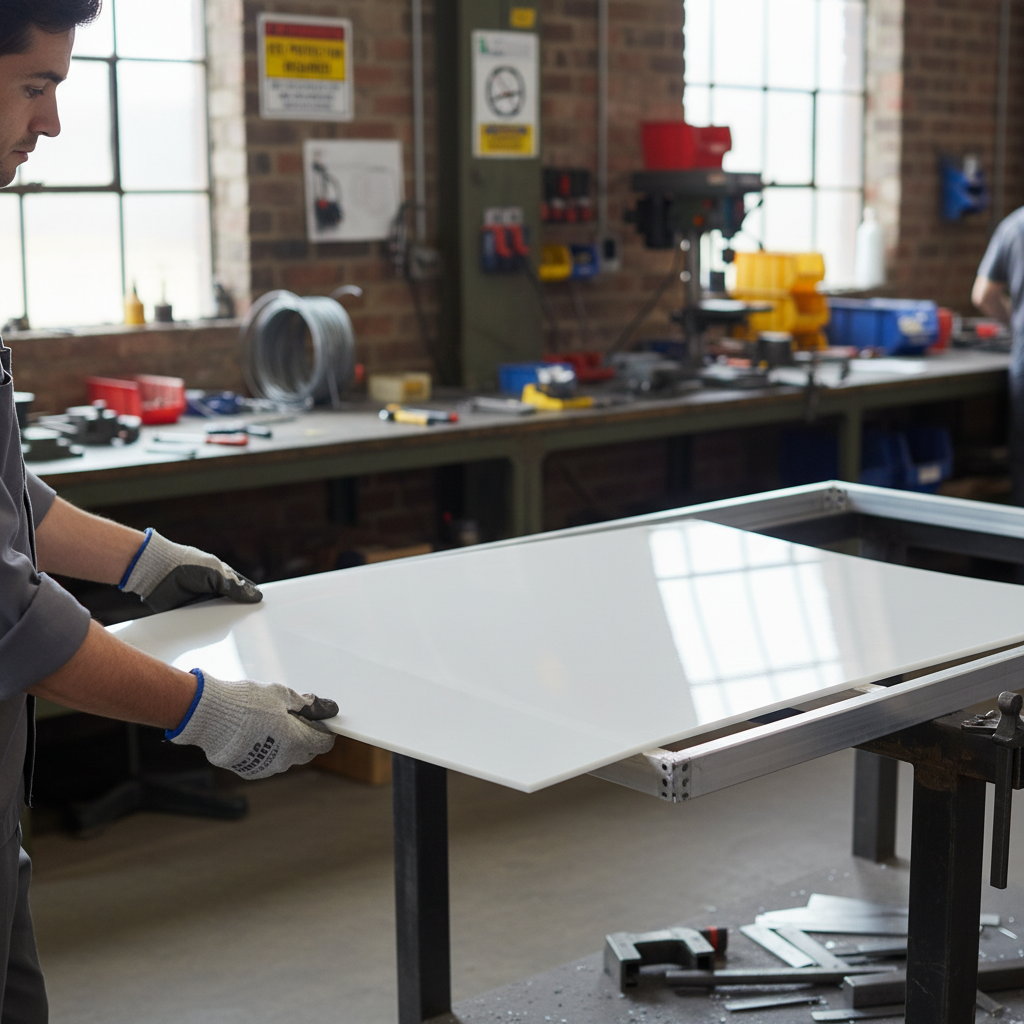
With excellent heat and chemical resistance, this PPC sheet is ideal for use in corrosive or high-temperature environments. Available in a range of thicknesses and sheet sizes, it can be easily machined, fabricated or welded to create custom components, tanks, linings and structural parts across a wide variety of sectors.
Product Features
- Available thicknesses from 1 mm to 15 mm for light-duty covers through to heavy-duty structural components.
- Standard sheet lengths of 2440 mm and 3000 mm to suit common fabrication and panel cutting requirements.
- Sheet widths of 1220 mm and 1500 mm, offering flexibility for larger panels or multiple parts per sheet.
- Natural (unpigmented) PPC material for easy visual inspection, welding and further processing.
- High strength and stiffness, suitable for structural and load-bearing applications in engineering environments.
- Excellent heat resistance, maintaining performance at elevated operating temperatures.
- Good chemical resistance to many acids, alkalis and industrial chemicals, ideal for corrosive process areas.
Key Features and Benefits
- High mechanical performance: Combines rigidity with impact resistance, enabling long-lasting components that withstand daily mechanical stresses.
- Reliable in harsh environments: Resists many chemicals and cleaning agents, helping reduce corrosion-related failures and downtime.
- Stable at elevated temperatures: Heat-resistant properties make it suitable for warm process areas and equipment housings without loss of dimensional stability.
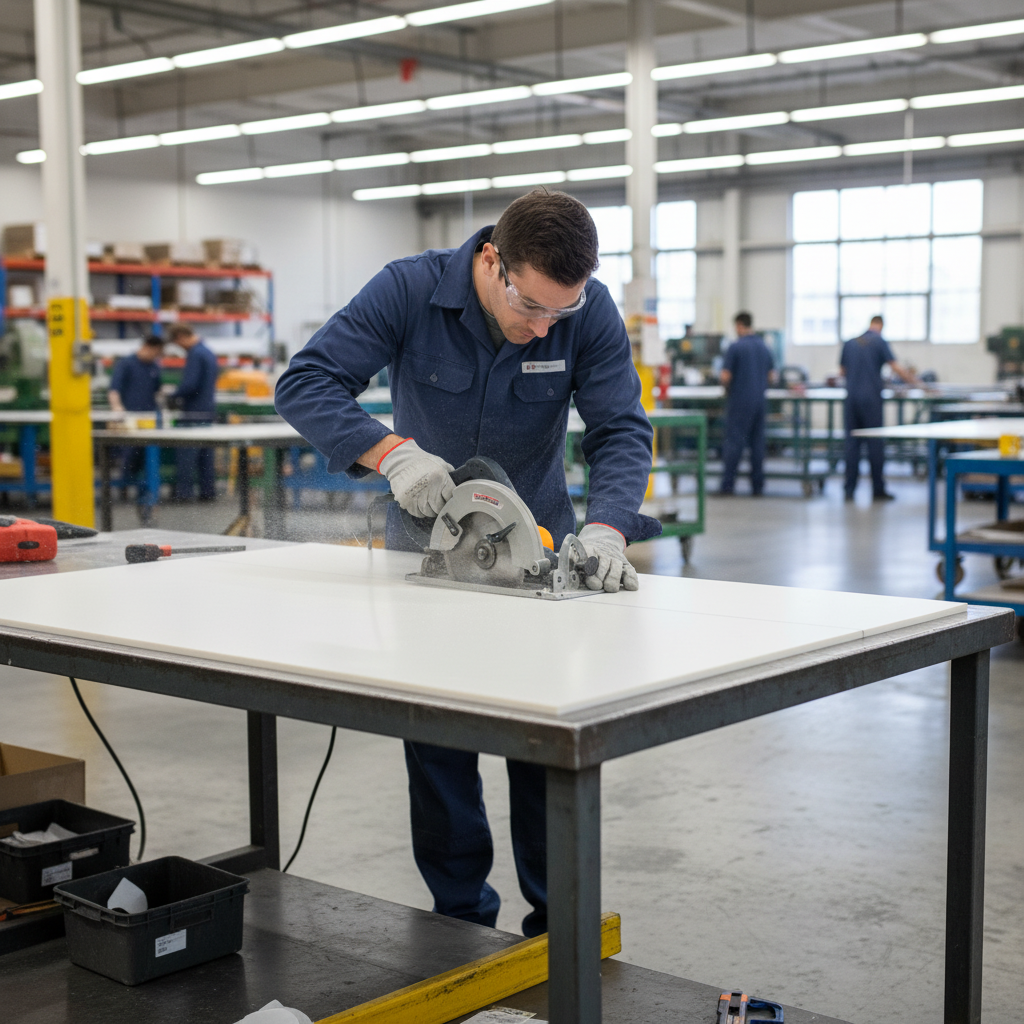
- Easy to machine and fabricate: Can be cut, drilled, milled, welded and formed using standard plastic fabrication techniques for efficient production of custom parts.
- Cost-effective metal replacement: Offers weight savings and corrosion resistance compared with many metals, often reducing maintenance and handling costs.
- Consistent extruded finish: Uniform sheet thickness and surface quality support accurate machining and reliable performance across multiple components.
Specifications
| Specification | Detail |
|---|---|
| Material | Extruded natural PPC (polypropylene copolymer engineering plastic) |
| Available thicknesses | 1, 1.5, 2, 3, 4.5, 6, 9, 15 mm |
| Sheet length options | 2440 mm or 3000 mm |
| Sheet width options | 1220 mm or 1500 mm |
| Colour/finish | Natural, extruded sheet with smooth surfaces suitable for machining and welding |
| Typical properties | High strength, heat resistance and chemical resistance for engineering applications |
Applications and Ideal Uses
This extruded natural PPC sheet is well suited to a wide range of engineering, fabrication and process-industry applications where durability, chemical resistance and ease of fabrication are required.
- Chemical process tanks, linings, ducts and fume extraction components.
- Machine guards, covers, enclosures and structural panels in industrial equipment.
- Fabricated pipework, manifolds and bespoke fluid-handling components.
- Laboratory work surfaces, splashbacks and protective cladding.
- Custom jigs, fixtures and wear-resistant parts in manufacturing environments.
Frequently Asked Questions
Can this natural PPC sheet be easily machined and fabricated?
Yes, the sheet is suitable for machining with standard equipment used for plastics, including sawing, drilling, milling and routing. It can also be welded and formed using appropriate techniques, making it ideal for custom fabrications and complex assemblies.
Is the PPC sheet resistant to common industrial chemicals?
The material offers good resistance to many acids, alkalis and salt solutions typically found in industrial and process environments. However, compatibility can vary with concentration and temperature, so it is advisable to check chemical resistance data or conduct small-scale trials for critical applications.
What thickness should I choose for my application?
The best thickness depends on the load, span and type of use. Thinner sheets (1–3 mm) are often used for covers, cladding and lightweight panels, while medium to thick sheets (4.5–15 mm) are better suited to structural panels, tanks and load-bearing components. If in doubt, consider the mechanical requirements and allow a safety margin when selecting thickness.