



Our Clients
Description
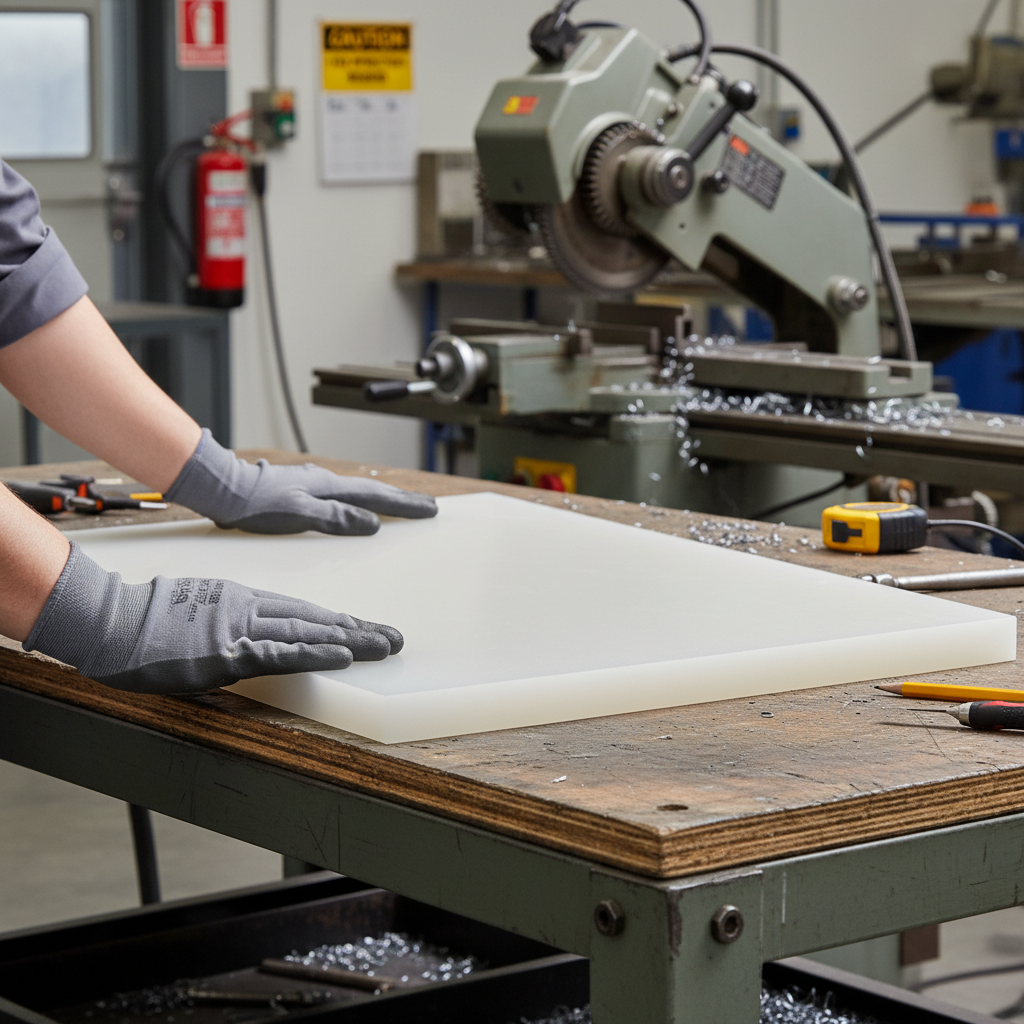
High-performance pressed and planed natural polyethylene sheet offers a robust, versatile engineering plastic solution for demanding industrial environments. Manufactured for consistent flatness and dimensional stability, these sheets are ideal where durability, easy machining and long service life are required.
With outstanding chemical resistance and excellent impact strength, this natural polyethylene sheet is widely used for wear parts, cutting surfaces, guards and linings in food processing, mechanical engineering, material handling and general fabrication applications.
Product Features
- Available in a wide range of thicknesses from 8 mm, 10 mm, 12 mm, 15 mm and 20 mm, plus additional intermediate sizes to suit varied design and load requirements.
- Standard sheet lengths of 1000 mm, 1500 mm, 2000 mm and 3000 mm for flexible cutting and optimised yield.
- Sheet widths of 1000 mm or 1250 mm to match common fabrication and cladding dimensions.
- Natural (unpigmented) polyethylene finish for easy inspection of wear, cleanliness and surface condition.
- Pressed and planed construction delivers a flat, smooth surface with tight thickness tolerance for reliable machining.
- Manufactured from high-grade polyethylene with excellent toughness and impact resistance for demanding service conditions.
- Good machinability using standard metal- and wood-working tools, enabling rapid custom components and profiles.
Key Features and Benefits
- Exceptional chemical resistance helps protect against a wide range of acids, alkalis and cleaning agents, reducing the risk of corrosion-related failures.
- High impact strength and toughness provide reliable performance in applications subject to shocks, abrasion and repeated contact.
- Low moisture absorption and good dimensional stability make the sheet suitable for humid, washdown and process environments.
- Planed, smooth surfaces reduce friction and wear, supporting efficient material flow in chutes, guides and conveyor components.
- Easy to cut, drill, mill and fabricate, helping to reduce production time and enabling cost-effective custom parts.
- Supplied in multiple thicknesses, lengths and widths so you can minimise offcuts and optimise material usage for each project.
Specifications
| Specification | Detail |
|---|---|
| Material | Natural polyethylene engineering plastic |
| Available thicknesses | 8, 10, 12, 15, 20 mm (plus additional intermediate thickness options) |
| Sheet lengths | 1000 mm, 1500 mm, 2000 mm, 3000 mm |
| Sheet widths | 1000 mm, 1250 mm |
| Surface finish | Pressed and planed, smooth flat surfaces on both faces |
| Key properties | High impact strength, excellent chemical resistance, low moisture absorption, good machinability |
Applications and Ideal Uses
This natural polyethylene sheet is suitable for a wide range of engineering, processing and fabrication tasks where durability, chemical resistance and impact performance are essential.
- Wear strips, guides, chain guides and conveyor components in material handling systems.
- Cutting boards, work surfaces and protective liners in food processing and packaging plants.
- Impact-resistant guards, covers and machine side panels in mechanical engineering.
- Chutes, hoppers and silo linings for bulk solids handling and storage.
- General fabricated parts, spacers, blocks and profiles for industrial maintenance and repair.
Frequently Asked Questions
Can the natural polyethylene sheet be machined with standard workshop tools?
Yes, the sheet can be cut, drilled, milled and turned using standard woodworking and metalworking tools with sharp cutters and appropriate feed rates. Its good machinability makes it suitable for producing custom components and profiles in-house.
Is this polyethylene sheet suitable for use in wet or washdown environments?
Yes, the material has low moisture absorption and excellent resistance to many cleaning agents, making it well suited to humid, wet and regular washdown conditions commonly found in processing and handling areas.
How do I choose the right sheet thickness for my application?
Select the thickness based on the mechanical load, span and impact expected in your application. Thinner sheets such as 8 mm or 10 mm may be suitable for light-duty liners or guards, while thicker options like 15 mm or 20 mm are better for heavily loaded wear parts or structural components. If in doubt, consult your design calculations or seek engineering guidance.