


Our Clients
Description
This high-performance PETP extruded natural sheet is a premium engineering plastic designed for demanding mechanical applications where tight tolerances and long-term stability are essential. Offering excellent dimensional stability and low moisture absorption, it is ideal for components that must retain their shape, strength and precision over time.
Available in a wide range of thicknesses and convenient sheet sizes, this natural PETP sheet is suitable for machining into wear parts, precision guides, gears, and structural components. Its balance of strength, stiffness and machinability makes it a popular choice in mechanical engineering, automotive, food processing equipment, and general industrial plant construction.
Product Features
- Extruded PETP (polyethylene terephthalate) engineering sheet in natural, unfilled grade for consistent performance.
- Multiple thickness options from 2 mm, 3 mm, 4 mm, 5 mm, 6 mm and many additional sizes to suit a wide range of component designs.
- Standard sheet lengths of 1000 mm, 2000 mm and 3000 mm to minimise waste during cutting and machining.
- Choice of sheet widths including 620 mm and 1000 mm for flexibility in panel layout and part nesting.
- Excellent dimensional stability with low thermal expansion, supporting tight machining tolerances.
- Low moisture absorption to help maintain mechanical properties and component accuracy in humid environments.
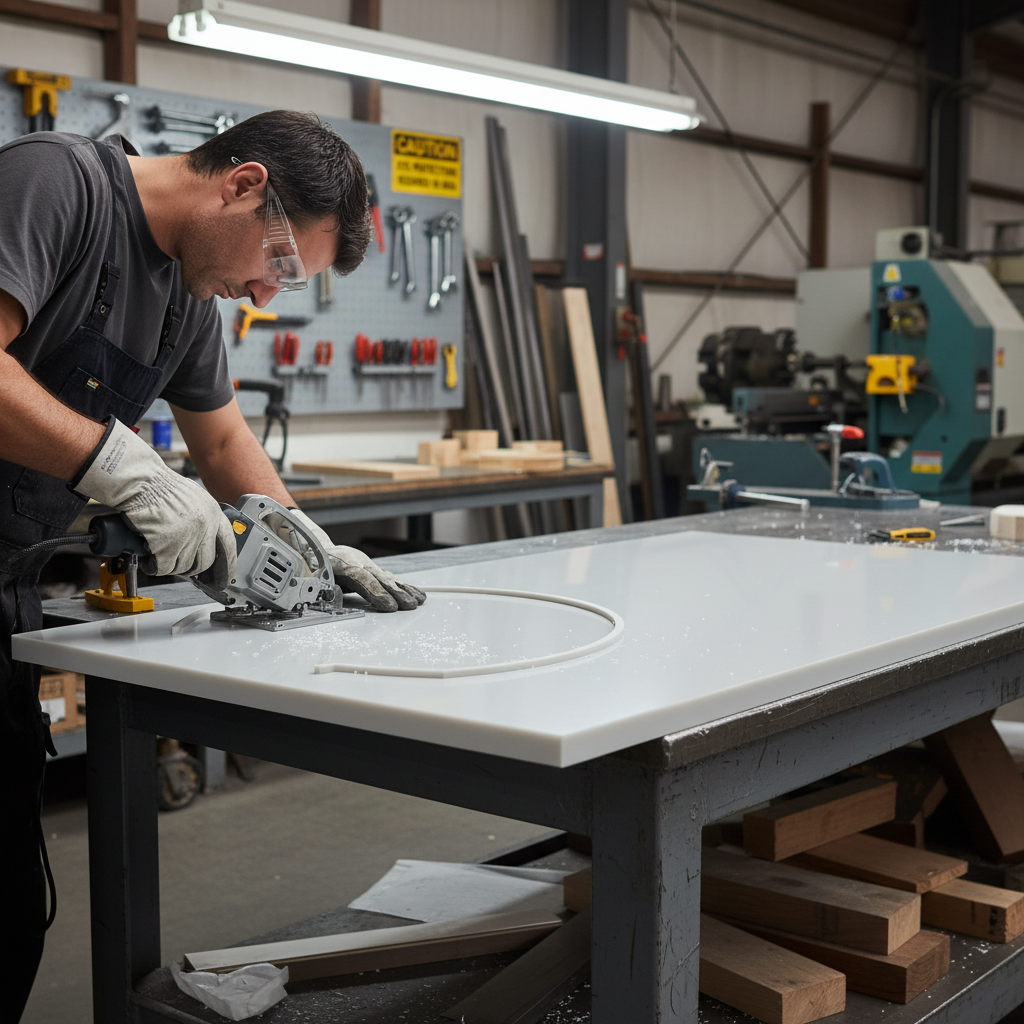
- Good machinability for turning, milling, drilling and sawing using standard metalworking equipment.
Key Features and Benefits
- Maintains accuracy under load: High stiffness and dimensional stability help machined parts stay true to size and shape in service.
- Resists swelling and distortion: Low water absorption reduces the risk of warping or dimensional change in damp or washdown environments.
- Reliable mechanical performance: Good wear resistance and strength make the sheet suitable for moving parts such as gears, slides and cams.
- Cost-effective fabrication: Clean cutting, low tool wear and good chip formation support efficient machining and reduced scrap.
- Versatile sheet formats: A broad mix of thicknesses, lengths and widths allows economical nesting and optimised yield for small and large components alike.
- Stable in service: Good resistance to many oils, greases and cleaning agents supports long service life in industrial equipment.
Specifications
| Specification | Detail |
|---|---|
| Material | Extruded PETP (polyethylene terephthalate), natural colour |
| Available thicknesses | 2, 3, 4, 5, 6 mm plus additional intermediate and higher thickness options |
| Sheet lengths | 1000 mm, 2000 mm, 3000 mm (nominal) |
| Sheet widths | 620 mm, 1000 mm (nominal) |
| Moisture absorption | Low, suitable for applications requiring dimensional stability in humid conditions |
| Typical applications | Wear strips, guide rails, gears, precision mechanical parts, structural plates |
Applications and Ideal Uses
This PETP extruded natural sheet is designed for precision-engineered components where reliable mechanical performance and tight tolerances are required in industrial environments.
- Machined gears, cams, rollers and sprockets in mechanical and automation equipment.
- Guide rails, wear strips and sliding elements in conveyors and handling systems.
- Precision fixtures, jigs, pads and spacers in machining and assembly operations.
- Structural panels and mounting plates in equipment frames and enclosures.
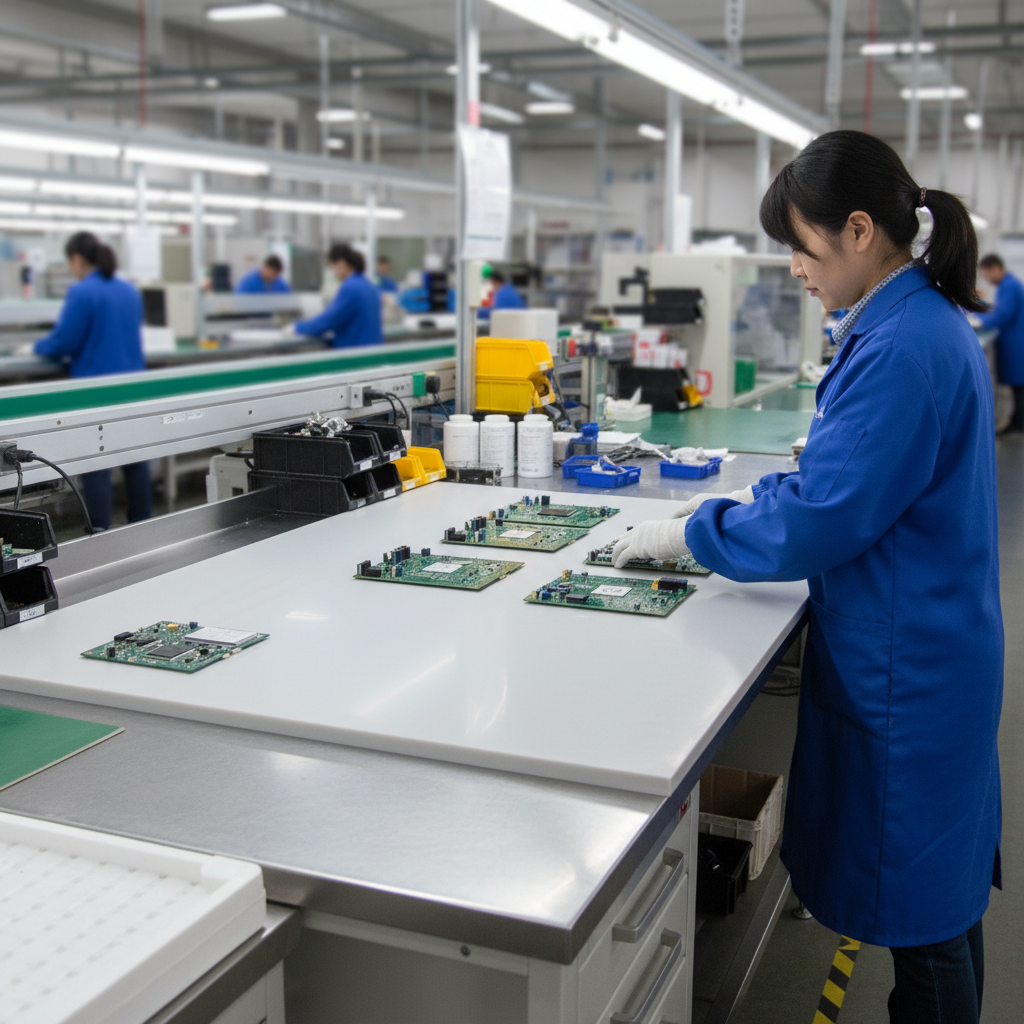
- Components in food processing and packaging machinery where stable, low-moisture plastics are preferred.
Frequently Asked Questions
Can this PETP sheet be machined using standard metalworking tools?
Yes, the sheet is designed for good machinability and can be processed using standard metalworking equipment such as saws, mills, drills and lathes. Sharp tools and appropriate cutting speeds are recommended to achieve a clean finish and maintain dimensional accuracy.
Is the natural PETP sheet suitable for use in humid or washdown environments?
Yes, one of the key advantages of PETP is its low moisture absorption. This helps to minimise swelling, warping and dimensional changes, making it suitable for applications exposed to humidity or regular cleaning, provided all other design and hygiene requirements are met.
How do I choose the right sheet thickness and size for my application?
Select the thickness based on the mechanical loading, stiffness requirements and available space in your design, then choose a sheet length and width that allow your parts to be nested efficiently with minimal waste. If in doubt, consider a slightly thicker sheet for higher rigidity and consult your machinist to confirm machinability for the chosen dimensions.