

Our Clients
Description
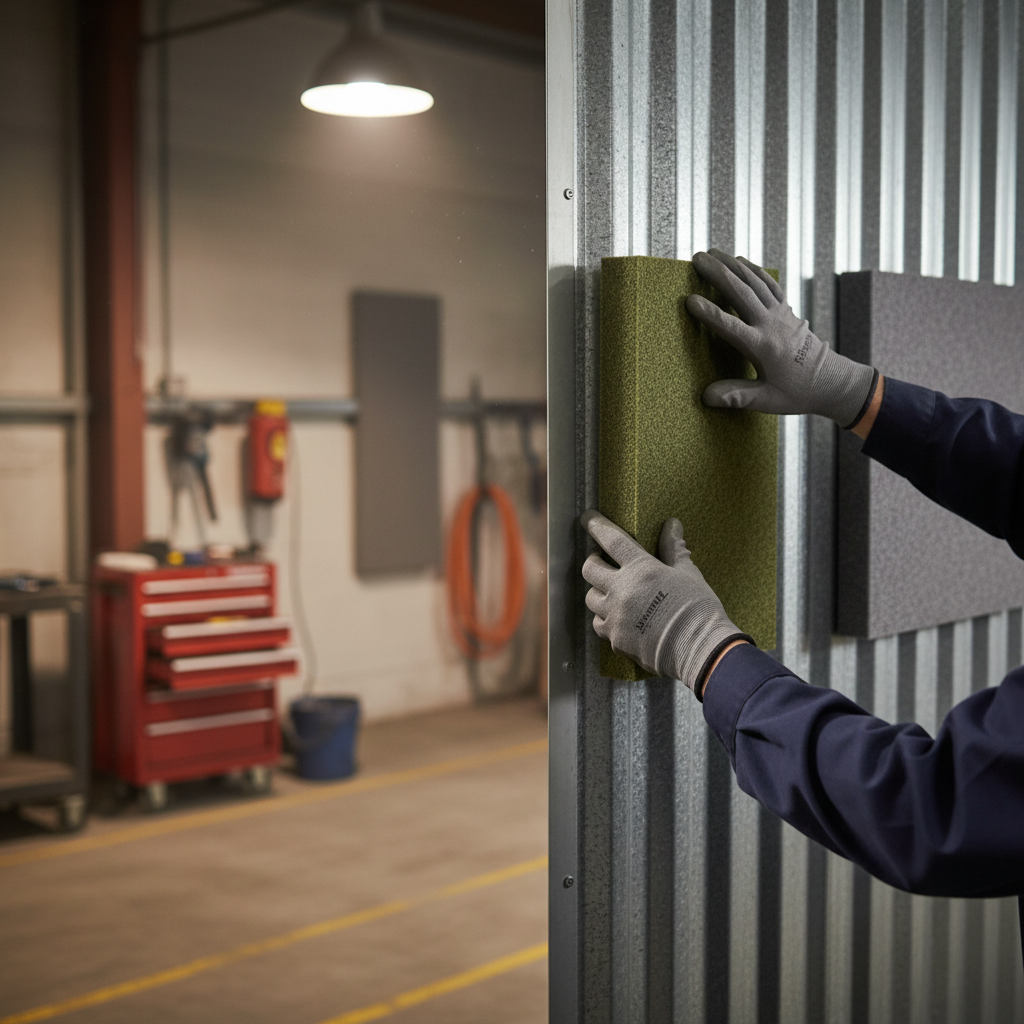
These high-performance PET felt acoustic panels in olive green are designed to improve sound absorption while enhancing the visual appeal of interior spaces. Manufactured from recycled polyester fibres, they offer a sustainable, low-maintenance solution for reducing reverberation and controlling noise in busy environments.
Ideal for offices, education settings, hospitality, retail and residential projects, the panels can be installed on walls or ceilings as functional acoustic cladding or decorative features. Their consistent 9 mm thickness and generous sheet size make them suitable for both small-scale upgrades and large architectural fit-outs.
Product Features
- Manufactured from PET felt with a smart olive green finish to complement contemporary interior schemes.
- Standard 9 mm thickness provides reliable acoustic performance while remaining easy to cut and handle.
- Large sheet size of 2440 mm length to cover substantial wall or ceiling areas with fewer joints.
- Sheet width of 1220 mm offers a practical format for panel layouts, feature walls and modular designs.
- Fire-retardant construction suitable for many commercial and public interior applications, subject to local requirements.
- Lightweight yet robust, allowing secure fixing to most common interior substrates.
- Homogeneous felt structure that can be cut to custom shapes and patterns for bespoke design work.
Key Features and Benefits
- Improves acoustic comfort by helping to absorb mid to high frequency sound, reducing echo and overall noise levels.
- Eco-conscious choice made from recycled PET, supporting sustainability targets and green building objectives.
- Easy to fabricate on site or in the workshop using standard cutting tools, enabling tailored designs and precise fit.
- Low-maintenance surface that can be cleaned with a soft brush or vacuum, helping to keep interiors looking fresh.
- Versatile installation possibilities, including direct bonding, mechanical fixing or use in framed systems.
- Decorative olive green colour delivers a soft, tactile aesthetic while performing as a functional acoustic panel.
Specifications
| Specification | Detail |
|---|---|
| Material | PET (polyethylene terephthalate) acoustic felt, predominantly from recycled fibres |
| Colour | Olive green |
| Thickness | 9 mm (nominal) |
| Sheet length | 2440 mm |
| Sheet width | 1220 mm |
| Fire performance | Fire-retardant PET felt suitable for interior architectural use (consult test data for classification) |
Applications and Ideal Uses
The PET felt acoustic panel is suitable for a wide range of interior fit-out and refurbishment projects where improved sound control and a contemporary aesthetic are required.
- Wall and ceiling acoustic treatment in open-plan and cellular office spaces.
- Feature panels and baffles in meeting rooms, conference facilities and collaboration areas.
- Sound-absorbing wall cladding in classrooms, lecture theatres and libraries.
- Decorative acoustic finishes in restaurants, cafés, hotels and reception areas.
- Residential media rooms, home offices and studios requiring improved acoustic comfort.
Frequently Asked Questions
Can these PET felt acoustic panels be cut to custom sizes and shapes?
Yes, the panels can be cut to size using common tools such as a sharp utility knife or fine-tooth saw. The homogeneous felt structure cuts cleanly, allowing you to create bespoke shapes, patterns and apertures to suit your design and installation requirements.
How are the panels typically fixed to walls or ceilings?
Installation methods depend on the substrate and design, but common options include direct bonding with suitable construction adhesive, mechanical fixing with screws and washers, or mounting within framing or batten systems. Always ensure the surface is clean, dry and sound, and follow the guidance of your chosen fixings and adhesives.
Are these panels suitable for use in fire-regulated commercial interiors?
The panels are manufactured from fire-retardant PET felt for interior applications; however, fire performance requirements vary by building type and location. You should consult the available fire test data against the relevant standards and confirm compliance with your project’s specific regulations and the advice of the responsible designer or fire consultant.