


Our Clients
Description
This high-performance pullwound carbon fibre tube is engineered for demanding structural applications where strength, stiffness and low weight are critical. Manufactured using a precision pullwinding process, it delivers consistent mechanical properties along its entire length, making it ideal for use in advanced assemblies and load-bearing frameworks.
Available in a wide range of diameters, wall thicknesses and lengths, this carbon fibre tube is widely used in robotics, automotive, aerospace prototyping, industrial machinery and performance sports equipment. Its excellent strength-to-weight ratio, dimensional stability and clean, professional appearance make it a versatile choice for both functional and aesthetic projects.
Product Features
- Pullwound carbon fibre construction for superior axial and hoop strength.
- Outside diameter options from 15 mm, 16 mm, 18 mm, 20 mm and 22 mm, plus additional sizes to suit precise design requirements.
- Multiple wall thicknesses available, including 1 mm, 1.5 mm, 2 mm, 2.5 mm and 3 mm for tailored stiffness and weight.
- Supplied in 2 x 2500 mm sections or a single 5000 mm length for flexible fabrication and minimal joins.
- Smooth, low-porosity surface suitable for bonding, machining and cosmetic finishing.
- Lightweight tubular profile ideal for arms, spars, frames and structural linkages.
- Compatible with standard cutting, drilling and bonding techniques for composite materials.
Key Features and Benefits
- Exceptional strength-to-weight ratio helps reduce overall system mass while maintaining high load capacity.
- High stiffness and dimensional stability improve positional accuracy in robotic arms and motion systems.
- Corrosion-resistant carbon composite construction offers long service life in harsh or outdoor environments.
- Wide choice of diameters and wall thicknesses allows precise optimisation for bending, torsion and buckling performance.
- Long standard lengths reduce the need for couplings and joints, improving structural integrity and simplifying assembly.
- Clean, professional appearance enhances the visual quality of exposed components and prototypes.
Specifications
| Specification | Detail |
|---|---|
| Material | Pullwound carbon fibre composite with high-strength reinforcing fibres in a polymer matrix |
| Outside diameter options (mm) | 15, 16, 18, 20, 22 mm plus additional diameters in the same series |
| Wall thickness options (mm) | 1, 1.5, 2, 2.5, 3 |
| Standard lengths (mm) | 2 x 2500 mm or 5000 mm |
| Form | Precision pullwound round tube with smooth outer surface |
| Typical applications | Robotics, automotive components, industrial frameworks, performance structures |
Applications and Ideal Uses
This pullwound carbon fibre tube is suitable for high-performance assemblies where low weight, rigidity and durability are essential, particularly in motion, support and structural systems.
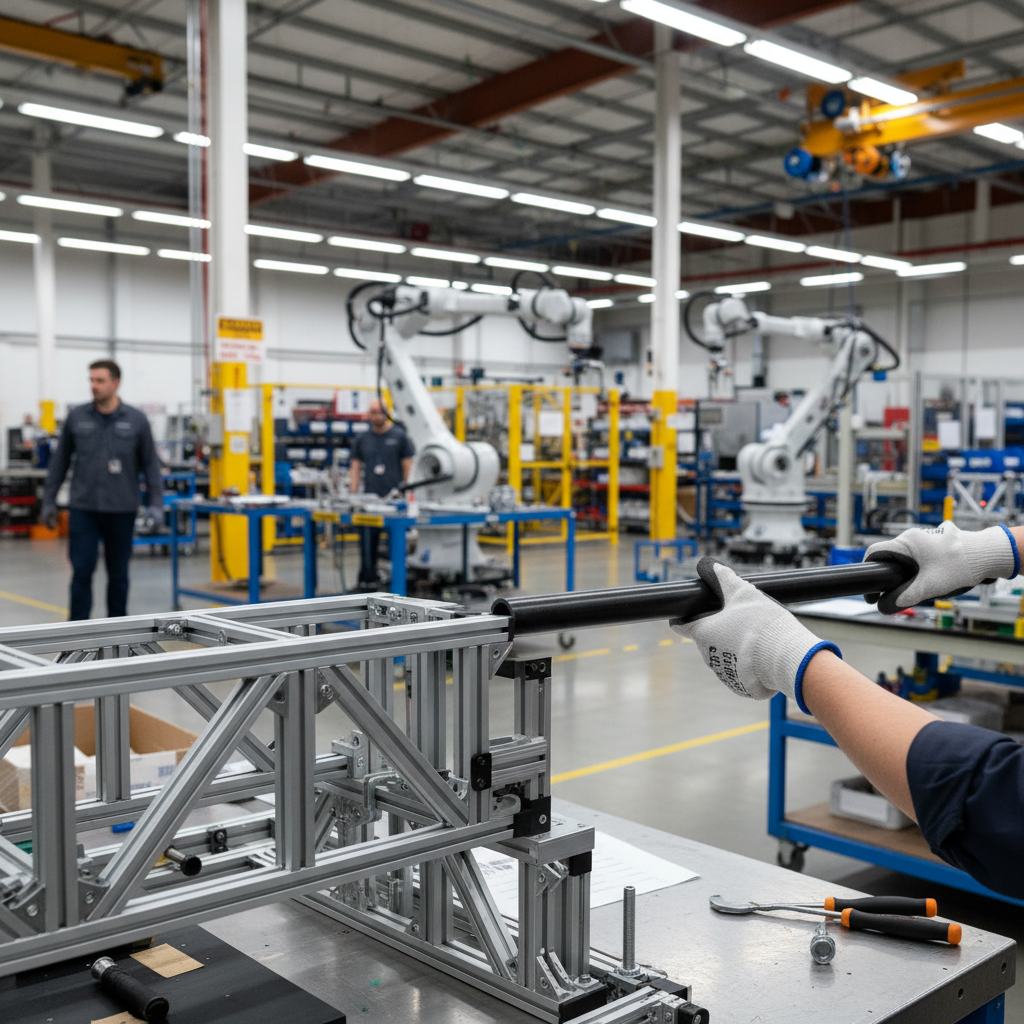
- Robotic arms, end-effectors, gantries and automation frameworks.
- Automotive structural members, control rods, roll-over and reinforcement elements.
- Lightweight jigs, fixtures and machine frames in industrial and manufacturing environments.
- Aerospace and UAV prototypes, booms, spars and structural linkages.
- High-performance sports and leisure equipment requiring strong, stiff tubing.
Frequently Asked Questions
Can this carbon fibre tube be cut and drilled with standard workshop tools?
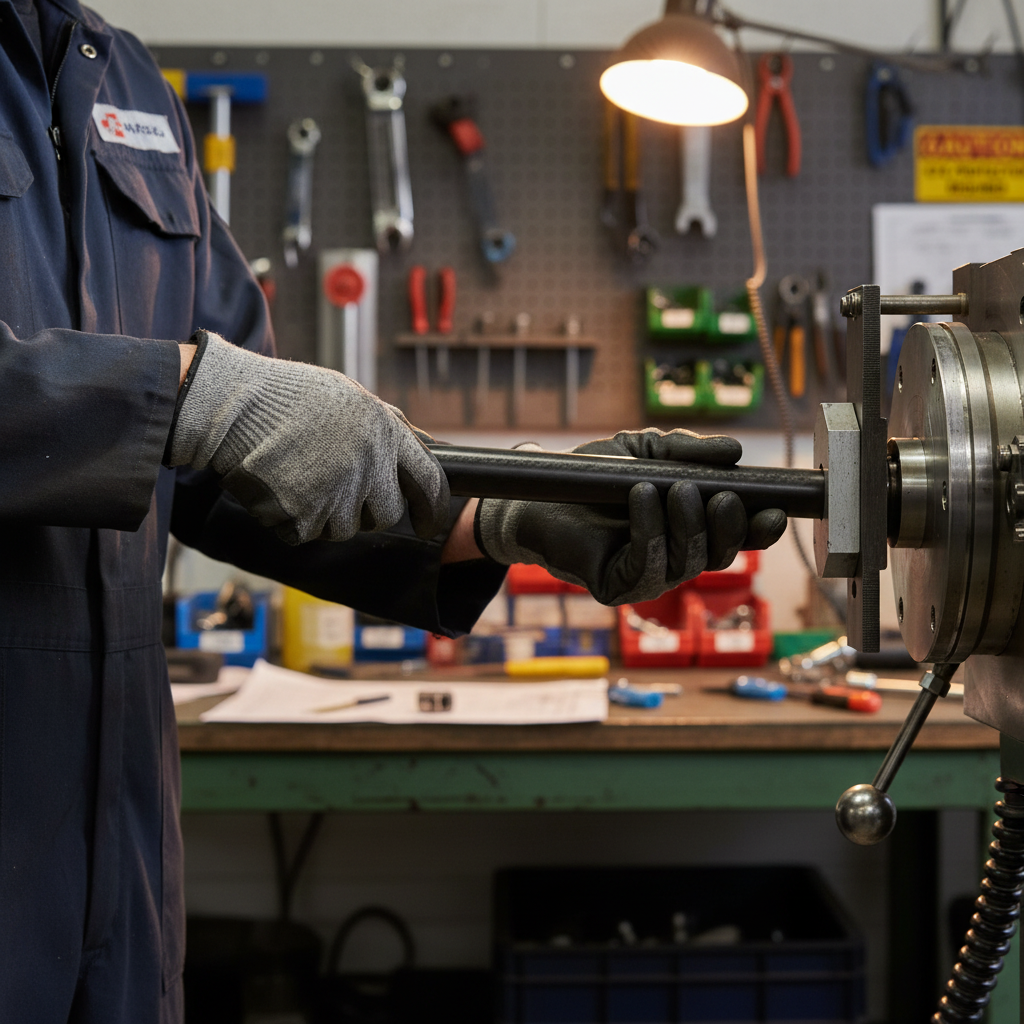
Yes, the tube can be cut and drilled using appropriate tools for composites, such as fine-tooth saws and sharp carbide or diamond-tipped drills. Dust extraction and personal protective equipment are recommended when machining to control carbon dust.
Is the tube suitable for outdoor or corrosive environments?
The carbon fibre composite is naturally corrosion-resistant and suitable for outdoor use. However, for highly aggressive chemical environments, it is advisable to confirm compatibility with the specific media and consider additional surface protection where necessary.
How do I select the correct diameter and wall thickness for my application?
Diameter and wall thickness should be chosen based on the expected loads, span lengths and stiffness requirements. Larger diameters and thicker walls increase rigidity and load capacity, while thinner walls and smaller diameters reduce weight. For critical designs, structural calculations or consultation with an engineer are recommended.